Vietnam Opens Khanh Hoa Visa-Free for Chinese Tour Groups
The policy, effective 12 October 2026, permits groups flying directly into Cam Ranh International Airport to visit the province until late 2027.
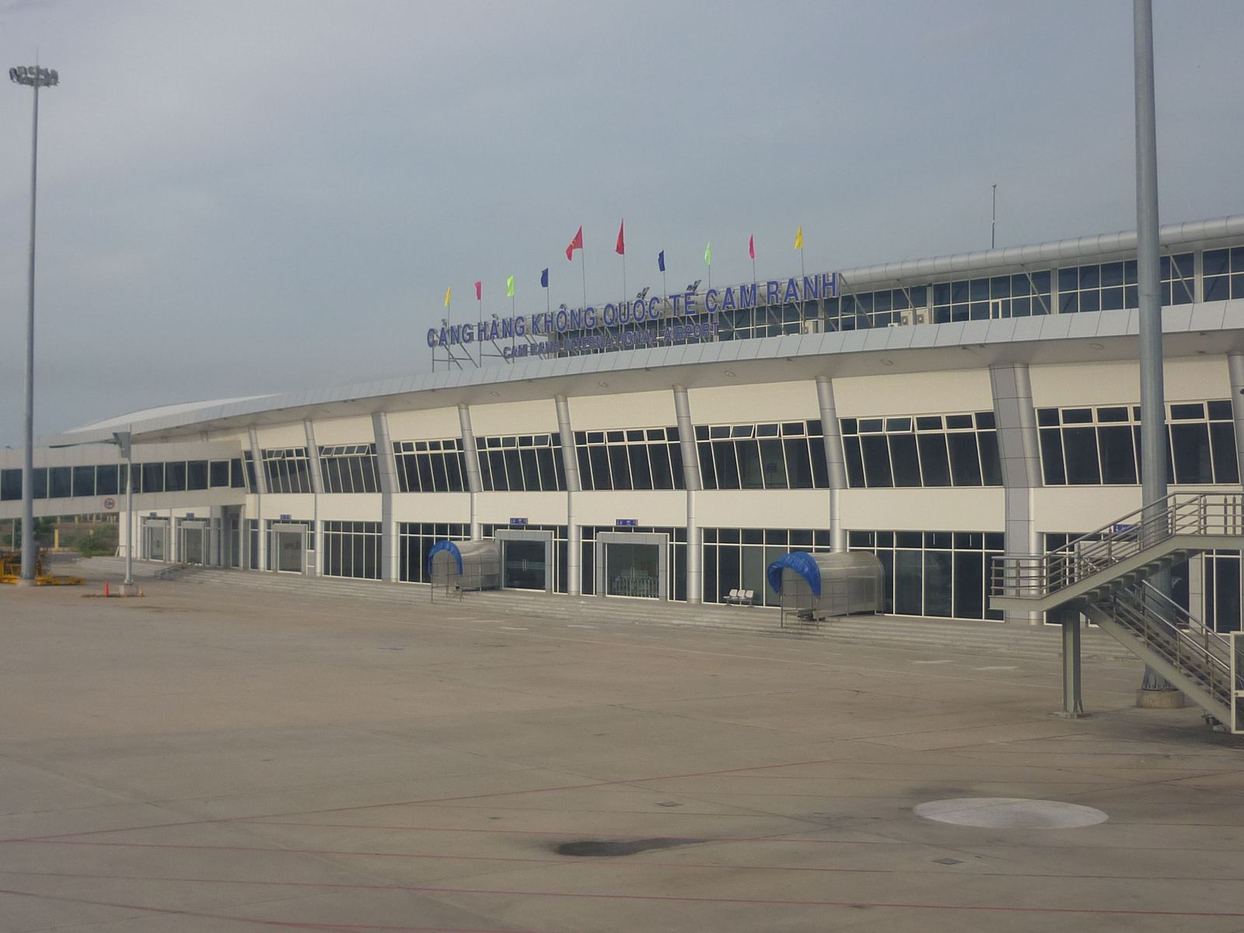
New Visa Exemption for Chinese Visitors
The Vietnamese government introduced a visa exemption for Chinese tour groups visiting Khanh Hoa Province, effective 12 October 2026. This policy allows groups of two or more Chinese nationals to enter visa-free until 31 December 2027, provided they arrive on direct flights into Cam Ranh International Airport.
Khanh Hoa, known for its beach city Nha Trang, is trialling this measure to attract more visitors from China, which accounted for 22.3% of all foreign arrivals to Vietnam in the first nine months of this year, totalling 3.95 million.
Industry Reaction and Regional Competition
Martin Koerner, commercial director for The Anam Group, which operates luxury resorts in Cam Ranh, described the initiative as “a positive step” to enhance Vietnam's standing in Asia's crucial outbound tourism market.
This move places Vietnam in closer competition with regional neighbours like Thailand, Malaysia, Singapore, and Cambodia, all of which already offer visa-free entry to Chinese tourists and have reported favourable outcomes.
For instance, China is currently the largest source of visitors for both Thailand and Singapore, while Chinese arrivals in Malaysia increased by 25% last year.
Local Impact and Strategic Rationale
The new visa policy is expected to stimulate more charter flights and organised tours to Khanh Hoa, particularly from Chinese cities with high demand for coastal holidays, according to Mr Koerner. The Anam Cam Ranh Resort itself recorded 4,050 room nights from Chinese guests in 2025, representing a 7.14% share of its business.
Dr Justin Matthew Pang, senior program manager for tourism and hospitality management at RMIT University Vietnam, characterised the government's decision as “bold and strategic,” viewing it as a test to understand the preferences of Chinese tourists, especially concerning mandatory tour packages.
Thai Thi Le Hang, director of the Khanh Hoa Department of Culture, Sports and Tourism, noted that China was a primary market for the province pre-pandemic, but its recovery has lagged behind South Korea and Russia. She stated the pilot program aims to remove procedural obstacles, enabling travel agencies in both nations to develop comprehensive tour offerings.
Future Expansion and Market Implications
Industry stakeholders are advocating for the visa exemption to be extended to other Vietnamese regions should the Khanh Hoa pilot prove successful. Mr Koerner specifically mentioned Da Nang and Lam Dong (home to Da Lat) as potential candidates for similar arrangements, which he believes would further strengthen Vietnam's appeal in the leisure tourism sector.
However, Dr Pang advised caution, suggesting that Vietnam should not “open the floodgates immediately” but rather conduct thorough research on the Khanh Hoa case study to ascertain both its attractive factors and any limitations before broader implementation.
This cautious approach could inform Vietnam's long-term strategy to capture a larger share of the competitive Asian outbound tourism market.
Get The Post.
The global travel stories that matter, three mornings a week. Free.


