WestJet, CUPE Flight Attendants Strike Grounds Canadian Carrier
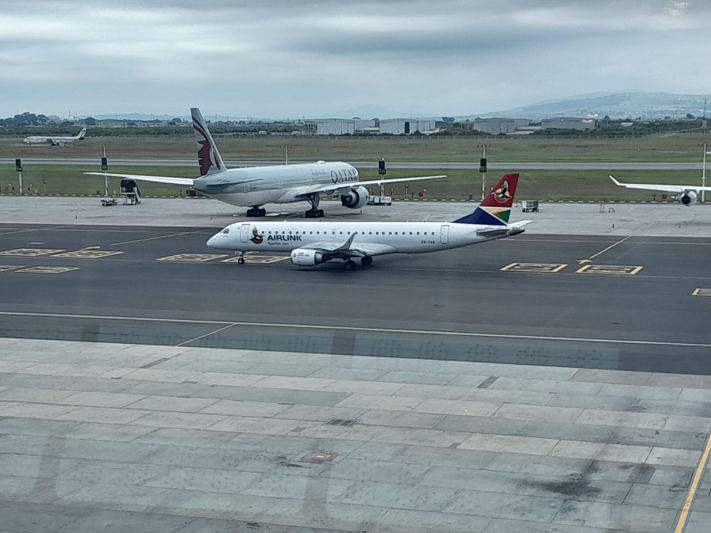
Canada's second-largest airline, WestJet, has grounded its entire fleet. Hundreds of flights are cancelled following a strike by its flight attendants. The industrial action, initiated by CUPE Local 8125, began on August 2, 2026. This dispute centres on remuneration for ground duties.
WestJet Fleet Grounded Amid Labour Dispute
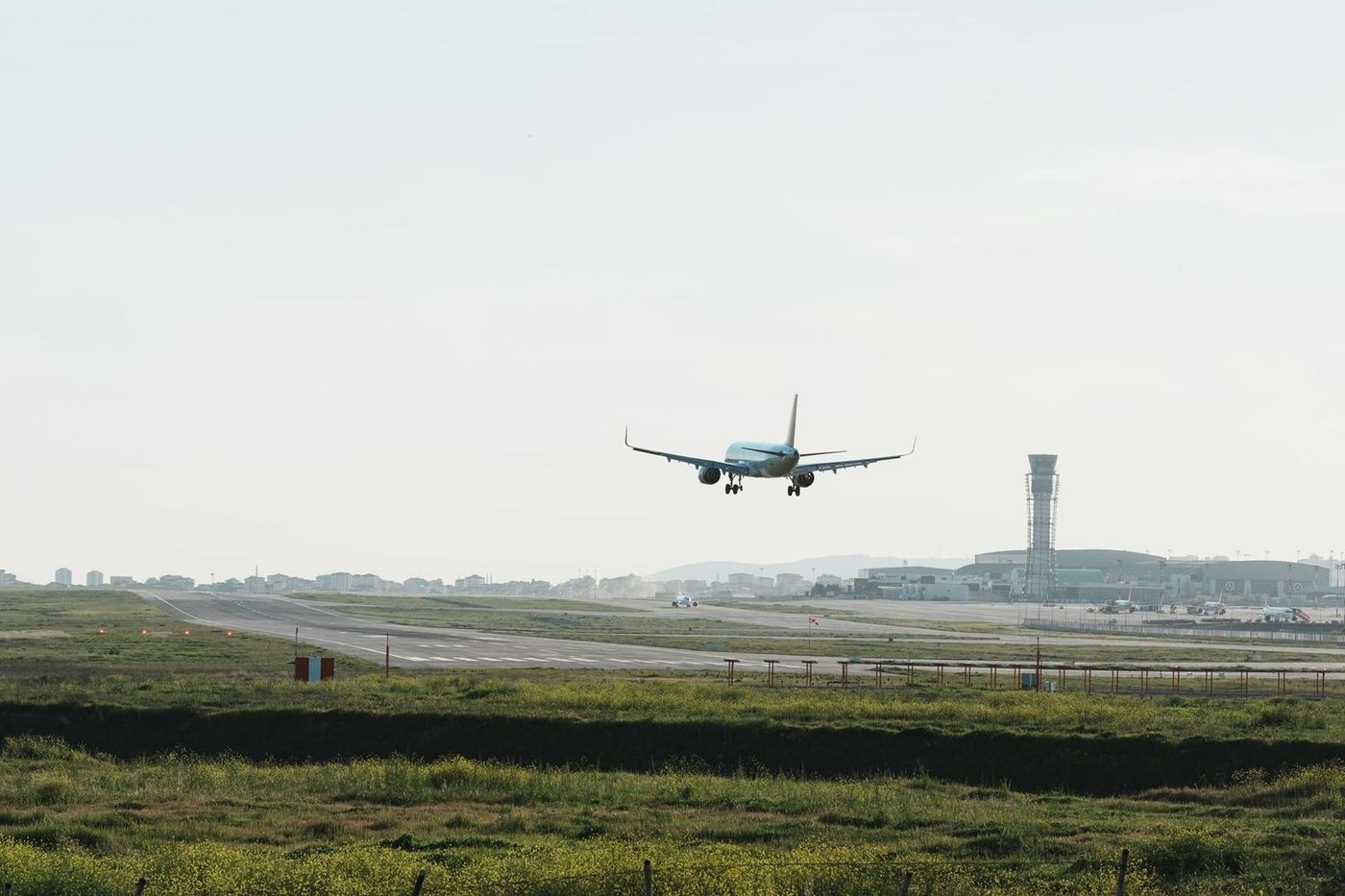
WestJet has ceased all flight operations. The Canadian carrier grounded its entire aircraft fleet, leading to hundreds of cancelled flights. Tens of thousands of passengers are affected by this industrial action. The strike commenced at midnight on August 2, 2026. It follows a 72-hour strike notice issued by the Canadian Union of Public Employees (CUPE) Local 8125.
This action stems from prolonged contract negotiations. WestJet also issued a lockout notice. This ensures flight attendants will not receive pay during the strike period.
Core of the Remuneration Conflict
The dispute's central issue is compensation for ground duties. Historically, WestJet flight attendants received pay only for 'block hours'. This period starts when the aircraft pushes back from the gate. It concludes upon arrival at the destination. Time spent waiting for delays, boarding passengers, or during ground delays remains unpaid.
CUPE began contract negotiations in September 2025. By April 2026, both parties reached an impasse. Federal conciliators intervened without success. CUPE seeks to abolish the block hours rule. The union demands payment for boarding and extended ground delays. CUPE 8125 President Alia Hussain stated WestJet's offer was insufficient.
WestJet's Proposal and Industry Precedent
WestJet claimed it offered a solution for additional pre- and post-flight compensation. This represented a double-digit increase. The airline's proposal included a 12% average increase in annual wages. It also outlined a 13% wage rise from October 2026. Subsequent 2.5% increases would follow in 2027, 2028, and 2029. The offer featured significant per diem increases for layovers.
Additional benefits included more vacation time and an improved maternity policy. A new flexible working programme and scheduling enhancements were also part of the package. The industry has seen shifts in this area. Delta Air Lines introduced boarding pay in 2022. Several other North American carriers, including American, United, and Alaska Airlines, have since followed. Air Canada flight attendants secured boarding pay last summer.
Public Support and Future Implications
CUPE Local 8125 reports strong support for the strike. Over 4,000 WestJet flight attendants voted overwhelmingly for industrial action. A 99.4% majority supported a walkout, with 97.3% member turnout. A union-commissioned poll of 1,500 Canadian adults showed 64% supported the flight attendants. Two-thirds of respondents believed WestJet could afford higher pay.
The Mark Carney government chose not to intervene before the strike. The Canadian government possesses powers to impose conditions and mandate a return to work. Travellers should anticipate continued WestJet flight cancellations. The duration of this disruption remains uncertain. This dispute highlights a growing industry trend.
Airlines are increasingly compensating cabin crew for ground duties. This development may influence future labour negotiations across the region.
Get The Post.
The global travel stories that matter, three mornings a week. Free.