Airbus A321neo Flight Tests 'Wing of Tomorrow' Folding Wings for Fuel Efficiency
Airbus commenced flight testing of extended wing designs on an A321neo. This 'Wing of Tomorrow' research aims to develop more fuel-efficient future single-aisle aircraft, using folding wingtip technology to maintain airport gate compatibility.
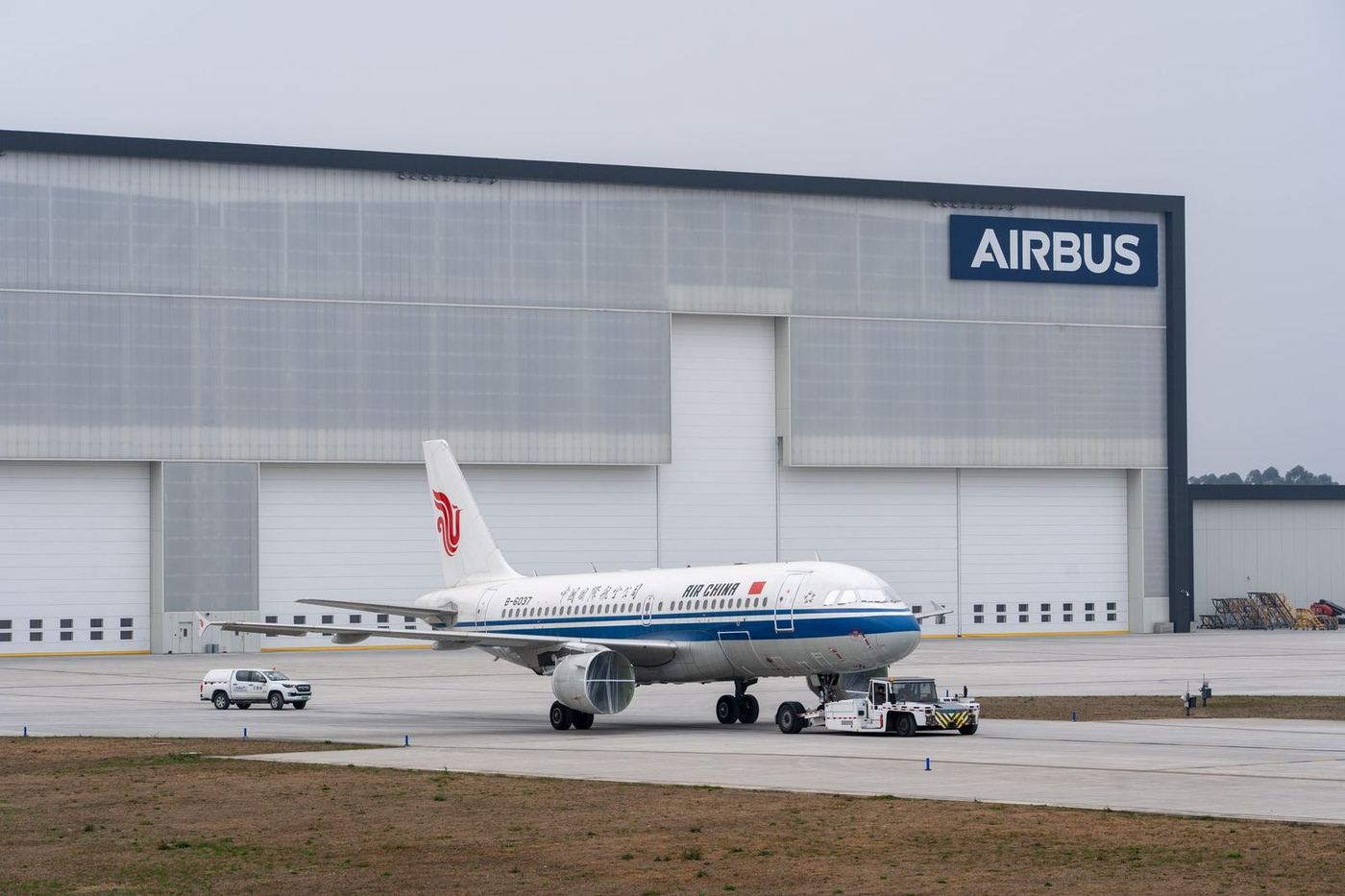
Airbus Advances Wing Technology for Future Jets
Airbus has commenced flight testing of extended wing designs on an A321neo aircraft. This critical phase forms part of its 'Wing of Tomorrow' research programme. The initiative aims to develop future single-aisle aircraft with significantly improved fuel efficiency. Longer wingspans are central to achieving this objective.
However, these longer wings require folding wingtip technology. This ensures the aircraft maintain compatibility with existing airport gates and taxiways. The company unveiled this flight-test campaign at the Farnborough International Airshow on 21 July 2026. Engineers are evaluating whether folding, high-aspect-ratio wings can define the aircraft replacing the A320neo family.
That next generation narrowbody is expected to enter service around 2038. Sue Partridge, Airbus' Head of Wing of Tomorrow, stated that the wing is a primary lever for enhancing flight efficiency.
Engineering Extended Wings and Airport Constraints
The test involves bolting oversized wing extensions onto the A321neo. These extensions add approximately 4.5 metres (15 feet) to each wing side. The current setup replicates a folding wingtip locked in its fully extended position. This allows engineers to measure real aerodynamic and structural behaviour.
Instrumentation within the extensions captures data on loads, flutter characteristics, and handling qualities. This information feeds into Airbus' digital models. Longer, slimmer wings, known as high aspect ratio wings, reduce induced drag. This directly translates to lower fuel consumption during cruise flight. However, most airports categorise gates and taxiways by wingspan.
A large portion of global single-aisle infrastructure adheres to a wingspan ceiling of about 36 metres (118 feet). This is the boundary for ICAO Code C category aircraft.
Addressing Design Challenges and Programme Scope
Airbus' current A321neo, equipped with sharklets, already spans approximately 35.8 metres. This leaves minimal room to simply extend the wing without disrupting airport operations. Folding wingtips offer a practical solution to this constraint. Boeing already employs this concept on its 777X widebody aircraft.
The outer wing panels fold upwards on the ground, then unfold for flight. Leeham News notes this marks the first time this folding wingtip concept will fly on a production single-aisle airframe. This presents a harder engineering challenge for Airbus. Narrowbody wings are thinner, lighter, and structurally tighter.
Integrating a folding mechanism without adding excessive weight remains a key hurdle. The 4.5-metre folding section is under close scrutiny.
Future Implications for Airbus and Airlines
This flight-test campaign focuses on validating the aerodynamic and structural performance of the extended wing. It does not yet validate the folding mechanism itself. Engineers will use this data before committing resources to hinge, actuation, and certification questions. The hardware for these extensions is built at Airbus' Wing Technology Development Centre in the UK.
Flight testing takes place from Toulouse, France. Aviation Week states the flight campaign is expected to run through roughly 2029. This provides Airbus with several years of real flight data. The A320neo family, particularly the A321neo, remains a critical commercial asset for Airbus. It underpins order books for carriers including Wizz Air, Delta Air Lines, and IndiGo.
A wing design that delivers significant fuel savings without impacting airline ground operations would prolong the profitability of Airbus' single-aisle programmes. This research is vital for shaping the economics and design of the next generation of narrowbody aircraft.
Get The Post.
The global travel stories that matter, three mornings a week. Free.