United's Lie-Flat Seats for Boeing MAX 10 Face Fit Issues
United Airlines holds hundreds of lie-flat business class seats in storage, originally purchased for its delayed Boeing 737 MAX 10 fleet. The aircraft, now nearing certification, may require significant structural modifications to accommodate these premium seats, potentially complicating United's cabin plans.
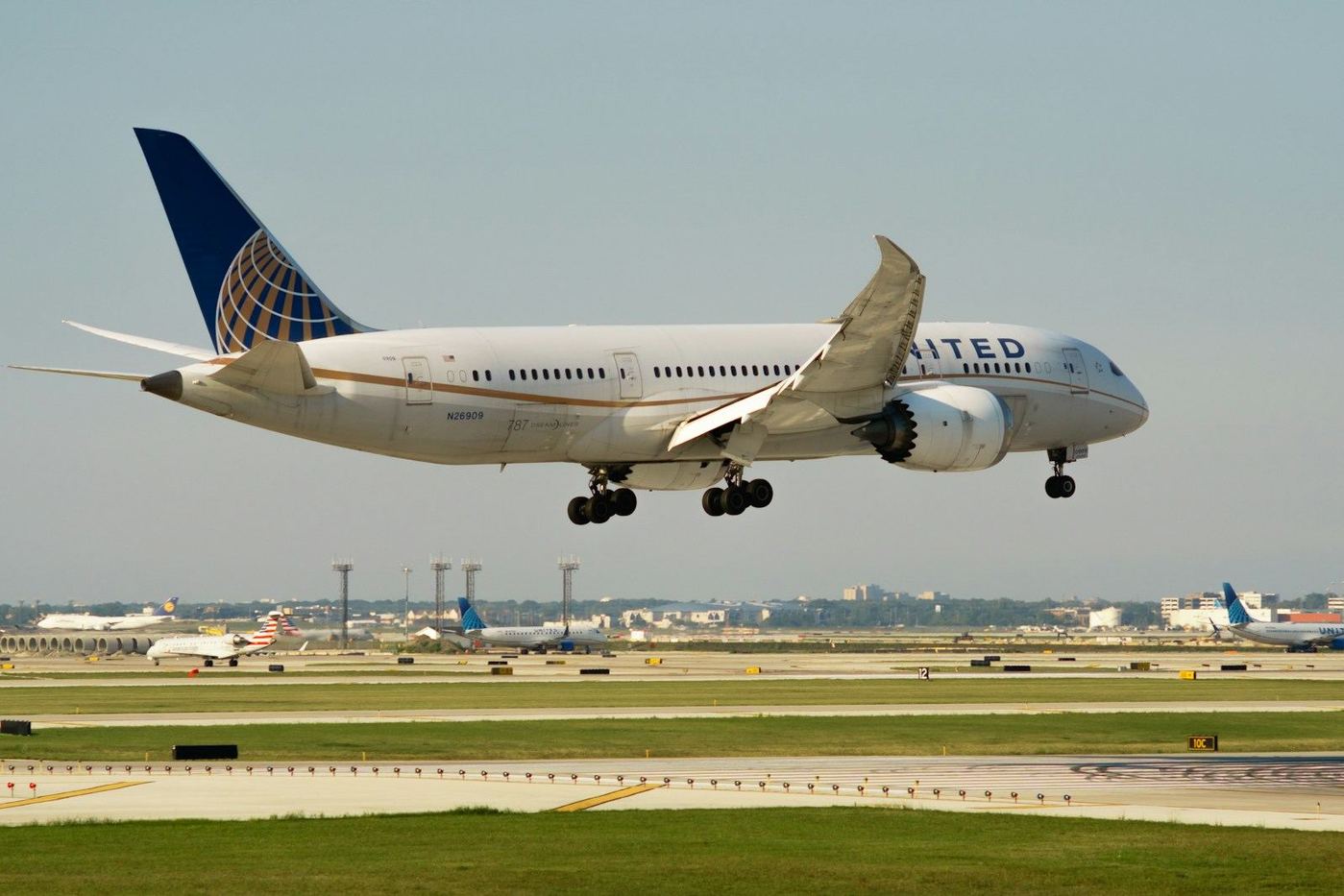
United Confronts Seat Storage Challenge
United Airlines is currently storing hundreds of lie-flat business class seats, which were acquired for its Boeing 737 MAX 10 aircraft. The MAX 10 programme has faced extensive delays, with its entry into service now six years behind initial projections from 2020.
A new challenge has emerged: the seats, identified by AirInsight as Elevate Altitude models adapted from United's Airbus narrowbody product, may not be compatible with the MAX 10 without substantial structural alterations.
United CEO Scott Kirby recently informed CNBC that the airline possesses "a bunch of lie-flat seats" for which it currently lacks suitable aircraft, as they do not fit other models in its fleet.
This predicament arises as the MAX 10, the longest variant of the 737, reportedly utilises lightweight materials in its construction, which could affect its capacity to support the heavy, complex lie-flat seats.
Premium Cabin Ambitions and MAX 10 Delays
United became the launch customer for the Boeing 737 MAX 10 in 2017, converting 100 smaller MAX aircraft orders, with deliveries initially anticipated in 2020. By 2018, then-United President Scott Kirby had publicly discussed testing lie-flat seats for a portion of these jets.
The airline's strategy involved replacing premium Boeing 757s on key transcontinental routes, such as Newark to Los Angeles and San Francisco, and extending lie-flat service to markets like San Francisco to Washington Dulles. This plan evolved into a dedicated subfleet, with up to 50 MAX 10s potentially receiving 22 direct-aisle-access lie-flat seats in a 1-1 configuration.
Patent drawings from 2023 showed a densely arranged herringbone design, enabling direct aisle access within the 737 fuselage by sharing space between adjacent passengers.
Strategic Shifts and Technical Hurdles
As the MAX 10's certification repeatedly postponed, United adjusted its fleet strategy. The airline converted several MAX 10 orders to MAX 9s and shifted its premium transcontinental focus to the Airbus A321neo.
United's new "Coastliner" fleet, comprising 40 A321neos expected to be operational by early 2028, will feature 20 Polaris suites, 12 Premium Plus seats, and 129 economy seats.
CEO Kirby confirmed that the stored lie-flat seats are not compatible with these Airbus aircraft due to differences in seat tracks, attachment geometry, cabin curvature, electrical systems, and certification requirements.
AirInsight further reports a more fundamental issue: the MAX 10's floor beams might not adequately support the weight and mounting loads of United's intended premium cabin. The MAX 10 also lacks the range for transatlantic missions planned for United’s A321XLRs.
Certification Progress and Installation Challenges
The Boeing 737 MAX 10 completed its final planned certification flight on July 28, 2026, after 976 flights and over 2,060 flight hours. The Federal Aviation Administration (FAA) certified the smaller MAX 7 on August 3, 2026, incorporating changes relevant to the MAX 10. Boeing anticipates MAX 10 certification this year, with deliveries commencing in 2027.
United retains 167 MAX 10s on firm order, expecting approximately 20 in 2027, primarily with standard domestic interiors. Although the lie-flat seats themselves have FAA approval, Enilria reports their specific installation on the MAX 10 may require further approval.
The FAA's rigorous approach to MAX certification, following the aircraft's grounding and recent incidents, prioritises ensuring the installed configuration meets safety standards. Potential solutions, including revised fittings, floor reinforcement, or seat relocation, would necessitate new engineering, testing, and regulatory approval, adding significant cost and complexity.
Outlook for United's Premium Cabin Strategy
The challenge of installing these lie-flat seats on the Boeing 737 MAX 10 presents United Airlines with a strategic dilemma. Should extensive and costly modifications be required for the MAX 10, United may decide against proceeding with the premium cabin configuration originally planned for up to 50 of these aircraft.
This would mean a significant investment in seats remains tied up without immediate deployment. For travellers, this suggests that the expansion of United's direct-aisle-access lie-flat service on domestic routes, particularly those beyond the Airbus A321neo "Coastliner" network, could be curtailed or delayed.
While Enilria suggested Hawaii routes as a limited possibility for these seats, the core issue of structural compatibility and associated costs will determine the viability of such deployments.
The industry will watch for United's decision on whether to absorb additional engineering and certification expenses or re-evaluate the use of these premium seats, potentially impacting future narrowbody cabin strategies.
Get The Post.
The global travel stories that matter, three mornings a week. Free.