Alaska Airlines Crew Dispute: Flight Attendants Challenge 787 Staffing
Alaska Airlines faces a formal grievance from its flight attendants' union over staffing levels on new Boeing 787 long-haul flights. The union alleges the carrier added Main Cabin services without increasing crew.
Staffing Dispute on International Routes
Alaska Airlines faces a formal grievance from its flight attendants regarding staffing levels on new Boeing 787 long-haul services. The Association of Flight Attendants (AFA-CWA) lodged the complaint last week. The union alleges management introduced additional Main Cabin services without increasing crew numbers.
This occurred without re-testing the service flow, contravening a prior agreement. These added elements include premium-class offerings, expanded beverage choices, and alcohol for purchase. Warm cookies and ice cream were also added. The union claims this agreement required mutual consent for inflight service changes.
This dispute affects the airline's expanding international network. New routes from Seattle to destinations such as London, Rome, Tokyo, and Seoul are impacted. Flight attendants report feeling unsustainable pressure due to these changes.
Expansion and Service Model Development
The conflict arises as Alaska Airlines expands its international presence. The carrier acquired Hawaiian Airlines, integrating its Boeing 787 Dreamliner fleet. These aircraft are now based at Seattle-Tacoma International Airport. They operate under Alaska Airlines' new 'Global' livery. The airline utilises former Hawaiian Airlines flight attendants for these services.
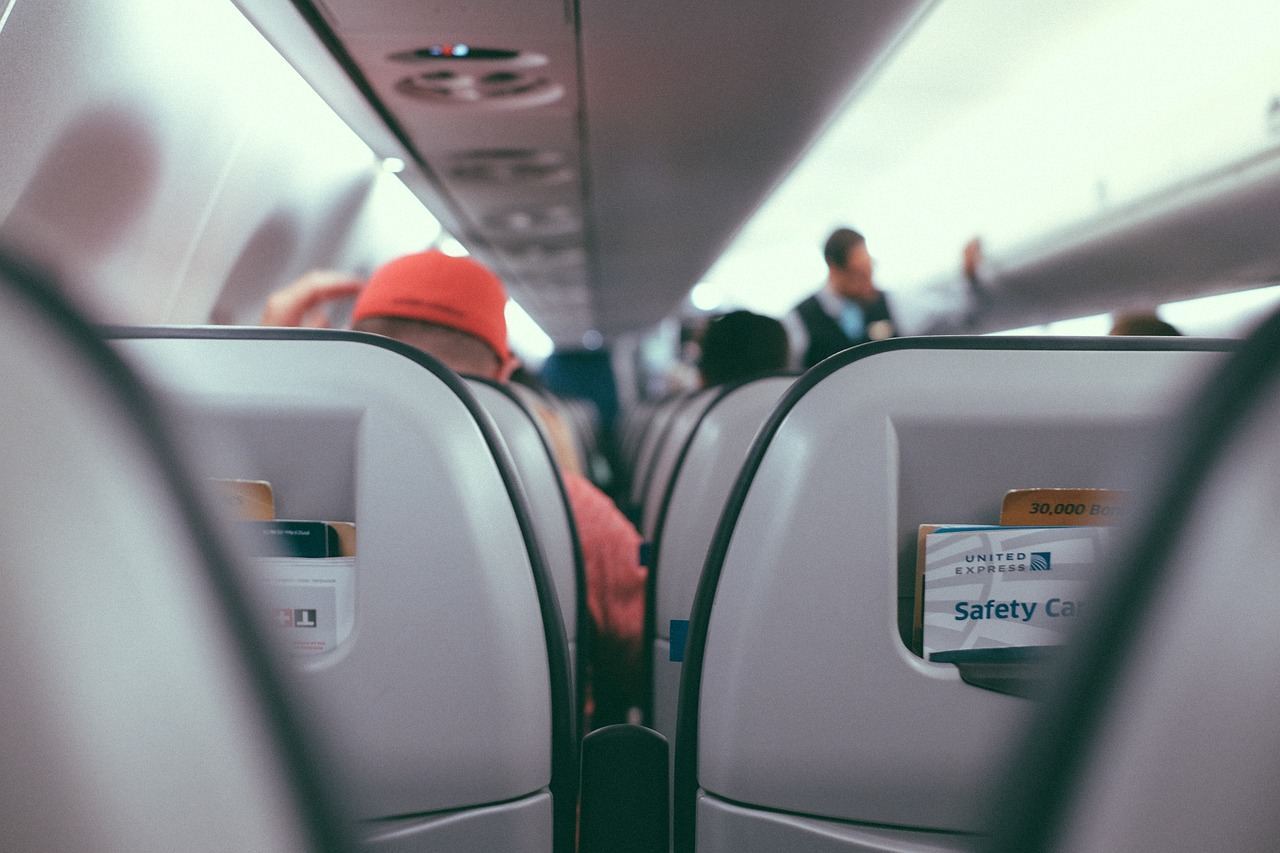
These crew members were already trained for Boeing 787 operations. However, Alaska Airlines developed its own long-haul service routines, marking its first venture into this market segment. The adopted service model involves a "train service" flow. Flight attendants work through the cabin with beverage and meal carts from front to back. The union initially approved this routine, but only on the condition that no extra service elements would be added.
Union Concerns Versus Management Response
Initial testing saw the union approve the service routine. This approval came with the clear understanding that no additional service elements would be introduced. However, Alaska Airlines later added several new products to the Main Cabin. These included premium-class offerings, expanded beverage options, and alcohol for purchase.
Warm cookies and ice cream were also introduced. These additions occurred without further testing opportunities. An observation period for the first Rome flights began in April, concluding on 28 May. Flight attendants provided feedback on service flow improvements. The Association of Flight Attendants reports no changes were implemented.
Management's consistent directive to crew members has been "Make it work." The union's internal memo criticised this stance. It states management reacts swiftly to passenger feedback, showing changes are possible.
Ultimatum and Future Implications
The Association of Flight Attendants has issued a clear ultimatum. Alaska Airlines must either increase staffing levels on long-haul services or simplify the Main Cabin service routine. The union asserts that management must provide adequate staffing to meet its service goals.
Alternatively, it should collaborate with the Inflight Service Committee to set realistic standards that reflect available crew. The AFA-CWA states it will not accept a situation where flight attendants are "set up for failure." The union also cites a breach of contract, which mandates mutual agreement on inflight service requirements.
This formal grievance, filed last week, challenges the airline's refusal to engage with its committee on Main Cabin service changes. This dispute could affect Alaska Airlines' ambitious expansion plans. The carrier aims to fly to 12 long-haul international destinations from Seattle within the next four years. This strategy positions Seattle-Tacoma as its global hub.
Get The Post.
The global travel stories that matter, three mornings a week. Free.