Amadeus Predicts Pet Travel Market to Hit US$3 Billion
A new Amadeus study projects the global pet travel market will reach US$3 billion by 2030, driven by changing lifestyles and new pet-friendly hospitality in Asia.
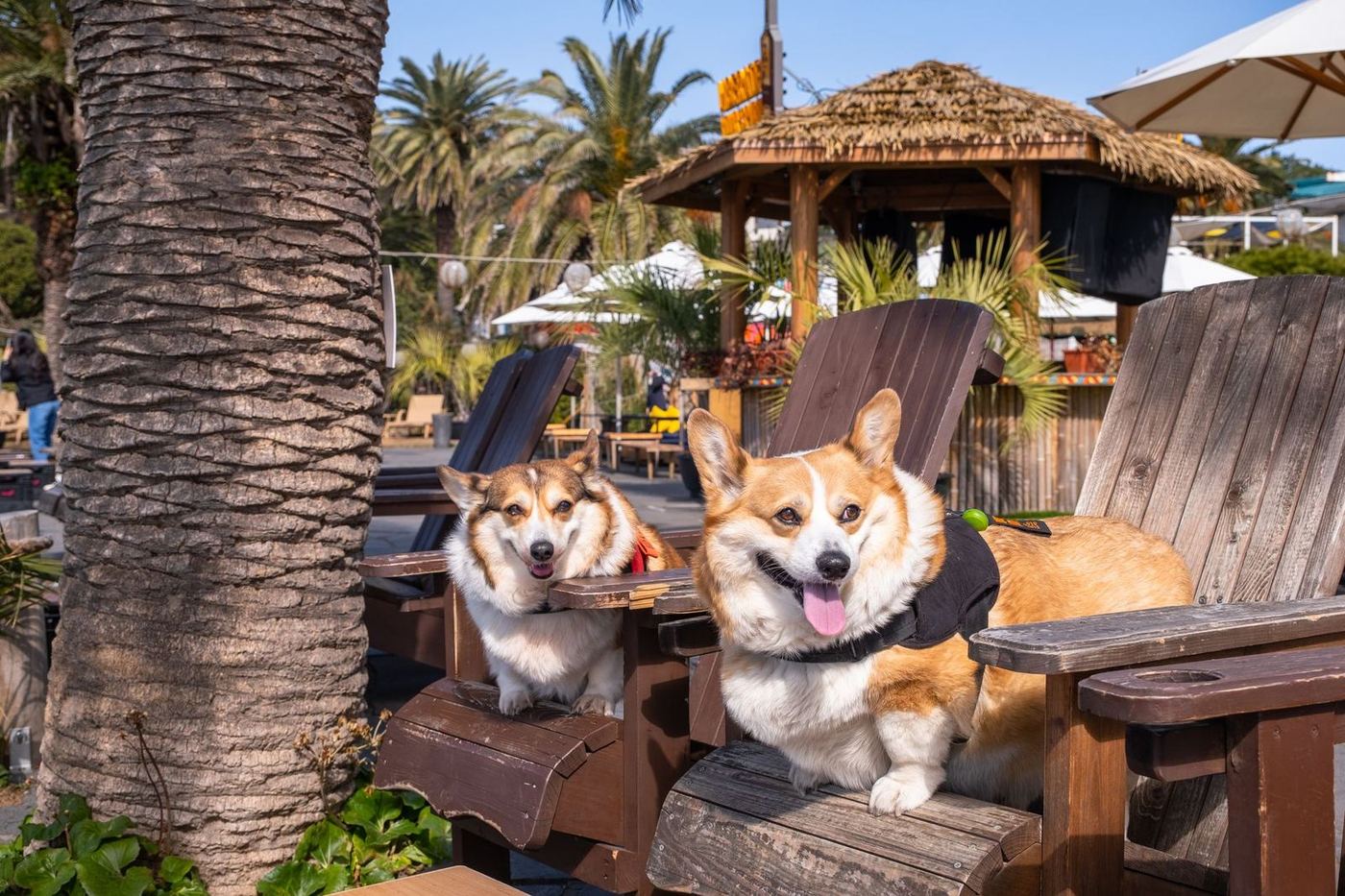
Global Pet Travel Market Set for Significant Growth
The global pet industry is projected to expand significantly, reaching US$500 billion by 2030, according to a recent Amadeus study that references Bloomberg data. Within this broader market, pet travel is anticipated to account for US$2 billion to US$3 billion.
Fred Barou, senior vice president for customer success management, Asia Pacific at Amadeus, described this projected growth as "amazing". Amadeus has identified this burgeoning segment as the "pawprint economy", indicating a mainstream shift towards including pets in holiday plans. This expansion presents a notable opportunity for travel and tourism operators worldwide.
Shifting Lifestyles Drive New Demand
The increasing popularity of pet travel stems from a combination of lifestyle and generational shifts, Barou noted. An Amadeus survey revealed that between 40 and 47 per cent of respondents were both first-time pet owners and first-time pet travellers.
This trend is further supported by evolving legislation, which has simplified the process of travelling with pets, alongside advancements in travel technology. These technological improvements have made searching and booking pet-friendly accommodation and travel services more efficient, removing previous barriers for pet owners planning trips.
Asian Hospitality Embraces Pet-Friendly Offerings
Travel and tourism operators in Asia are increasingly catering to this new customer segment. The Kimpton brand, for example, has made pet hospitality central to its guest experience. At Kimpton Margot Sydney in Australia, pets receive plush beds, bowls, treats, and a concierge guide to local amenities, with dedicated in-room dining menus and access to selected hotel bars.
Similarly, Kimpton Maa-Lai Bangkok in Thailand curates spaces and activities for travelling pets, hosting informal gatherings that also engage local pet communities, as observed by Patrick Both, general manager.
Other notable Asian properties include Hyatt Regency Hakone Resort & Spa in Japan, offering six dog-friendly rooms with enclosed balconies and nutritionist-approved canine dishes.
Capella Singapore, Conrad Singapore Orchard, and Amara Sanctuary Singapore also welcome feline guests, with Christian Westbeld, regional general manager for Capella Singapore, noting that this helps integrate pet stays into the overall guest journey.
Addressing Transparency for Future Growth
Despite the growing interest, the Amadeus study highlights that some pet owners remain uncertain about the requirements for pet travel. A primary obstacle is the lack of consistent and transparent information, particularly for complex itineraries involving tours, cruises, or multiple hotel stays.
Fred Barou advises travel and tourism operators to collaborate more effectively to provide accurate and readily accessible information about the entire pet travel process.
For Asian operators, this means a concerted effort to standardise pet travel policies and clearly communicate services, enabling them to fully capitalise on this rapidly expanding market segment and meet the specific needs of domestic and international pet-owning travellers.
Get The Post.
The global travel stories that matter, three mornings a week. Free.