Boeing Faces Renewed 737 MAX Litigation After Norwegian Settlement
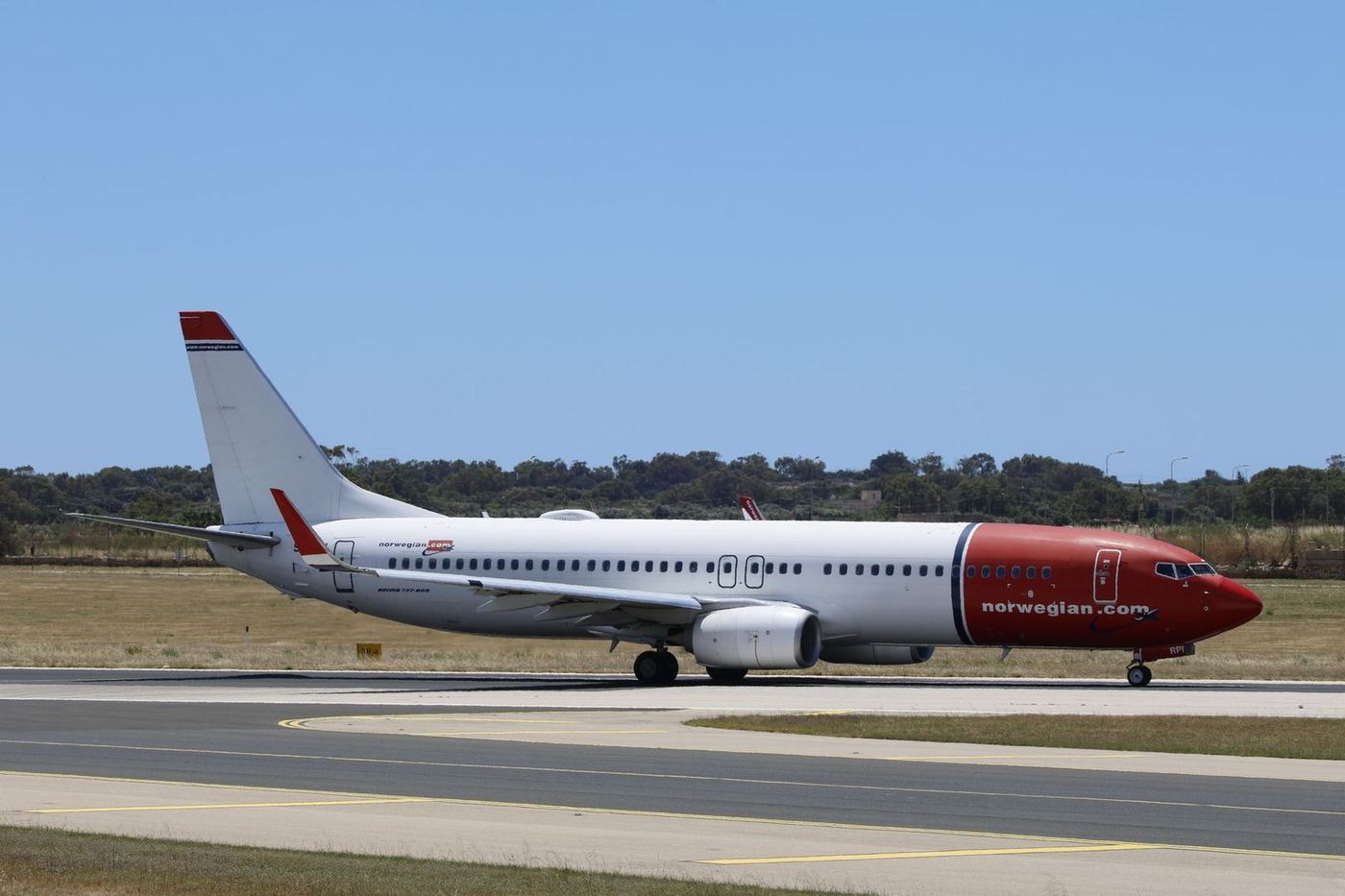
Boeing is facing fresh legal challenges over its 737 MAX aircraft, as four affiliated companies of Norwegian Air Shuttle claim a previous US$212 million settlement does not cover their ownership of 12 aircraft. This development could force Boeing into another trial scheduled for early 2027.
Initial Dispute and Settlement with Norwegian Air Shuttle
Norwegian Air Shuttle and its aircraft-owning subsidiary, Arctic Aviation Assets, initiated legal action against Boeing in 2020. The carriers alleged that Boeing misrepresented the 737 MAX as a straightforward evolution of the 737, inducing them to acquire 18 aircraft for over US$1 billion.
Norwegian claimed that Boeing portrayed the MAX as safe and compatible with existing pilot training, omitting the need for expensive simulator courses. In a resolution announced by Norwegian, the company reported an accounting gain of NOK 2 billion (approximately US$212 million) from a settlement of all outstanding legal disputes with Boeing.
As part of this broader agreement, Norwegian also placed orders for 50 additional 737 MAX aircraft and exercised options for 30 more. Norwegian's CEO stated at the time that the deal would "terminate the lawsuits."
New Claims Emerge from Affiliated Aircraft Owners
Despite the earlier settlement, four special-purpose aircraft-owning companies, AAA MAX 1 Limited, AAA MAX 2 Limited, AAA MAX 3 Limited, and AAA MAX 4 Limited, all registered in the Cayman Islands, contend that the agreement does not cover them. These entities collectively hold ownership of 12 of the 737 MAX aircraft involved in the original dispute.
They claim the right to sue Boeing separately over the same alleged misrepresentations concerning the aircraft's safety and training requirements.
The plaintiffs are currently seeking a federal judge's order to compel a former senior Boeing executive to testify, arguing that this individual possesses unique insights into Boeing's leadership knowledge during the 737 MAX's development phase.
Allegations of Concealed Information on MCAS System
The core of the plaintiffs' renewed claims centres on allegations that Boeing knew of internal concerns regarding the Maneuvering Characteristics Augmentation System (MCAS) while continuing to market the 737 MAX as a simple extension of the 737 family.
Plaintiffs allege that MCAS could command repeated nose-down stabilizer movements based on input from a single angle-of-attack sensor, exercising significantly more authority than airlines and pilots were informed. This alleged design characteristic was central to the two fatal 737 MAX crashes in 2018 and 2019.
Crucially, information about MCAS was reportedly omitted from pilot manuals and training materials, which the plaintiffs claim was a deliberate act to preserve Boeing's ability to assure airlines that costly simulator training would not be necessary for 737 MAX pilots.
Implications for Boeing and the Aviation Industry
This new legal challenge shows that Boeing may face another round of litigation concerning aircraft it believed were covered by previous settlements. A trial in this matter is scheduled for February 16, 2027, which will reignite scrutiny on the manufacturer's past conduct.
Should the Cayman Islands-based companies succeed in their claims, it could open the door for other aircraft owners or affiliates to pursue similar actions, potentially creating further financial and reputational liabilities for Boeing.
The outcome will be closely observed by the aviation industry, particularly aircraft lessors and operators, as it may clarify the scope of past settlements and the extent of manufacturer liability in complex aircraft sales agreements, impacting future contracting practices.
Get The Post.
The global travel stories that matter, three mornings a week. Free.