Delta Air Lines Prioritises Airbus A350 for Widebody Operations
Delta Air Lines consistently favours Airbus A330 and A350 aircraft for its long-haul fleet. This choice reflects perceived shifts in Boeing's quality and a drive for commonality. Future fleet diversification remains a possibility.
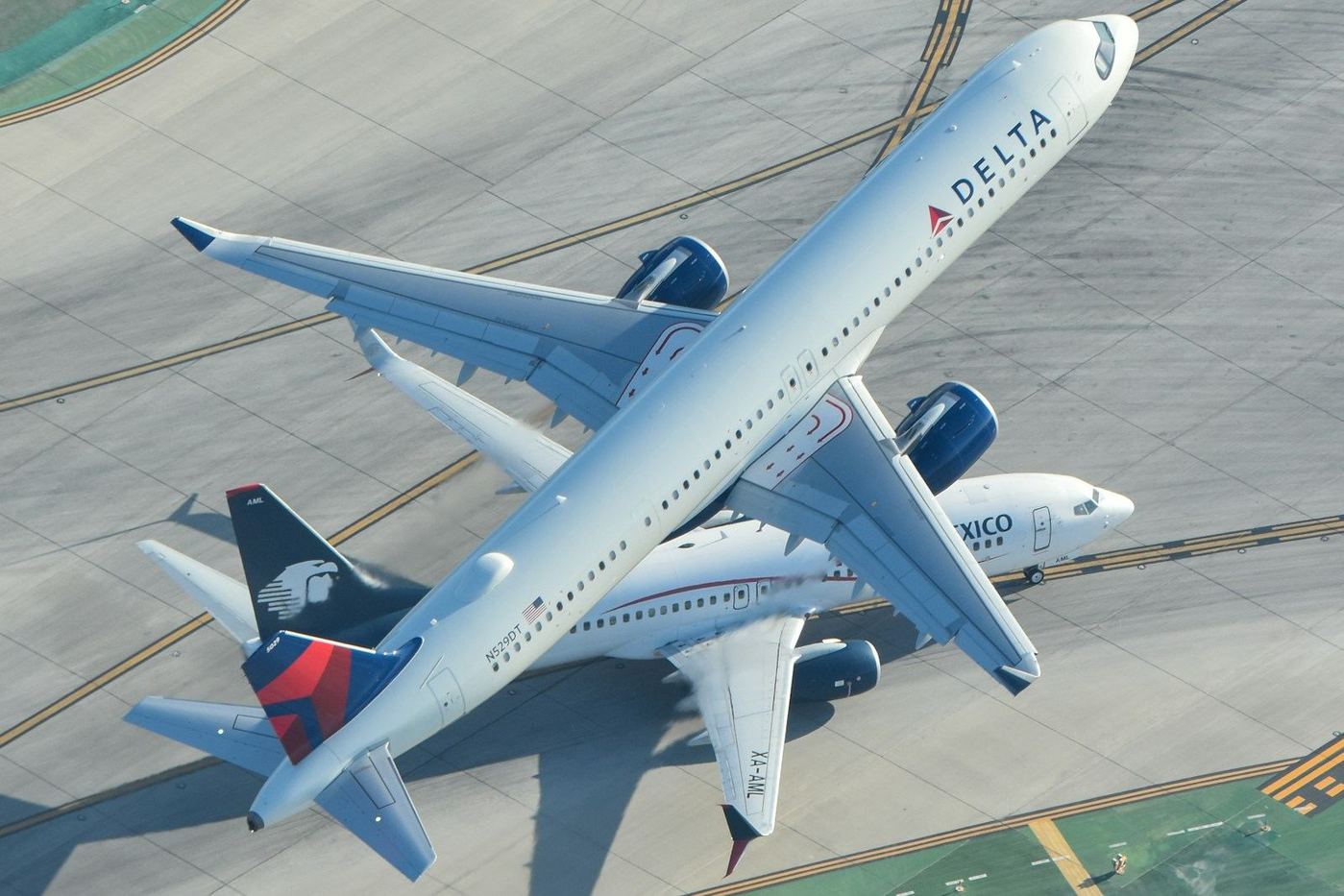
Delta's Fleet Composition and Past Decisions
Delta Air Lines has largely committed to Airbus for its long-haul fleet needs, a strategy solidified over the past decade. The carrier notably cancelled an order for 18 Boeing 787-8 aircraft in 2016. These specific orders originated from Northwest Airlines before its merger with Delta in 2008.
Since the 2010s, Delta has exclusively acquired Airbus A330 family and A350 widebody aircraft for its international operations. This procurement approach distinguishes Delta from other major US carriers. For instance, American Airlines, United Airlines, and Hawaiian Airlines all currently operate the Boeing 787 Dreamliner.
However, United has also placed an order for the Airbus A350, with initial deliveries anticipated in 2030, indicating a potential shift for other operators too.
Perceived Shift in Boeing's Quality Focus
A primary reason for Delta's preference for Airbus relates to a perceived deterioration in Boeing's aircraft quality. Historically, Boeing maintained a strong global reputation for engineering excellence and manufacturing precision. However, after its merger with McDonnell Douglas, some industry observers argue that Boeing adopted a new corporate focus.
This shift reportedly prioritised short-term fixes and profit maximisation over long-term engineering integrity, according to the analysis. The Boeing 787 itself encountered significant developmental challenges, including well-documented issues with its lithium-ion batteries during its early years.
Delta reportedly identified these changes in Boeing's operational approach before the 2019 737 MAX crisis, which further amplified quality control questions across the industry. This early observation significantly influenced Delta's strategic decision to favour Airbus for its widebody requirements.
Strategic Advantages of Fleet Commonality
Delta's fleet strategy is also significantly driven by the operational benefits derived from commonality. The airline has established a widebody fleet predominantly comprising Airbus A330 and A350 aircraft. This pairing allows for a shared type rating, meaning pilots qualified on one aircraft can readily operate the other.
Such commonality significantly simplifies pilot training programmes, optimises crew scheduling, and streamlines overall crew management processes for the airline. For instance, transitioning pilots from an A330 to an A350 requires only eight days of dedicated training. Furthermore, the A330 and A350 share certain maintenance procedures and system components.
This shared infrastructure and operational synergy help Delta reduce both maintenance and overall operating costs across its extensive long-haul network, enhancing efficiency.
Competitive Landscape and Future Considerations
The Airbus A350 and Boeing 787 Dreamliner stand as direct competitors, representing the newest clean-sheet designs in the long-haul aviation segment. Both models offer substantial fuel efficiency improvements compared to previous generation aircraft, a critical factor for airline profitability.
Globally, the Boeing 787 family shows a larger cumulative order book, with 2,199 firm orders against the A350's 1,428. While the smaller 787-8 variant is nearing the end of its production life, airlines now primarily focus on the longer-range 787-9 and the higher-capacity 787-10 models.
Despite Delta's current Airbus-centric widebody fleet, industry rumours suggest a possible future order for Boeing 787-10 Dreamliners. Such a strategic move would mark a notable diversification in Delta's long-haul aircraft strategy, potentially impacting future route planning and operational flexibility.
Get The Post.
The global travel stories that matter, three mornings a week. Free.