Delta Air Lines Granted Immunity in Passenger Incident Following USD 7.2 Million Verdict
A U.S. federal appeals court on September 23, 2026, upheld Delta's protection from liability in a 2015 onboard incident, overturning a $7.225 million jury award to Atef Bandary.
Appeals Court Upholds Airline Immunity
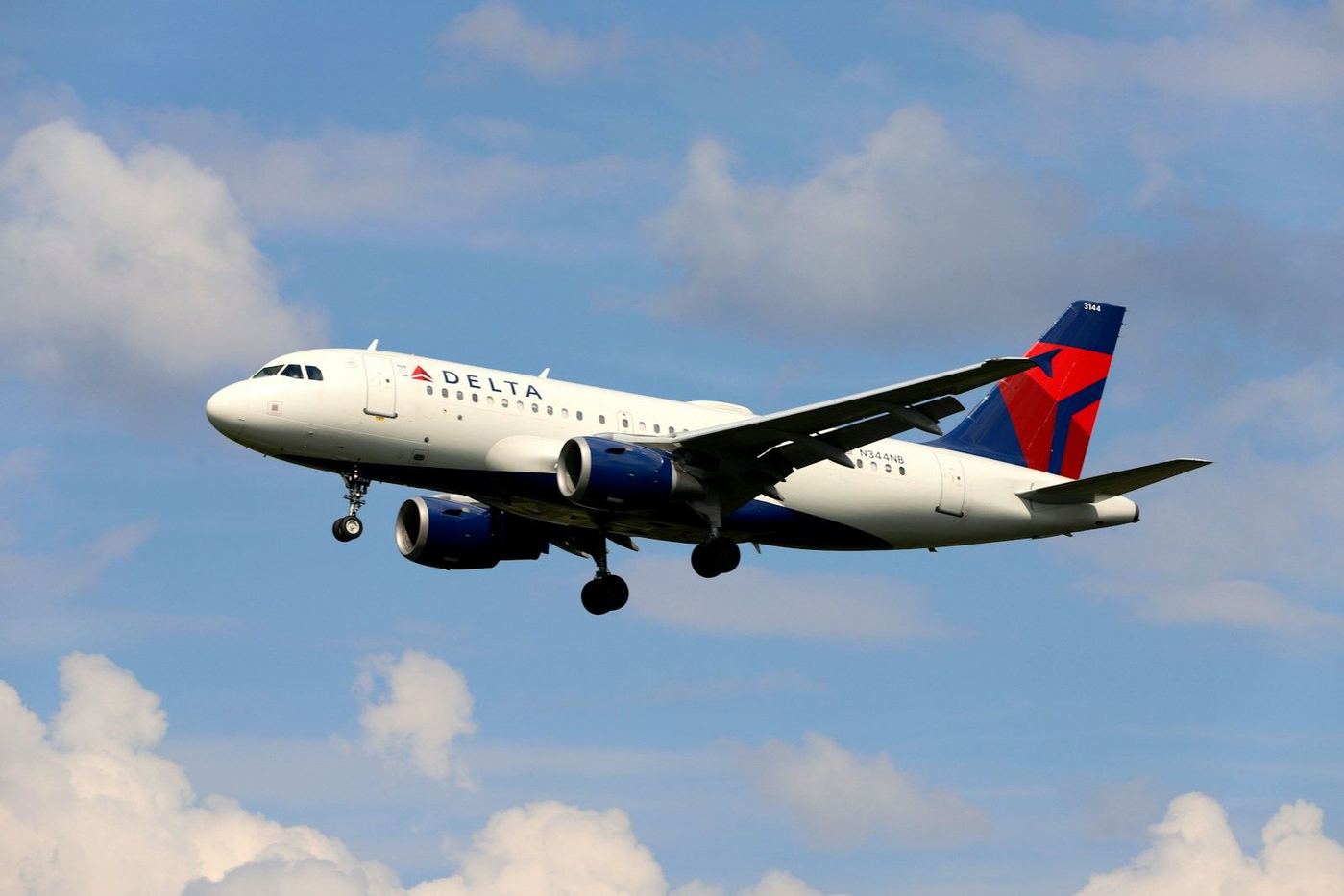
The U.S. Court of Appeals for the Ninth Circuit has ruled in favour of Delta Air Lines, granting the carrier immunity from liability in a long-running dispute with a passenger. On September 23, 2026, a 2–1 decision by the appeals court overturned a previous $7.225 million jury award to Atef Bandary, who alleged injury during an onboard confrontation in 2015.
The court's majority opinion extended the protection afforded to airlines for reporting suspicious activity to include conduct that arises from law enforcement's subsequent response. This decision reverses earlier findings that had held Delta responsible for bodily injury and emotional distress suffered by Mr. Bandary during a flight from Atlanta to Salt Lake City.
The ruling reinforces the scope of the Aviation and Transportation Security Act, which shields airlines and their employees from civil liability for disclosures related to potential aircraft or passenger safety concerns.
Onboard Incident and Initial Jury Award
The case stems from an incident on May 29, 2015, aboard Delta flight 1105. Mr. Bandary, travelling from Atlanta to Salt Lake City, claimed flight attendants refused his requests for lavatory access during a severe diarrhea attack, escalating a medical issue into a security concern.
He alleged he was subsequently handcuffed, injured, and exposed naked to other passengers, and that his pants fell to the floor after flight attendants restrained him. Mr. Bandary filed a lawsuit in May 2017, seeking compensation under the Montreal Convention, arguing that the airline's actions constituted an unusual onboard event causing physical and emotional harm.
In October 2021, a civil jury found Delta was not entitled to reporting immunity and awarded Mr. Bandary $7.225 million in damages for bodily injury and emotional distress.
Legal Reversals and Airline's Defence
Following the jury's decision, a judge in 2022 overturned the $7.225 million verdict, deeming the damages excessive given the presented evidence of injury, and ordered a new trial. Before the new trial commenced, the judge then ruled that Delta was immune from liability and dismissed the entire case.
Delta's defence relied on the Aviation and Transportation Security Act, asserting that its employees had reported suspicious behaviour by Mr. Bandary, including pacing, staring at passengers, and taking photos of crew members.
The airline maintained that its actions, and those of the law enforcement agent involved, were protected under this federal statute, which grants civil immunity for reporting activities that could compromise aircraft or passenger safety.
Implications for Global Travel Industry
This ruling by a U.S. federal appeals court could have significant implications for how airlines manage passenger incidents and potential security concerns globally. While specific legal frameworks vary, the principle of airline immunity for actions taken in response to perceived threats is a common feature in many jurisdictions, including those across Asia.
Carriers in markets like Singapore, Japan, and South Korea, which operate under strict safety and security regulations, may observe this precedent as they review their own protocols for handling disruptive passengers and engaging law enforcement.
The decision underscores the fine line between passenger rights and airline security responsibilities, potentially influencing how Asian airlines balance these considerations, particularly concerning liability for crew actions following a security report.
Get The Post.
The global travel stories that matter, three mornings a week. Free.