Design Hotels Adds 15 Properties to Asia-Pacific Portfolio
Design Hotels expanded its Asia-Pacific network this year, adding 15 new properties across 12 destinations. The growth, particularly strong in China, demonstrates increasing demand for independent, design-focused accommodation among travellers and developers.
Asia-Pacific Expansion Driven by Demand
Design Hotels, a global collection of independent, design-led properties, has incorporated 15 new hotels into its Asia-Pacific network this year. These additions span 12 destinations, marking a significant regional expansion. The company notes this growth aligns with its internal projections. It also reveals strength within the region's hospitality development pipeline.
Aik Wee Ong, Design Hotels' Senior Director for Asia-Pacific, stated that more owners and developers are adopting the company's approach to independent, design-focused hospitality. This expansion reflects a growing interest in inspiring hotel stays among travellers across the region. Ten of the new properties are located within China, highlighting a key market focus.
China Leads Regional Growth
China represents a crucial part of Design Hotels' expansion narrative. Ong expressed enthusiasm for the country's design-led hotel sector. He observed a strong appreciation from well-travelled Chinese audiences for independent, design-focused hotels. This trend coincides with a new generation of talented Chinese architects and designers.
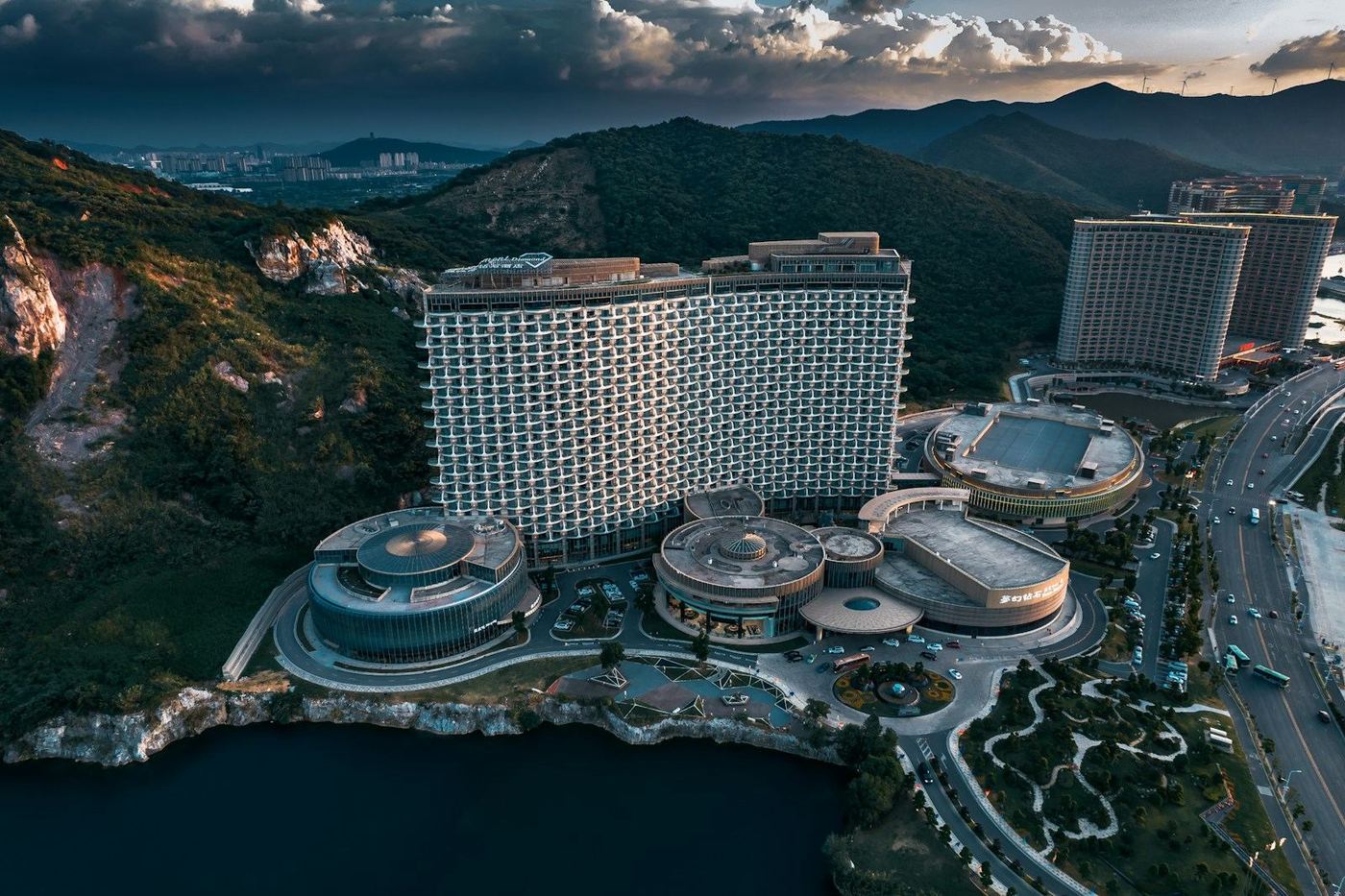
They contribute fresh ideas and distinct local perspectives to hospitality. Notable new signings in China include Yangshou Sugar House in Guangxi, Jinmao Pureal Mountain Lijiang, and 6500, Changsha. Despite this energetic expansion, Design Hotels' Asia-Pacific portfolio comprises 59 member hotels. This compares to 100 in the Americas and 210 in Europe.
Ong noted significant potential for further growth across Asia-Pacific. He stated the growth trajectory remains consistent across different regions, with China remaining central. The company also monitors markets such as India, Thailand, Vietnam, Australia, and New Zealand for future development.
Evolving Traveller Preferences Shape Market
The increasing demand for design-led hotels fuels Design Hotels' expansion strategy. Ong believes travellers are moving beyond traditional luxury definitions. They increasingly seek originality, authenticity, and a strong sense of place. Design now reflects culture, creativity, and the destination itself, moving past mere aesthetics.
This creates a compelling opportunity for Design Hotels, whose portfolio features independent properties with distinctive identities. These hotels maintain a genuine connection to their surroundings. As the hospitality landscape becomes more competitive and uniform, individuality serves as an important differentiator. This shift in preferences drives investment and development in unique lodging options.
Future Outlook for Independent Hospitality
Industry figures confirm the growing appetite for non-normative lodging. Cassandra Lin, General Manager of The Warehouse Hotel in Singapore, a Design Hotels member, observed this trend. She noted it is particularly prevalent among early-career travellers. Additionally, many affluent travellers prefer smaller-scale hotels, seeking personalised attention.
Lin emphasised that hotels must offer unique activities to attract and retain customers. The Warehouse Hotel, an early design-led property in Singapore occupying heritage architecture, continuously updates its offerings. It is rebranding its bar and revitalising its restaurant menu. The hotel also unveils art and music programming.
These activations connect guests with the local community and heritage surroundings. This approach reveals the industry's direction: a focus on distinct identity and local engagement will drive future success for independent hospitality providers.
Get The Post.
The global travel stories that matter, three mornings a week. Free.