Detroit Hospitality Sector Sees Revival, Drawing Global Travellers to Revitalised City
Detroit has undergone a significant urban and hospitality transformation since 2013, attracting international visitors to its architecturally notable and culturally rich landscape, according to a Condé Nast Traveler report published on July 31, 2026.
Detroit's Urban Transformation Attracts Global Attention
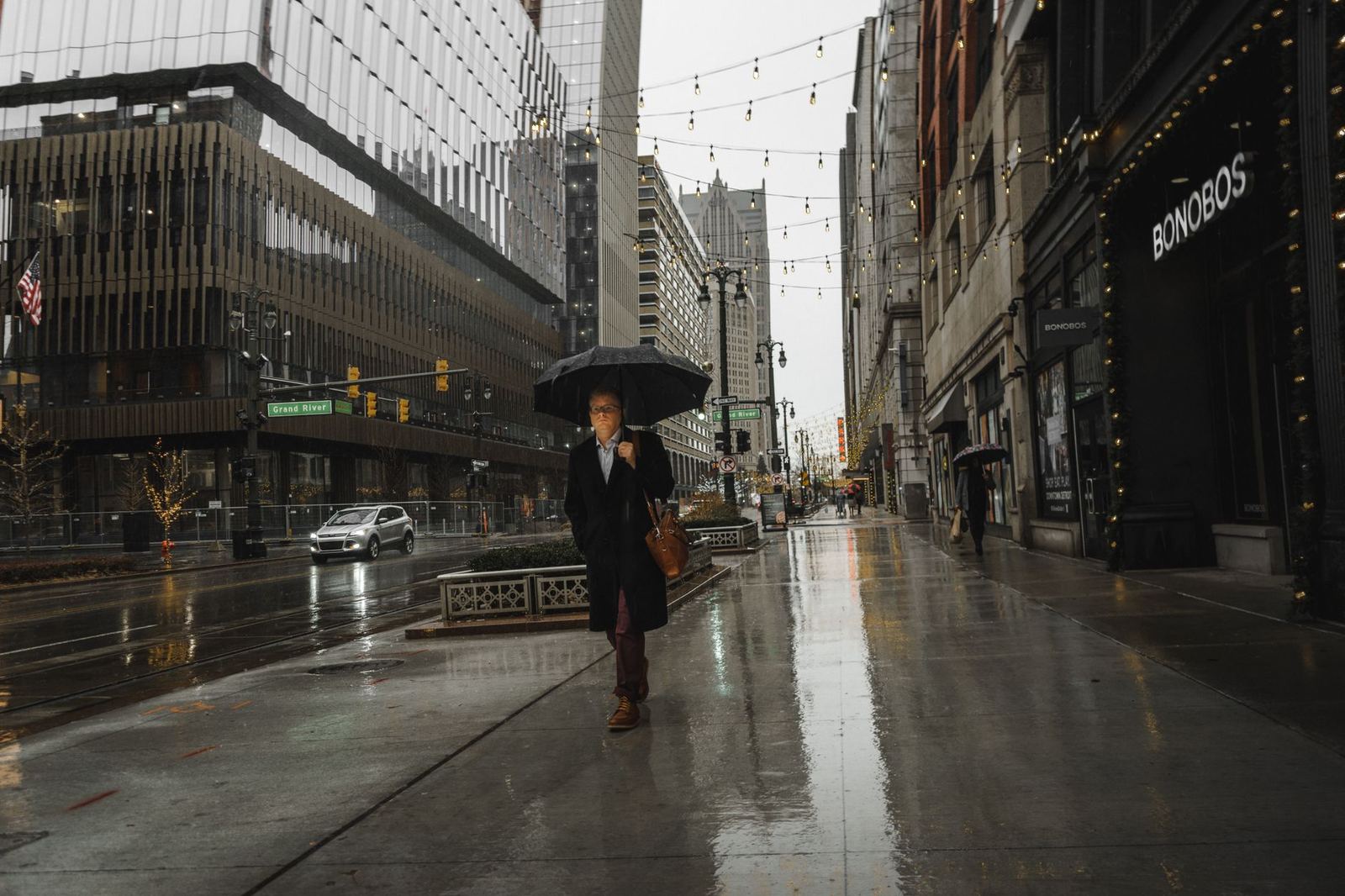
Detroit, Michigan, has redefined its urban identity over the past decade, shifting from a city once characterised by derelict buildings to a destination for international travellers. A report in Condé Nast Traveler on July 31, 2026, by Dana McMahan, highlights this dramatic change, noting that what was once a surprising notion — vacationing in Detroit — is now a common pursuit. Since 2013, the city has seen substantial investment in revitalisation, transforming its skyline and repurposing historic structures. Travellers now visit to explore Detroit’s distinct architecture, music, art, food, and drink scenes, which collectively present a unique American urban offering. McMahan, a former resident, observed this evolution firsthand, noting the palpable energy now present in a downtown area that once featured empty avenues.
Architectural Heritage Redefined in New Hotel Offerings
The city’s hospitality sector reflects this renewal, with several historic buildings converted into distinct hotel properties. Roost Detroit, situated within the 1920s Book Tower, exemplifies this trend. The skyscraper, designed to evoke Haussmann’s Paris, houses 117 apartment-style rooms complete with full kitchens and spacious suites. Its centrepiece is a three-story rotunda, featuring a cast-iron and brass dome with 6,000 glass panels and 7,000 jewel embellishments, previously concealed for decades. Dining options include Le Suprême, a French bistro, and Hiroki San, which serves sake alongside gold-flecked sushi. The Aladdin Sane lounge provides cocktails by candlelight. This property caters to couples and groups seeking a stay within one of Detroit's most romantic buildings.
Diverse Stays from Gothic Towers to Neo-Renaissance Landmarks
Other notable accommodations further demonstrate Detroit’s revitalised hospitality landscape. Element by Marriott Detroit at the Metropolitan occupies the Metropolitan building, offering apartment-style rooms with city views. Its Monarch Club, a midcentury-inspired cocktail bar, sits atop the structure, providing a 360-degree open-air deck popular at sunset and warmed by firepits during Michigan winters. Nearby, the Hotel David Whitney, an Autograph Collection property, operates from a 1915 neo-Renaissance landmark. This hotel features a soaring atrium, flickering fireplaces, and a pianist. Its 160 rooms are designed for comfort, with corner rooms offering expansive windows and park views. The Library Bar serves cocktails inspired by the building’s original lumber baron family. The hotel’s location near Ford Field, the Fox Theatre, and Comerica Park makes it a practical choice for guests attending events.
Detroit Foundation Hotel and Industry Implications
The Detroit Foundation Hotel, housed in a 1929 firehouse, combines industrial design with Parisian-inspired furnishings, featuring concrete floors, exposed brick, and oversized windows. Its Apparatus Room, once home to firefighting equipment, serves as a central gathering space. The hotel has received multiple accolades, including recognition in Condé Nast Traveler’s Hot List and Readers’ Choice Awards across various years, from 2018 to 2025. This resurgence in Detroit’s hospitality sector shows a broader trend of urban regeneration driven by architectural preservation and adaptive reuse. For the global travel industry, Detroit’s transformation demonstrates the economic viability of investing in historical city centres to create distinctive tourism offerings. This pattern mirrors efforts in Asian cities such as Shanghai or Singapore, which have similarly re-purposed heritage buildings into unique hotel properties to draw both domestic and international visitors seeking culturally rich urban stays. The Detroit case provides a model for how such strategic development can redefine a city’s appeal on an international scale.
Get The Post.
The global travel stories that matter, three mornings a week. Free.
By subscribing you consent to receive this newsletter from GlobalTravelPost (Asia Press Centre Group); unsubscribe at any time.