European Coastal Road Trips: Mallorca, Norway, and Ireland Offer Dramatic Drives
Europe's extensive coastlines provide numerous routes where the drive itself becomes the primary attraction. From Spain's Balearic Islands to Norway's rugged fjords and Ireland's western shores, these road trips feature diverse landscapes and notable engineering, inviting travellers to explore at their own pace.
Driving Europe's Dramatic Coastlines
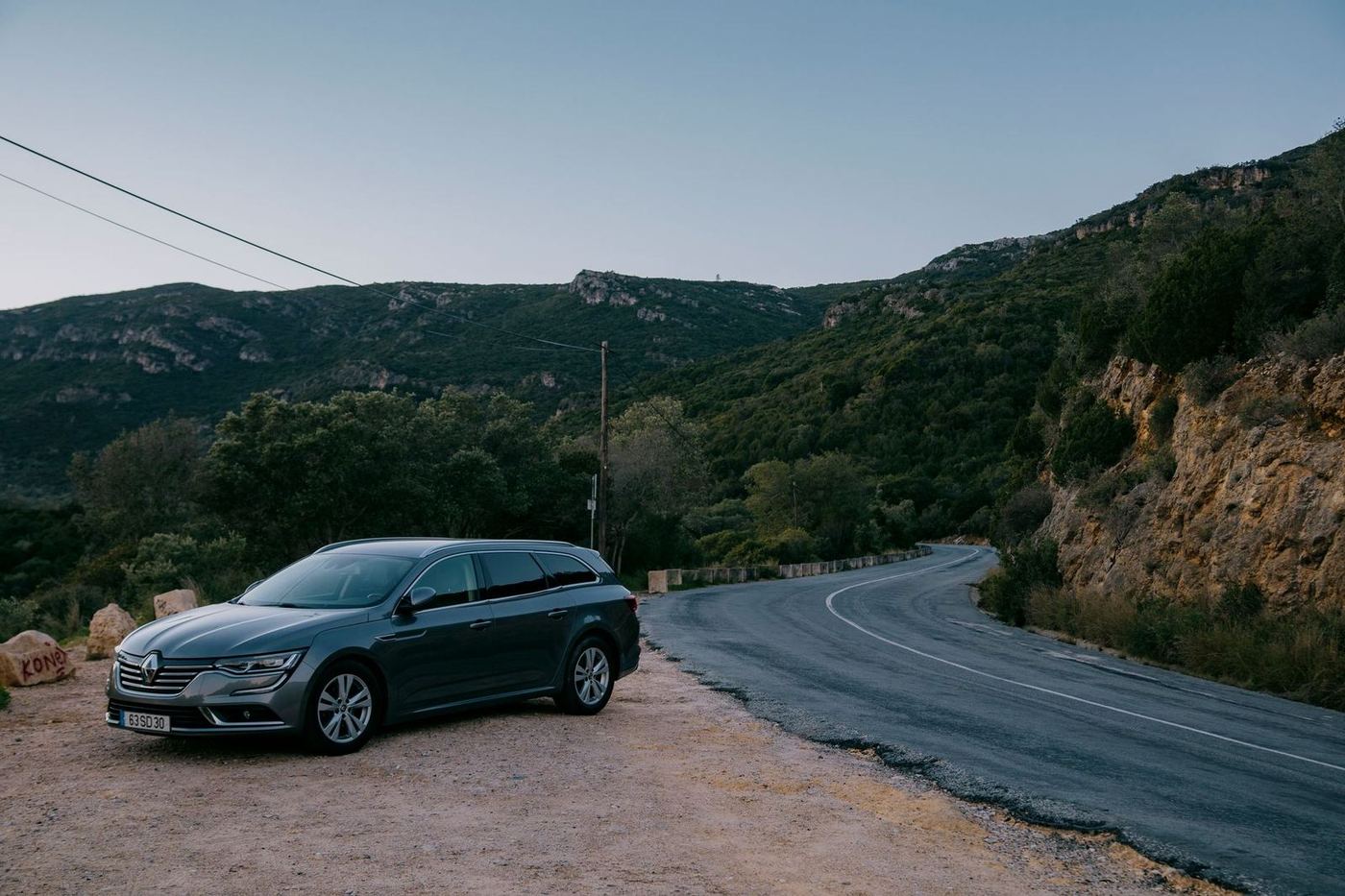
European coastal roads frequently offer more than just a passage between two points; they present a compelling reason to travel. These routes often trace dramatic cliffs where ocean waves meet the shore, or they pass serene beaches and connect remote fishing communities. Many also incorporate significant feats of engineering, such as bridges that appear to float above the water.
The changing landscapes along these drives often prompt frequent stops to take in the views. This form of travel provides a sense of freedom, allowing drivers to choose their detours and explore lesser-known sites.
Whether by car or motorcycle, these routes unfold like a continuous film, with the added benefit of discovering secluded lookouts, remote lighthouses, inaccessible coves, and local restaurants serving fresh seafood as fishing boats return to harbour. The scenery adapts with the seasons, maintaining its appeal throughout the year.
Mallorca's Ma-2141: An Engineering Feat in the Mediterranean
Spain's Highway Ma-2141, located on Mallorca, serves as a testament to both striking landscapes and remarkable road engineering. This route descends from Coll dels Reis to Sa Calobra cove within the coastal Serra de Tramuntana. Spanning just over six miles, the road navigates an elevation change exceeding 2,000 feet, appearing to be carved directly into the mountain face.
It features a continuous series of hairpin bends, prominent lookout points, and limestone cliffs that drop sharply into the valley. A particularly notable section is the Nus de sa Corbata, or 'the knot of the tie,' a 270-degree spiral curve where the road loops back over itself via an ingenious bridge. This design has become a distinguishing feature of the drive.
The landscape transforms during the descent, moving from pine forests to steep slopes and gorges, with glimpses of the deep-blue Mediterranean Sea. Drivers may pass small coves with clear waters or encounter the Torrent de Pareis, a rocky canyon ending at the sea.
This route demands careful driving, especially during peak seasons when it is also a popular cycling path, though early morning or sunset drives are particularly memorable.
Norway's Atlantic Ocean Road: Connecting Islands and Communities
Norway's Atlantic Ocean Road, known locally as Atlanterhavsvegen, has become a prominent tourist destination since its opening in 1989. The core section spans five miles, but the broader National Scenic Route extends 22.4 miles, linking Karvag, near Kristiansund, with Bud.
This route winds through an environment of islands, reefs, and small fishing villages, connected by eight bridges and multiple causeways that appear to float above the ocean. The Storseisundet Bridge is particularly recognised for its dramatic profile, which creates an optical illusion suggesting a plunge into the sea, though it is entirely safe.
The route's appeal lies in driving between the open sea and Norway's rugged northwestern coastline. One side reveals grassy islets and small fishermen's cottages, while the other showcases the Atlantic Ocean's changing colours and moods, influenced by wind and light.
As one of Norway's 18 National Scenic Routes, it includes numerous lookouts and rest areas for travellers to appreciate the scenery. During stormy weather, waves crash against the bridge bases with considerable force, while calm seas present a serene drive.
The road also facilitates birdwatching, fishing, and exploring coastal villages where daily life remains closely tied to the sea.
Ireland's Wild Atlantic Way and the Appeal of Self-Guided Exploration
Ireland's Wild Atlantic Way stretches for 1,553 miles along the nation's west coast, with a particularly well-known segment connecting the small port of Doolin to the dramatic Cliffs of Moher. These extensive coastal routes across Europe underscore the enduring appeal of self-directed travel.
For both industry professionals and travellers, these drives highlight the value of direct engagement with regional landscapes and local economies. They provide an autonomous method of travel that allows individuals to tailor their itineraries, fostering a deeper connection with the destinations visited.
The continued popularity of such routes demonstrates a consistent demand for travel that prioritises scenic beauty, cultural immersion, and personal freedom. As such, these routes remain key attractions for those seeking a more personal and flexible approach to exploring Europe’s diverse topographies.
Get The Post.
The global travel stories that matter, three mornings a week. Free.