Finland Expands India Travel Focus Beyond Winter
Finland's tourism sector diversifies its appeal to Indian travellers. The strategy moves beyond traditional winter offerings, promoting summer, autumn, and MICE travel. This follows significant growth in Indian visits to Lapland.
Finland Diversifies Appeal for Indian Travellers
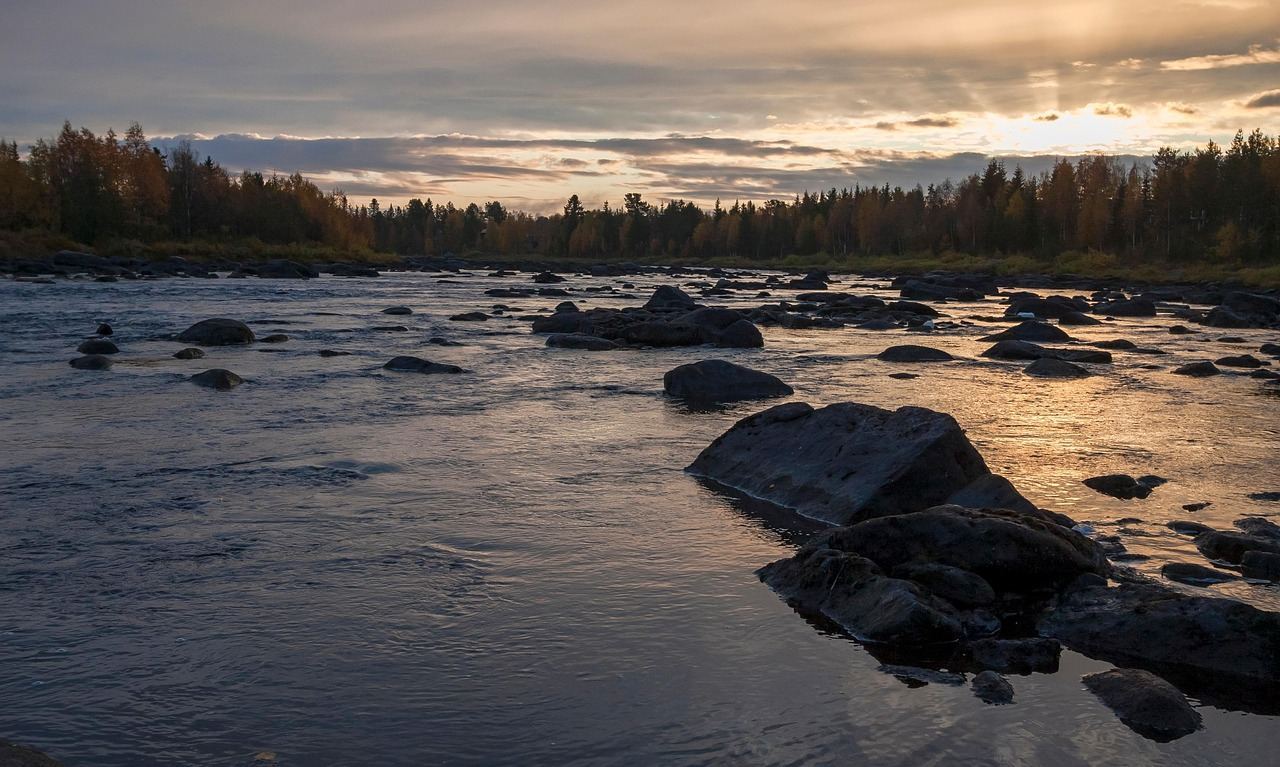
Finland's tourism sector is broadening its focus for Indian travellers. The strategy moves beyond its established winter and Lapland offerings. It now promotes summer, autumn, and MICE (Meetings, Incentives, Conferences, Exhibitions) travel. This shift follows substantial growth in Indian visits.
The destination aims to meet rising demand for luxury, nature-based, and activity-focused travel. Indian overnight stays in Lapland rose by 89 per cent in 2024 compared to 2023. A further 20 per cent increase is projected for 2025. These figures were provided by Sara Consulting Services. This firm organised the Finland-India Tourism Workshop 2026.
Finland also registers the highest number of Indian overnight stays among Nordic nations. This information comes from the workshop organisers. This expansion aims to leverage existing demand. It seeks to encourage year-round tourism. It also targets longer and higher-value stays from the Indian market. This approach supports a more diversified and sustainable tourism economy.
Strategic Engagement and Regional Promotion
Finland's broader strategy uses its strong winter appeal as an entry point. It aims to sell the destination throughout the year. Christian Heikkinen, Minister and Deputy Head of Mission at the Embassy of Finland in New Delhi, noted this. Discussions with the Indian travel trade highlighted a need for greater attention.
This attention should focus on Finland's summer and autumn offerings. Mr Heikkinen stated Finland's nature, adventure, and activity products hold strong appeal. These include husky safaris and specific activities around Finnish Lapland. They particularly attract India's growing premium and younger traveller segments.
These segments seek specific activities rather than general 'experiences.' To support this, a three-city workshop took place in Mumbai, Ahmedabad, and New Delhi. It gathered 22 Finnish tourism partners. Organisers described this as Finland's largest tourism delegation for an India workshop.
Participating businesses included destination marketing organisations, luxury hotels, and destination management companies. The delegation also engaged travel advisors. These advisors came from Tier-II and Tier-III Indian cities. These cities included Pune, Kolkata, Indore, and Agra.
Expanding Itineraries and Demand Patterns
Finland's tourism offering is diversifying within the Indian market. Lapland remains a primary draw. However, travel companies increasingly sell Helsinki, Lakeland, and the Archipelago. These regions feature in summer itineraries. Helsinki and Lapland now combine for MICE programmes. Summer demand is also rising for the Lakeland and Archipelago regions.
Travel companies are also beginning to sell 'mono Finland' itineraries. These itineraries involve travellers spending time across Helsinki, Lakeland, and the Archipelago. This approach contrasts with combining Finland with multiple Nordic destinations. Sara Sodhi Juneja, Founder and CEO of Sara Consulting Services, observed increasing demand.
Queries now originate from almost all key Indian markets. Indian travellers increasingly plan well in advance for peak winter periods. December and January see limited inventory in Lapland. March emerges as an important alternative. Travellers can seek the Northern Lights and snow then. This avoids the peak December-January period.
March has become one of Lapland's strongest months, after December and January. It offers comparatively better availability.
Outlook for Year-Round Tourism Growth
The diversification of the Indian market is crucial for Finland. It directly supports the country's goal of increasing year-round tourism. It also encourages longer and higher-value stays. The direct air link between Helsinki and Delhi, provided by Finnair, supports this growth. This connectivity facilitates easier access for Indian travellers.
Mr Heikkinen noted increased interest from India. This shows in visa applications. While not his primary responsibility, this trend demonstrates growing travel intent. The focus on summer and autumn travel aims to balance seasonal peaks. It also seeks to distribute tourism benefits more widely across Finland's regions.
Industry stakeholders should monitor the uptake of these new itineraries. The success of 'mono Finland' packages will reveal market preferences. Continued growth from Tier-II and Tier-III Indian cities suggests a broad and expanding base of potential visitors. This sustained interest could drive further investment in non-winter tourism infrastructure. It may also influence future air route developments.
Get The Post.
The global travel stories that matter, three mornings a week. Free.