Global Airfares Remain Elevated Despite Fuel Price Swings
US domestic airfares in August 2026 were 23% higher than a year prior, with holiday travel costs also seeing significant increases, according to official data.
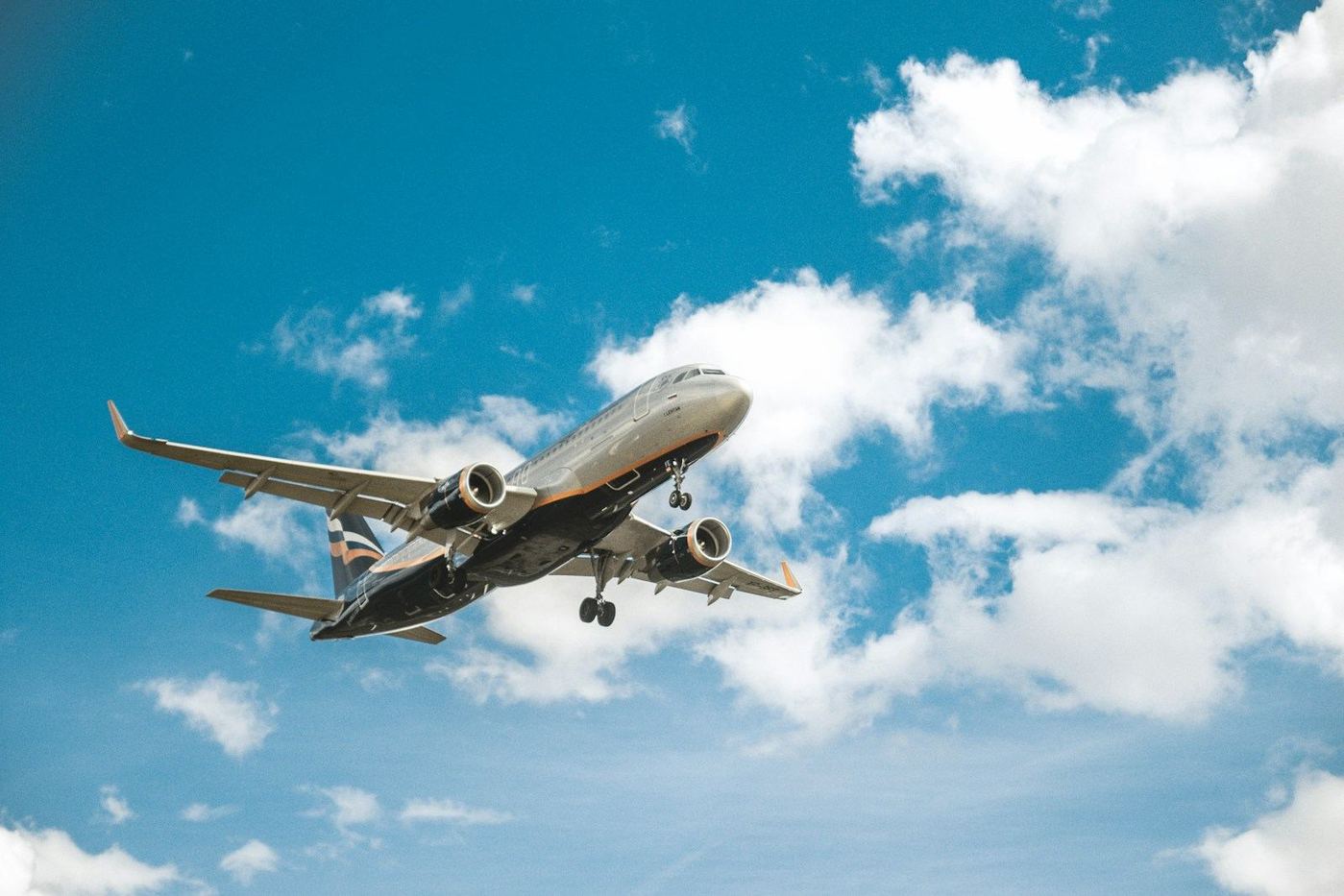
US Airfares Climb Through 2026
US airfares in August 2026 stood 23% above levels from the previous year, as reported by the Labor Department. This upward trend follows consistent increases throughout the year, with the Bureau of Transportation Statistics noting average fares, excluding optional fees, rose from $405 in the final quarter of 2025 to $428 in the first quarter of 2026.
The second quarter of 2026, covering April to June, saw a further climb to $436. Major US airlines and industry analysts suggest that ticket prices could remain high, even if the cost of jet fuel begins to decrease. This situation is partly attributed to the time lag in how airlines adjust pricing relative to their fuel procurement.
Holiday Travel Costs Soar Amid Fuel Swings
Travellers planning holiday trips for later in 2026 are already encountering the highest airfares in a decade, according to travel-booking platform Hopper. The company's analysis of flight searches revealed that a domestic round-trip ticket for Thanksgiving travel averaged $402 in the week prior to 29 September 2026, marking a 31% increase over last year.
Similarly, Christmas travel fares averaged $452, up 23% from 2025. This pricing environment is exacerbated by volatile jet fuel costs.
The Argus U.S. Jet Fuel Index, for instance, reached $4.53 a gallon on 17 September 2026, and remained above $4.25 a gallon as the quarter concluded, despite an earlier forecast by JetBlue on 10 September 2026 of an average $3.96 a gallon for the July-September period.
Global Jet Fuel Costs Impact Airline Planning
The International Air Transport Association's (IATA) Jet Fuel Price Monitor shows global averages have been similarly affected. Jet fuel averaged approximately $99 a barrel on 27 February 2026, before doubling to $209 by early April 2026.
After a period of decline, prices resumed their ascent, reaching $195 a barrel in mid-September 2026, IATA reported, citing S&P Global Energy Platts data. Airlines typically set fares months in advance, making it challenging to adjust prices quickly to sudden fuel spikes.
Brett House, an economist at Columbia Business School, noted that fuel cost volatility, not just the absolute level, poses a significant challenge. IATA projects fuel will constitute nearly one-third of airline operating expenses in 2026, up from about a quarter in 2025.
Stable Fuel Prices Key for Future Fare Reductions
For airfares to see a sustained decline, jet fuel prices must not only fall but also stabilise, according to Stephen Treanor, a finance professor at California State University, Chico, who studies airline fuel risk.
United's Chief Financial Officer, Mike Leskinen, stated on 16 September 2026 that while he doesn't mind if fuel prices remain high, he needs them to stabilise for effective planning. This global trend of elevated and volatile fuel costs directly impacts Asian carriers, many of whom operate long-haul international routes with high fuel consumption.
Airlines like Singapore Airlines and Cathay Pacific, for instance, face similar pressures on their operating margins. While no specific Asian fare data is provided, the International Air Transport Association's global figures suggest that travellers across Asia should anticipate continued high ticket prices in the coming months, mirroring the challenges seen in Western markets.
Get The Post.
The global travel stories that matter, three mornings a week. Free.


