Global Hotel Leaders, Including Banyan, Detail AI Views
At the Skift Global Forum in New York last week, leaders from Hilton, Hyatt, Accor, Wyndham, and Banyan Group agreed AI should improve staff performance, yet diverged on implementation.
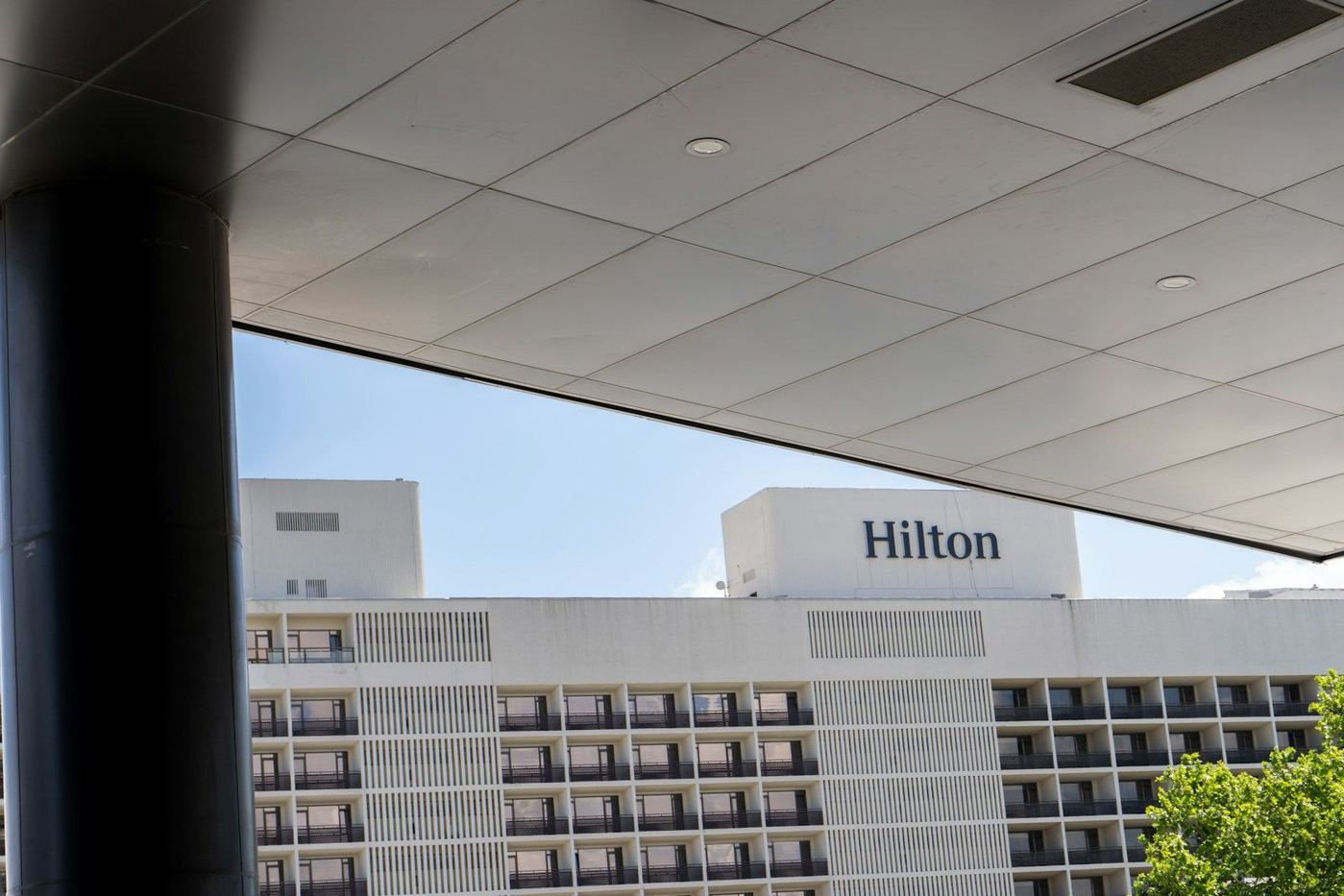
Global Hotel Leaders on AI's Role
Leaders from Hilton, Hyatt, Accor, Wyndham, and Singapore's Banyan Group convened at the Skift Global Forum in New York last week, in September 2026, to discuss the integration of artificial intelligence within the hospitality sector.
While a consensus emerged that AI should enhance the capabilities of hotel employees, the five chief executives showed differing strategies regarding its adoption. Their discussions focused on how AI could augment service quality rather than replace human interaction, setting a common goal for technological advancement within their respective organisations.
AI to Empower Staff, Not Displace Them
Hilton CEO Chris Nassetta articulated a firm stance against the complete automation of human roles, particularly at the front desk, even within limited-service properties.
Mr Nassetta stated that "You're never taking all the people out," emphasising the inherent nature of hospitality as "a business of people serving people." He explained that future staff at brands like Hampton would utilise AI to gain deeper insights into guest preferences and resolve issues more swiftly.
This approach aims to equip employees with advanced information, allowing them to proactively address customer needs and enhance the overall quality of guest interactions.
Divergent Implementation Approaches
Despite the shared objective of improving staff performance, the hotel executives presented varied views on the practical application of AI. Key areas of divergence included the potential for AI to displace jobs, the methods for guiding organisational responses to new technologies, and the extent to which AI should be present across all traveller purchasing points.
These discussions reflected the complex considerations involved in integrating advanced technology into a service-oriented industry. The leaders did not engage in direct debate but rather outlined their distinct strategic paths for applying AI within their global operations.
Asia's Hospitality Sector Considers AI
The discussions among these global hotel leaders, including Singapore-based Banyan Group, offer insights for Asia's diverse hospitality sector. As AI tools become more sophisticated, hotel groups across the region, from independent boutique hotels to large chains, will need to consider how AI can best complement their unique service models.
For instance, integrating AI for personalised guest services or streamlining operational efficiencies could offer a distinct advantage, aligning with the region's emphasis on high-quality, attentive service. The focus remains on how technology can support and enhance human interaction, rather than replacing it.
Get The Post.
The global travel stories that matter, three mornings a week. Free.


