Greek Islands Face Water Crisis: Hospitality Sector Adapts
Seven Greek islands in the Aegean Sea declared a drought emergency this year, prompting hotels to reconsider water management as extreme heat strains local resources and creates tension with communities.
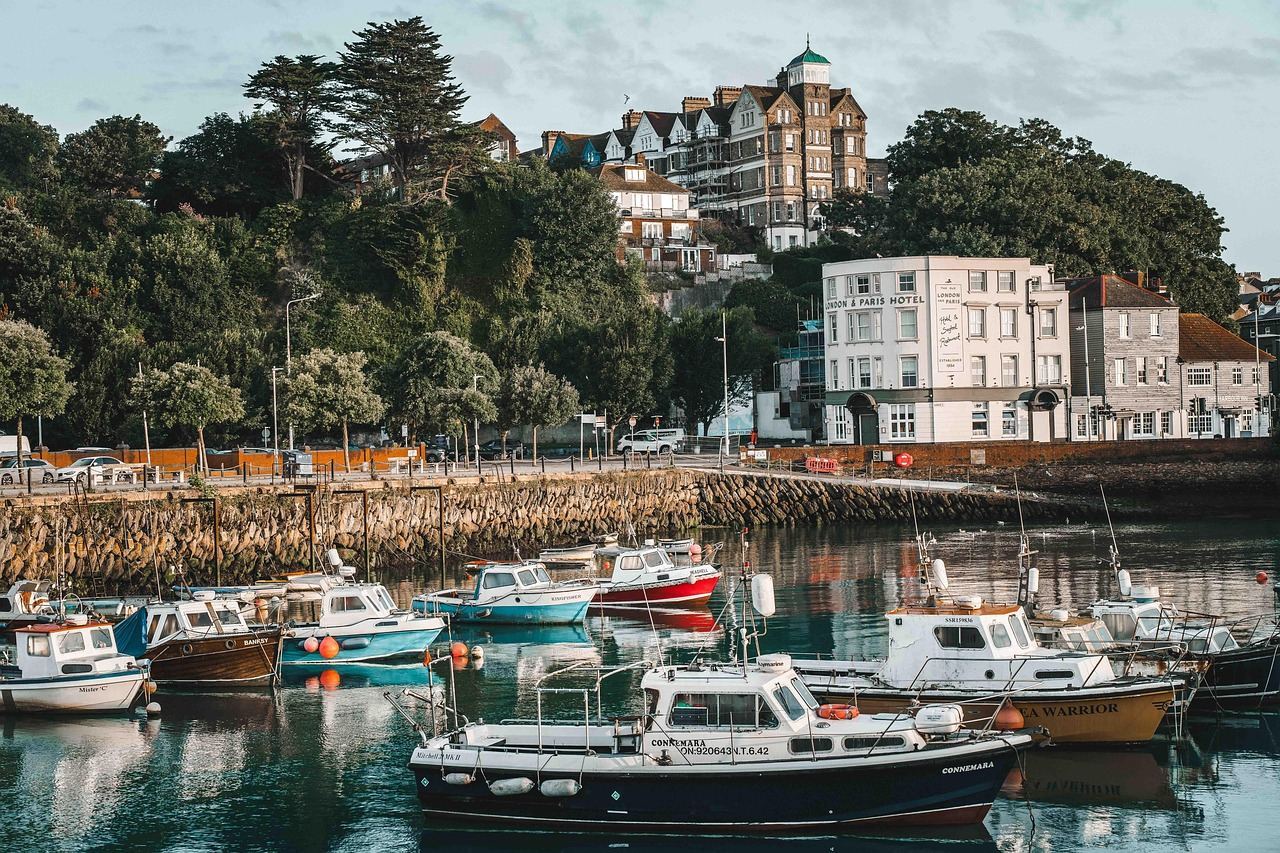
Aegean Islands Confront Water Shortages
Several popular Greek islands in the Aegean Sea are grappling with severe water scarcity, leading to official drought emergency declarations. Astypalea, a Greek island, is one of seven such locations to announce this critical status during 2026, as reported on 20 October.
This situation highlights a long-standing challenge for island communities, which have historically developed unique water conservation practices.
Maria Mavroudi, co-founder and general manager of Kallichoron Art Boutique Hotel, noted that her grandparents on Astypalea traditionally collected rainwater in cisterns for agricultural and animal use, demonstrating generations of adaptive living shaped by limited water availability, even before broader climate change discussions began.
Hospitality Sector Implements Conservation Measures
The escalating water crisis, exacerbated by extreme heat and reduced rainfall across Europe, is compelling the tourism industry to review its operational water consumption. Hotels, which typically require substantial water for guest services, swimming pools, and landscaping, are exploring various solutions.
Initial efforts include straightforward adjustments such as installing aerated showerheads to reduce flow and implementing programmes for less frequent laundry services. However, the industry is also considering more substantial, albeit costlier, structural changes to ensure sustainable water use amidst increasing environmental pressures. The effectiveness and scalability of these more significant investments remain a key question for operators.
Tourism's Impact on Local Water Supplies
The demand for water from the tourism sector is increasingly creating friction with local communities in affected areas. As hotels strive to maintain amenities like running taps, full swimming pools, and green gardens, they draw upon limited freshwater resources that are also vital for residents.
This competition for water becomes particularly acute during periods of drought and high tourist seasons, placing the industry in direct conflict with local populations.
The challenge for destinations like the Greek islands is to balance the economic benefits of tourism with the imperative to preserve essential resources for their inhabitants, especially as climate change intensifies resource scarcity.
Outlook for Asian Island Destinations
While the immediate water emergency is concentrated in European destinations, Asian island nations heavily reliant on tourism, such as the Maldives or parts of Indonesia, have traditionally managed freshwater resources carefully.
Although a widespread drought emergency has not been declared in these specific Asian regions this year, the European experience offers a precedent for how climate-driven water scarcity could impact hospitality operations and local communities.
Future investment in desalination technology or advanced water recycling systems in tourist areas could become a critical consideration for Asian developers and tourism boards to mitigate similar risks as global climate patterns continue to evolve.
Get The Post.
The global travel stories that matter, three mornings a week. Free.


