Holafly Index Reveals Key Obstacles for Digital Nomads Globally
International eSIM provider Holafly's 2026 Digital Nomad Friction Index assessed 17 destinations, identifying administrative hurdles and internet reliability as primary challenges for remote workers.
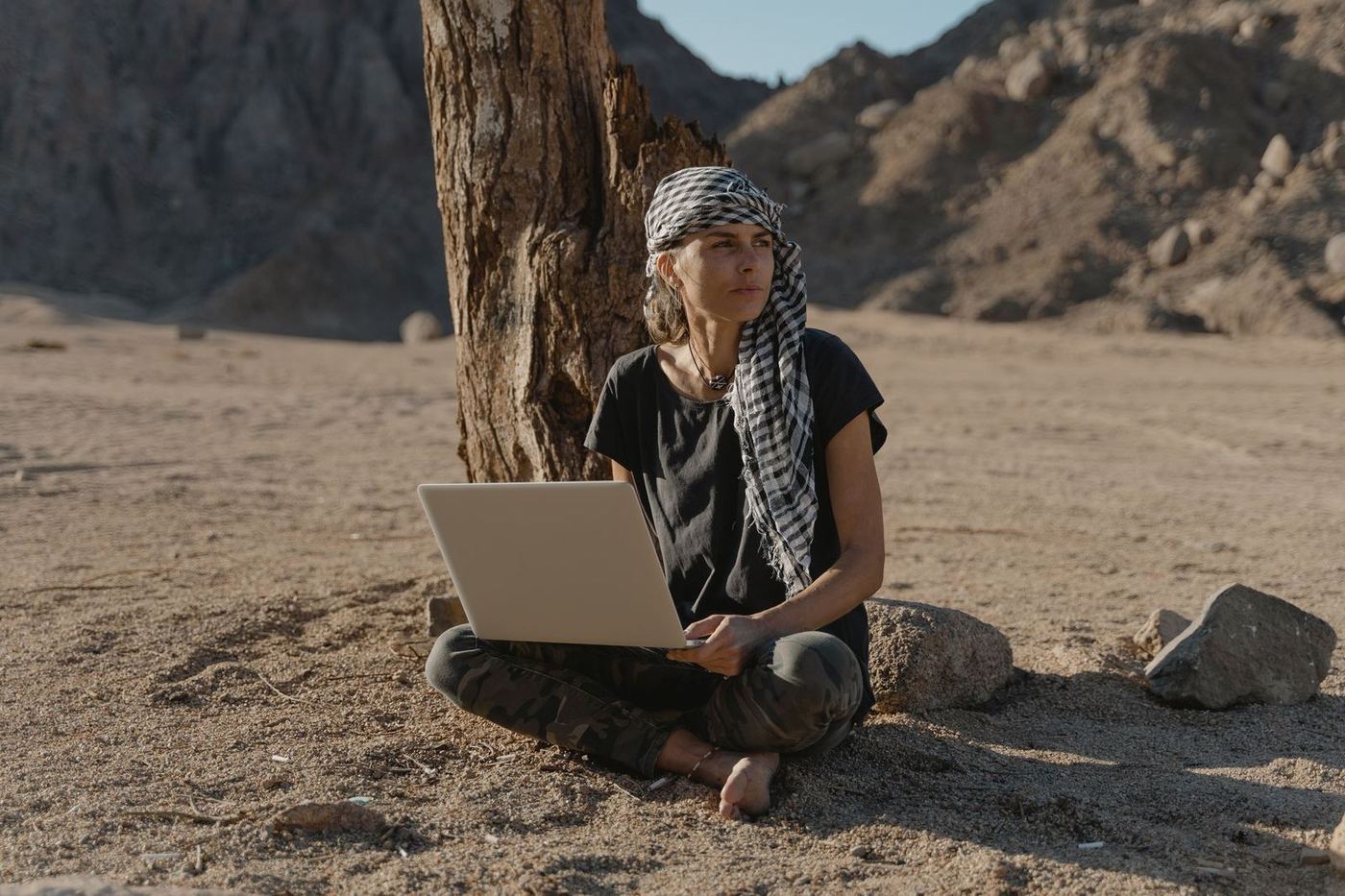
Global Study Pinpoints Nomad Challenges
International eSIM provider Holafly has published its 2026 Digital Nomad Friction Index, a comprehensive study examining the practical difficulties remote professionals encounter when establishing themselves in new countries.
The index, which evaluated 17 global destinations, revealed that administrative complexities and inconsistent internet access are the most significant barriers.
Metin Kastro, Holafly's Chief Operating Officer, stated that while arrival in a country is often straightforward, the subsequent bureaucratic processes, lost working hours, and unstable connectivity frequently lead to burnout among remote workers. The findings aim to inform both digital nomads planning moves and destinations looking to attract this growing demographic.
Bureaucracy and Connectivity Create Friction
The Holafly study detailed several specific friction points, including the need for address registration, obtaining local tax identification numbers, securing residence permits, and proving sufficient income. Opening a local bank account presented a notable challenge, particularly for those without formal residency.
These requirements often demand multiple appointments and extensive paperwork, consuming valuable time. The financial impact is substantial, with nearly 47% of respondents reporting lost billable hours or income due to travel disruptions.
Emotionally, the strain is also evident: 89.1% of those experiencing burnout attributed it to overwhelming bureaucratic responsibilities, while 86.5% cited significant anxiety from unreliable internet connections. Healthcare access and exposure to natural disasters were also considered contributing factors to overall friction.
Varying Ease Across Destinations
The index identified significant differences in ease of settlement across the evaluated countries. Georgia received the lowest friction score, making it the most straightforward destination for remote workers.
This was attributed to the absence of mandatory residence registration or local tax identification requirements, alongside the ability for foreign nationals to open bank accounts quickly using only their passports.
In contrast, Colombia recorded the highest overall friction score, primarily due to mandatory foreigner registration, local tax identification requirements, banking difficulties, and higher exposure to natural disasters. Mexico followed as the second most challenging, with opening a bank account without formal residency posing a major obstacle.
European Union countries included in the research universally required address registration and a local tax identification number, adding administrative steps. Germany ranked third for administrative friction, with Spain, Bulgaria, Croatia, and Hungary also appearing among the top ten most challenging destinations.
Implications for Asia's Digital Nomad Hubs
For Asian nations such as Thailand, Indonesia, and Vietnam, which are actively developing their appeal to digital nomad populations, the insights from Holafly’s index offer concrete guidance. The study shows that simply offering a digital nomad visa is insufficient; the post-arrival administrative environment is equally critical.
To reduce friction, these countries could explore simplifying local bank account opening procedures, streamlining address registration, and ensuring robust, high-speed internet infrastructure, drawing lessons from low-friction examples like Georgia.
Addressing these practicalities will be crucial for Asian destinations to compete effectively and retain remote workers, transforming initial interest into sustained stays and economic contribution. This approach moves beyond initial entry to focus on the overall living and working experience for this demographic.
Get The Post.
The global travel stories that matter, three mornings a week. Free.


