Hoshino Resorts Tomamu Extends Tourism Season with Unkai Terrace
The Hokkaido ski resort transformed its off-peak months into a significant draw, building on a two-decade-old initiative by its maintenance team.
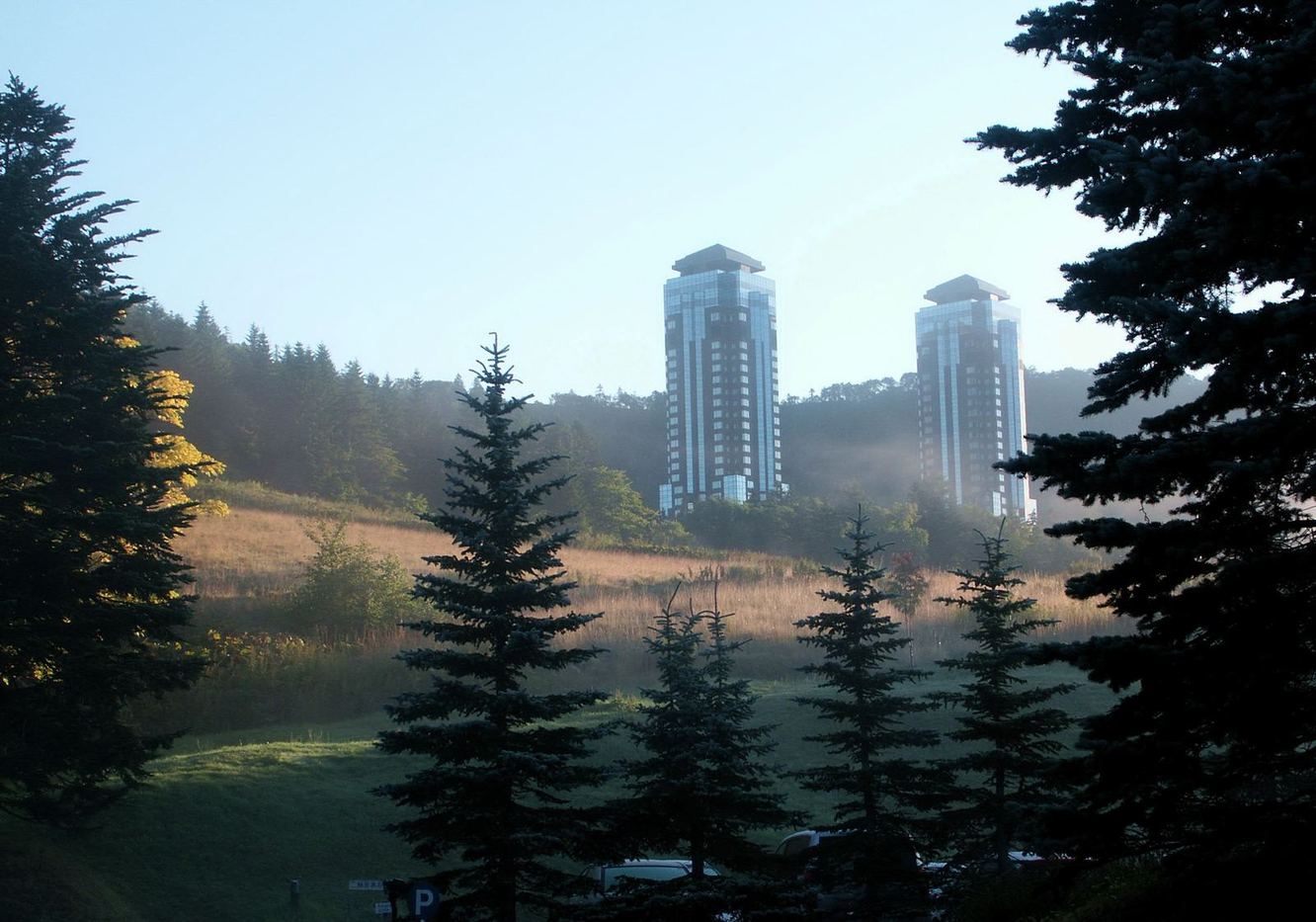
Hokkaido Resort Boosts Off-Season Visits
Hoshino Resorts Tomamu, located in Shimukappu, Hokkaido, has successfully drawn visitors outside the traditional winter ski period. According to the resort, this achievement is attributed to its Unkai Terrace, an attraction that capitalises on natural cloud formations.
The resort stated that this initiative, which began as a trial project 21 years ago, has become a key element in its year-round visitor strategy, allowing it to maintain a steady flow of guests even when ski slopes are inactive.
Two Decades of Development
The Unkai Terrace project originated from a trial concept developed by the resort’s maintenance staff. Hoshino Resorts Tomamu reported that the precursor, known as Yama no Terrace (Terrace on the mountain), first opened in July 2005.
This initial effort involved clearing land and trimming foliage to create a viewing platform, designed to allow guests to observe the surrounding natural beauty, particularly the spectacular 'sea of clouds' phenomenon that occurs under specific weather conditions.
Shifting Visitor Patterns
The development of Unkai Terrace has allowed Hoshino Resorts Tomamu to diversify its appeal beyond winter sports. By offering a distinctive natural attraction during warmer months, the resort has managed to balance its seasonal visitor numbers.
This strategy has helped to sustain operations and employment throughout the year, turning what was historically a quieter period into a busy one for the Hokkaido property and ensuring a more consistent revenue stream for the business.
Implications for Asian Destinations
The success of Hoshino Resorts Tomamu provides a practical model for other Asian destinations seeking to mitigate seasonal tourism fluctuations.
Resorts in regions like the Korean Peninsula or mountainous areas of China, often reliant on specific seasonal activities such as skiing or summer hiking, could consider developing unique natural or cultural attractions to extend their operational calendars.
This approach may help distribute tourist traffic more evenly and generate consistent revenue streams, benefiting local economies and the broader hospitality sector across Asia.
Get The Post.
The global travel stories that matter, three mornings a week. Free.


