Four Seasons, Hotel Brands Enter Luxury Cruises, Lines Upgrade
Hotel groups are launching bespoke yacht services that emulate high-end hotel stays, expanding the luxury cruise sector. Established lines are enhancing fleets and amenities.
Luxury Cruising Sector Expands with New Entrants
The luxury cruising sector has seen significant expansion over the past few years, moving beyond traditional ocean voyages. Travellers seeking high-end amenities now have a wider selection, including expedition vessels navigating polar regions, opulent river ships sailing waterways such as the Amazon and Mekong, and new superyachts.
These vessels aim to replicate the exclusive services found in top-tier hotels, offering features like personal butlers and multi-storey penthouses. This year, a notable trend involves hotel brands, rather than established cruise operators, constructing ultra-luxe yachts.
These new ships carry fewer passengers, creating an atmosphere closer to a private charter or a floating hotel, with careful attention to dining and design. Scheduling patterns are also evolving, with many luxury lines extending Mediterranean itineraries into the shoulder season and even winter months, thereby increasing the availability of high-end voyages throughout the year. This shift provides more options for discerning travellers seeking premium maritime travel.
Hotel Groups Launch Bespoke Yacht Services
Several prominent hotel brands are entering the luxury yacht market with distinct offerings. Aman at Sea is preparing to launch its 94-passenger Amangati in spring 2027, which is now open for reservations.
This vessel reflects Aman's design principles of space and privacy, featuring a two-deck spa with a Japanese serenity garden, host suites for personal service or security staff, and two helipads. Four Seasons Yachts debuted its 95-suite, residential-focused Four Seasons I in March 2026, maintaining a one-to-one passenger-to-crew ratio.
The 79-suite Four Seasons II is scheduled to arrive in May 2028 for further Mediterranean sails, offering two-to-four-bedroom suites on upper decks and 11 culinary concepts, though only breakfast is included in the fare.
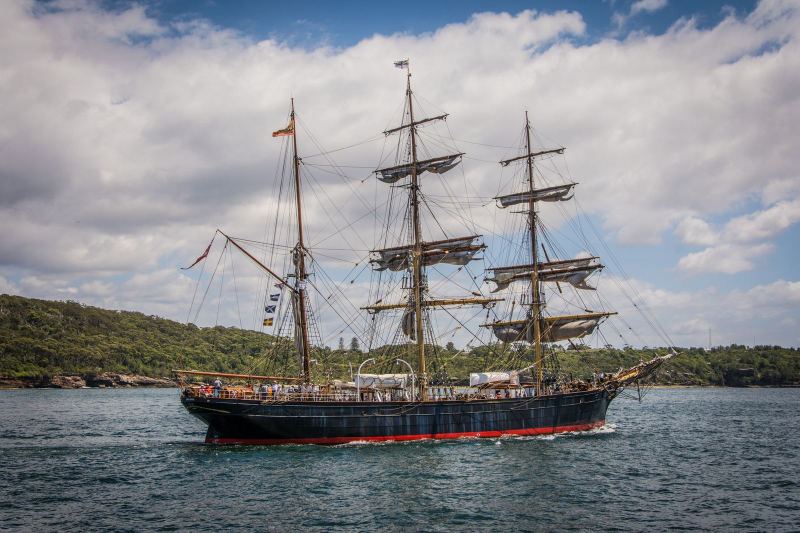
Amenities include late stays and overnights in ports, well-being programmes such as the Lanserhof Reset on the November inaugural transatlantic crossing, and personalised shore excursions. Orient Express Sailing Yachts features bespoke ships with three automated rigs capable of 100% wind-powered propulsion under favourable conditions.
The 54-suite Orient Express Corinthian, with five restaurants under chef Yannick Alléno, is sailing the Mediterranean until autumn this year, with its twin, Orient Express Olympian, setting sail next spring. The Ritz-Carlton Yacht Collection operates three all-suite, all-inclusive ships: the 149-suite Evrima, the 224-suite Ilma, and the 226-suite Luminara.
Each ship provides five restaurants, a marina for watersports, menus from Michelin-star chefs, personalised spa therapies, and high-end boutiques.
Established Lines and Expedition Fleets Enhance Offerings
Existing luxury cruise lines are also making adjustments to meet contemporary traveller demands. Regent Seven Seas Cruises is reducing passenger counts on its Explorer Class ships to enlarge cabin sizes and plans to unveil the Seven Seas Prestige ship in December this year. Seabourn will soon announce a fleet-wide overhaul of its culinary programmes.
Crystal, which has rebranded by removing 'Cruises' from its name, is preparing the new-build Crystal Grace for June 2028. Luxury is also extending to expedition ships. Silversea applies its all-suite, butler-serviced, complimentary caviar approach to four exploration vessels, including the 100-passenger Silver Origin, which operates exclusively in the Galapagos.
Scenic Luxury Cruises & Tours, which currently sails two 228-passenger yachts capable of polar cruising, will debut the 270-passenger Scenic Ikon in April 2028. This new vessel will feature two helicopters, a submersible, and 15 dining venues.
French line Ponant operates the 245-passenger Le Commandant Charcot, noted as the only luxury icebreaker at sea, capable of reaching the true North Pole and offering Le Nuna, an Alain Ducasse fine-dining restaurant. Ponant also maintains six bilingual explorer ships for warmer climates.
Seabourn sails the 264-passenger Seabourn Venture and its twin, Seabourn Pursuit, both PC6 Polar Class expedition ships equipped with two submarines each for remote itineraries.
Implications for Travellers and the Industry
The convergence of hotel and cruise sectors, driven by new entrants and upgrades from established operators, presents a significantly expanded landscape for luxury travel. For travellers, this means a broader selection of high-end maritime options, ranging from intimate yacht charters to adventurous polar expeditions, all with hotel-grade amenities and personalised service.
The extension of sailing seasons, particularly in regions like the Mediterranean, provides more flexibility for planning voyages throughout the year. For the travel industry, this trend intensifies competition within the luxury segment, compelling all players to innovate in ship design, culinary offerings, and unique itineraries.
The entry of major hotel brands into cruising demonstrates a strategic diversification, blurring traditional boundaries between hospitality sectors and setting new benchmarks for premium travel experiences at sea. Industry stakeholders will observe how these new models influence pricing structures and market share in the coming years.
Get The Post.
The global travel stories that matter, three mornings a week. Free.