IATA Survey Reveals Tech Adoption, Entry Hurdles for Global Travellers
The International Air Transport Association's 2026 Global Passenger Survey, released 29 October, shows travellers embracing biometrics and AI, but complex immigration rules deter destination choices.
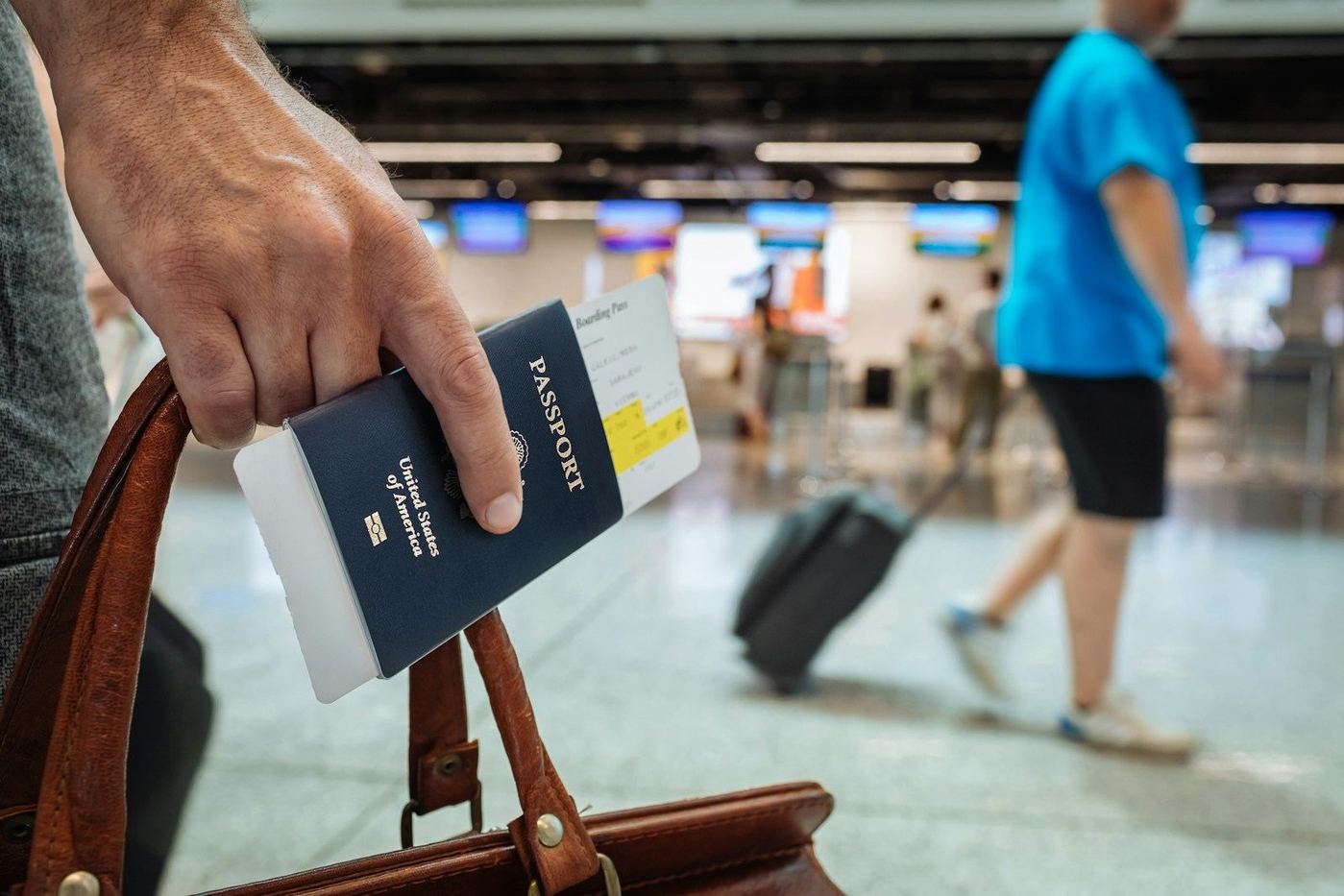
Global Travellers Embrace Biometrics and AI
The International Air Transport Association (IATA) released the results of its 2026 Global Passenger Survey (GPS) on 29 October 2026, highlighting significant trends in passenger expectations and behaviour. The worldwide survey shows a strong and growing acceptance of technology within the travel sector.
Passengers are increasingly adopting biometric identification to reduce repetitive document checks and express considerable interest in using digital passports for streamlined check-in and to access personalised services during booking.
Furthermore, artificial intelligence (AI) is now a mainstream tool in travel planning, assisting passengers with tasks ranging from finding optimal flights and comparing fares to discovering new destinations, fundamentally changing how trips are organised.
Entry Requirements Remain a Key Barrier
Despite the widespread embrace of technological solutions, the IATA survey identifies a persistent and growing challenge: complex entry requirements. An increasing number of passengers reported that stringent immigration and visa processes have actively discouraged them from visiting specific destinations.
Nick Careen, IATA's Senior Vice President, Operations, Safety and Security, noted this dichotomy, stating that while technology enhances the ease of travel planning and airport experiences, many travellers continue to encounter significant obstacles due to intricate immigration and visa procedures. He emphasised the need for governments to address these barriers.
Asia Urged to Simplify Cross-Border Rules
Mr. Careen called upon governments globally to simplify entry regulations, eliminate redundant document checks, and accelerate the issuance and acceptance of secure digital travel credentials. For Asian markets, these findings are particularly pertinent.
While major Asian aviation hubs, such as Singapore Changi and Seoul Incheon, have been proactive in implementing advanced biometric systems to improve passenger flow, the survey's emphasis on immigration barriers suggests that administrative complexities in some Asian nations could hinder the full potential of inbound tourism growth.
Governments across the region are encouraged to review and streamline their entry policies to align with travellers' increasing preference for digital solutions and foster more frictionless cross-border movement, attracting more visitors.
Get The Post.
The global travel stories that matter, three mornings a week. Free.