Icelandair Retires Northern Lights Boeing 757 After 31 Years
The unique hand-painted Boeing 757-200, TF-FIU, known for its distinctive Northern Lights livery, has been dismantled, marking the end of its 31-year operational life.
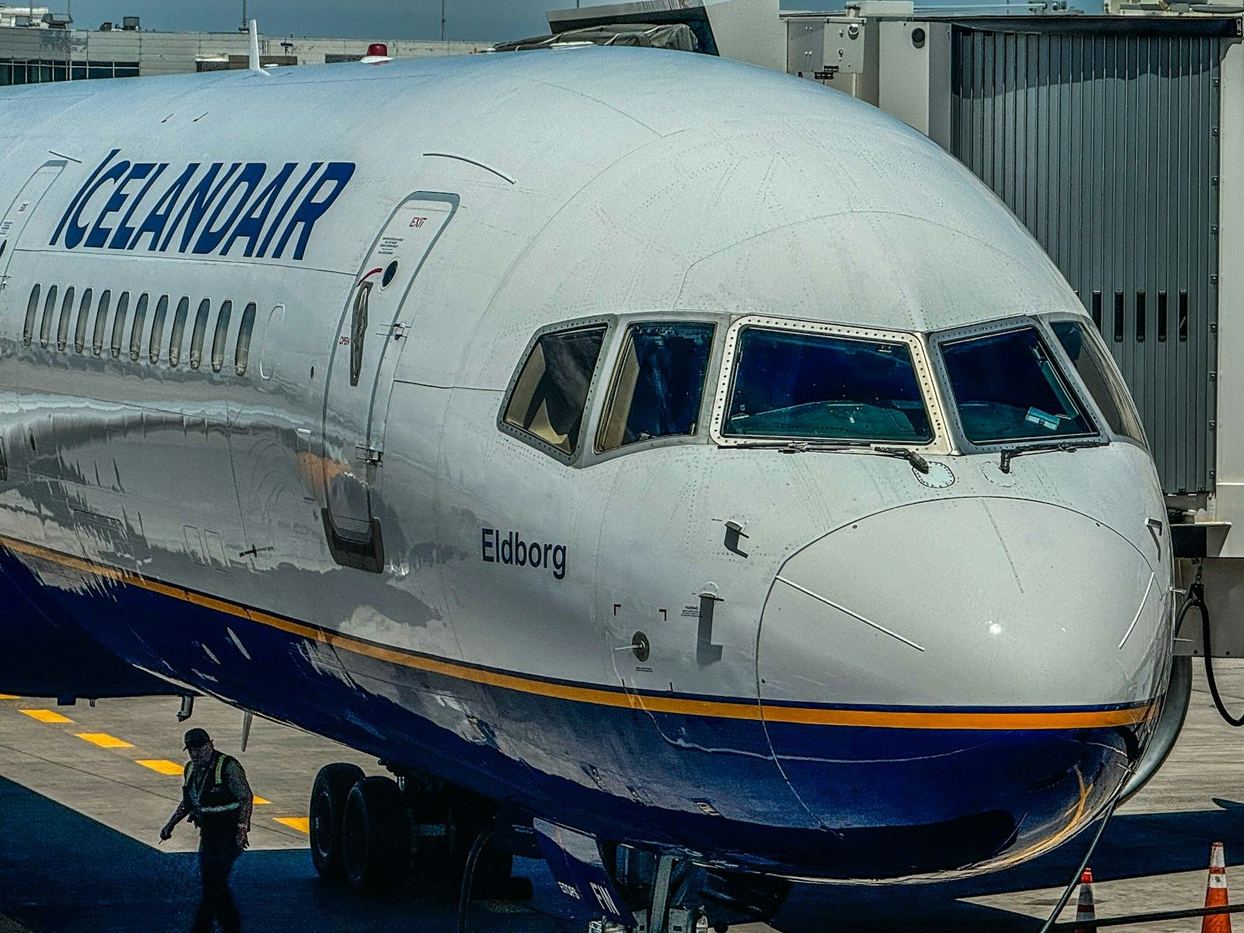
The End of an Icon
Icelandair's distinctive Boeing 757-200, registered TF-FIU and celebrated for its hand-painted Northern Lights livery, has been dismantled for parts. This action concludes 31 years of continuous service for the aircraft, which was a prominent feature in transatlantic aviation marketing.
Known as a highly effective "flying billboard", the twinjet played a central role in Icelandair's international strategy, particularly in promoting Iceland as a stopover destination. Its retirement marks a significant moment for the carrier and aviation enthusiasts globally, as the airframe has now been reduced to scrap metal in a teardown facility. This decision to dismantle rather than preserve the widely recognised aircraft has surprised many within the industry.
A History of Service and Transformation
Before its iconic transformation, TF-FIU, line number 603, was originally delivered to Spanish flag carrier Iberia in July 1994, according to Planespotters.net. Under registration EC-609, it operated medium-haul European routes for a decade.
Icelandair acquired the aircraft in 2004 as part of its expansion efforts, deploying it on demanding North Atlantic routes from Keflavík International Airport (KEF) between Europe and North America. In late 2014, Icelandair leadership selected TF-FIU for a unique conversion.
A team of international airbrush artists meticulously applied three layers of shimmering green, purple, and blue paint to the fuselage, replicating the aurora borealis. Inside, a bespoke LED lighting system projected dancing auroras across the cabin ceiling.
The transformed jet made its maiden flight on 4 February 2015, immediately becoming a centrepiece of the transatlantic stopover campaign.
Maintenance Challenges and Efficiency Drive Retirement
Maintaining the hand-painted Northern Lights livery presented a significant challenge, requiring touch-up work after every heavy maintenance check due to exposure to high-altitude ultraviolet radiation, subarctic ice, and jet fuel exhaust.
As the airframe approached its third decade, the financial viability of sustaining both the intricate artwork and the aging mechanics became unsustainable. Furthermore, the economic realities of fuel efficiency influenced Icelandair's decision.
Operating a 30-year-old Boeing 757-200 on transatlantic routes required substantial capital investment for heavy structural checks and Rolls-Royce RB211 engine overhauls.
Modern alternatives, such as the Boeing 737 MAX 8 and Airbus A321LR, consume up to 30% less fuel per passenger seat while offering comparable range profiles, making them a more cost-effective choice for carriers.
Asian Fleets Reflect Global Trends
The retirement of Icelandair's 757 mirrors a broader global trend where airlines are modernising their fleets to enhance operational efficiency and reduce environmental impact. For Asian carriers, this shift is particularly pronounced, with many investing heavily in new-generation narrowbody aircraft for both short-haul and medium-haul routes.
Airlines like Singapore Airlines, Cathay Pacific, and ANA are phasing out older models in favour of the Airbus A320neo family, Boeing 737 MAX series, and the Airbus A321LR/XLR.
This strategic move allows them to operate more cost-effectively on routes previously served by less efficient aircraft, potentially leading to increased route frequencies or the opening of new destinations. The drive for fuel savings and lower emissions will see more Asian airlines announce similar fleet updates in their 2027 financial outlooks.
Get The Post.
The global travel stories that matter, three mornings a week. Free.