Incheon International Airport Leads Global Hubs in H1 2026 International Passenger Traffic
South Korea's Incheon International Airport processed 38.39 million international passengers in the first half of this year, surpassing London Heathrow and Singapore Changi. This volume demonstrates its growing prominence as a key aviation gateway in Northeast Asia.
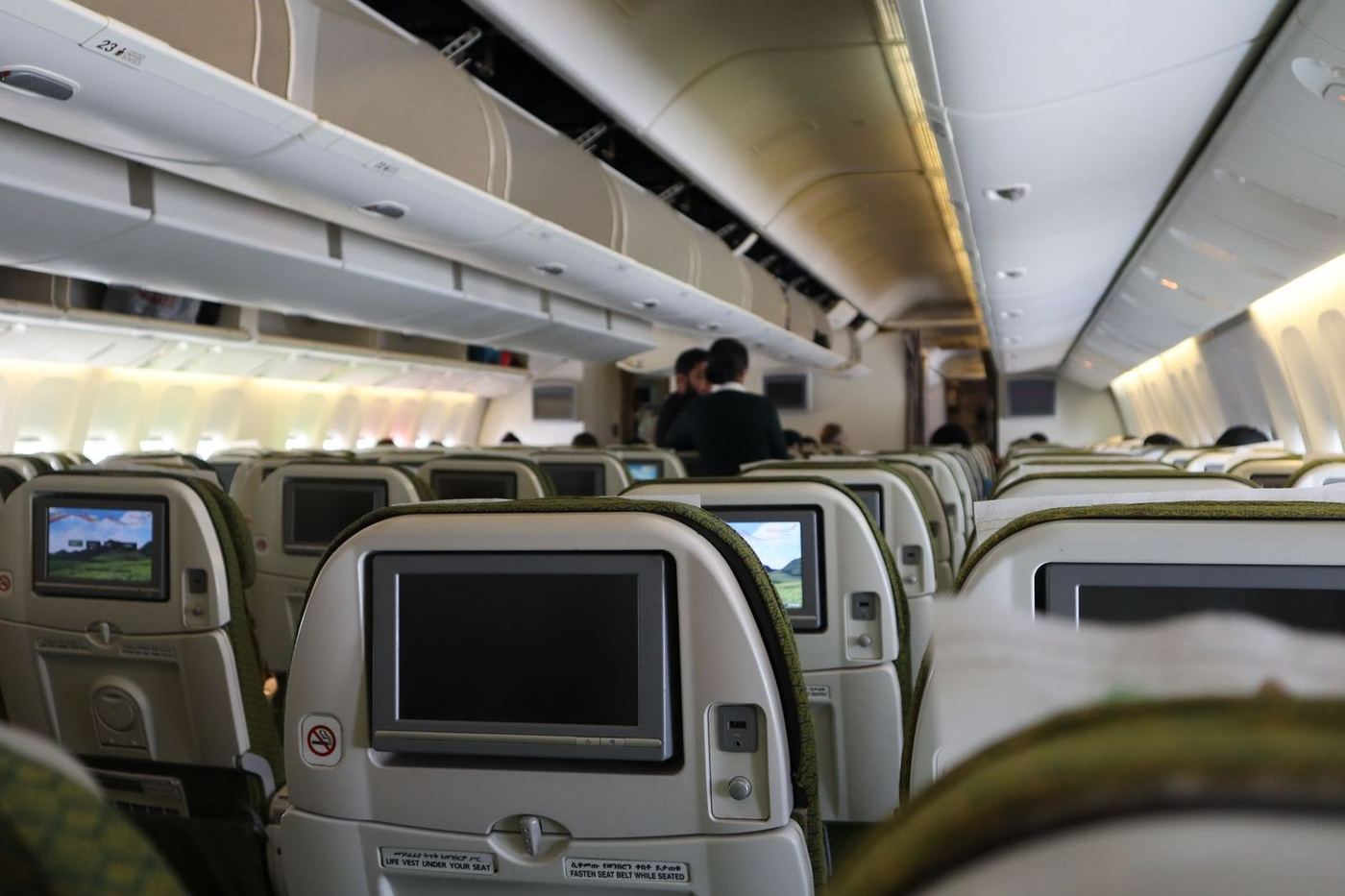
Incheon Tops International Passenger Volumes
South Korea's Incheon International Airport handled 38.39 million international passengers during the first half of this year. This figure represents a 6.3% increase compared to the same period last year. The volume positions Incheon ahead of other major global aviation hubs. London Heathrow Airport processed 37.79 million international passengers.
Singapore Changi Airport recorded 34.53 million during the same timeframe. These international passenger traffic statistics were compiled by Airports Council International (ACI).
Consistent Growth and Strategic Development
Incheon's current performance follows a period of consistent growth. The airport ranked second globally in the 2026 Skytrax World Airport Awards, behind Singapore Changi. Historically, Incheon was 10th globally for international passenger traffic upon its opening in 2001. It climbed to fifth place by 2018 and reached third in 2024.
This trajectory reflects South Korea's long-term policy of developing the airport. The Korea Times reported this strategy aims to establish Incheon as a primary gateway to Northeast Asia. Its increasing capacity supports regional and global air travel connectivity.
Factors Driving Increased Traffic
Several factors contribute to Incheon's rising passenger numbers. South Korea has observed a surge in inbound tourism, particularly from China and Japan. This influx directly impacts airport traffic. Additionally, The Korea Herald reported that some airlines have rerouted flights. They are avoiding Middle Eastern hubs due to ongoing conflict between the United States and Iran.
This shift diverts more air traffic through alternative Asian gateways. Foreign travellers accounted for 44.4% of Incheon's total passenger traffic in the second quarter of this year. This marks a record high, up from 39.5% a year earlier.
Implications for Global Aviation
Incheon International Airport operates on 5,400 hectares of reclaimed land. It features four runways and two main passenger terminals, alongside extensive logistics facilities. Its leading position in international passenger movement holds significant implications for the global aviation sector.
For airlines, Incheon's growth may influence route planning and network expansion strategies across Asia. The airport’s rise reinforces South Korea's standing as a crucial market and transit point. Travellers can anticipate enhanced connectivity and potentially more direct flight options via Incheon.
Industry stakeholders will monitor how competing hubs respond to this shift in traffic dynamics. Geopolitical stability in regions like the Middle East will also continue to shape global air traffic flows.
Get The Post.
The global travel stories that matter, three mornings a week. Free.