International Air Travel with Infants: Essential Preparations for Families
Planning international trips with babies and toddlers presents specific challenges for parents, particularly concerning air travel and safety. Careful preparation, from accommodation checks to in-flight protocols, can mitigate concerns and facilitate a smoother journey for families, according to paediatricians and travel specialists.
Pre-Trip Planning: Accommodation and Ground Transport Safety
Before booking accommodation, families travelling with young children should verify the availability of baby-proofing items such as portable playpens, cribs, and high chairs. Properties with stairs, balconies, or pools require inquiries about safety gates; if not provided, parents may consider renting them locally or bringing travel-friendly mesh gates.
Packing electrical outlet covers and cleaning wipes for surfaces children might touch is also advisable. For infants under one year, safe sleeping remains paramount even on holiday. The American Academy of Pediatrics recommends placing children on their back on a flat, firm surface, such as a bassinet, crib, or playpen mattress, using only a fitted sheet.
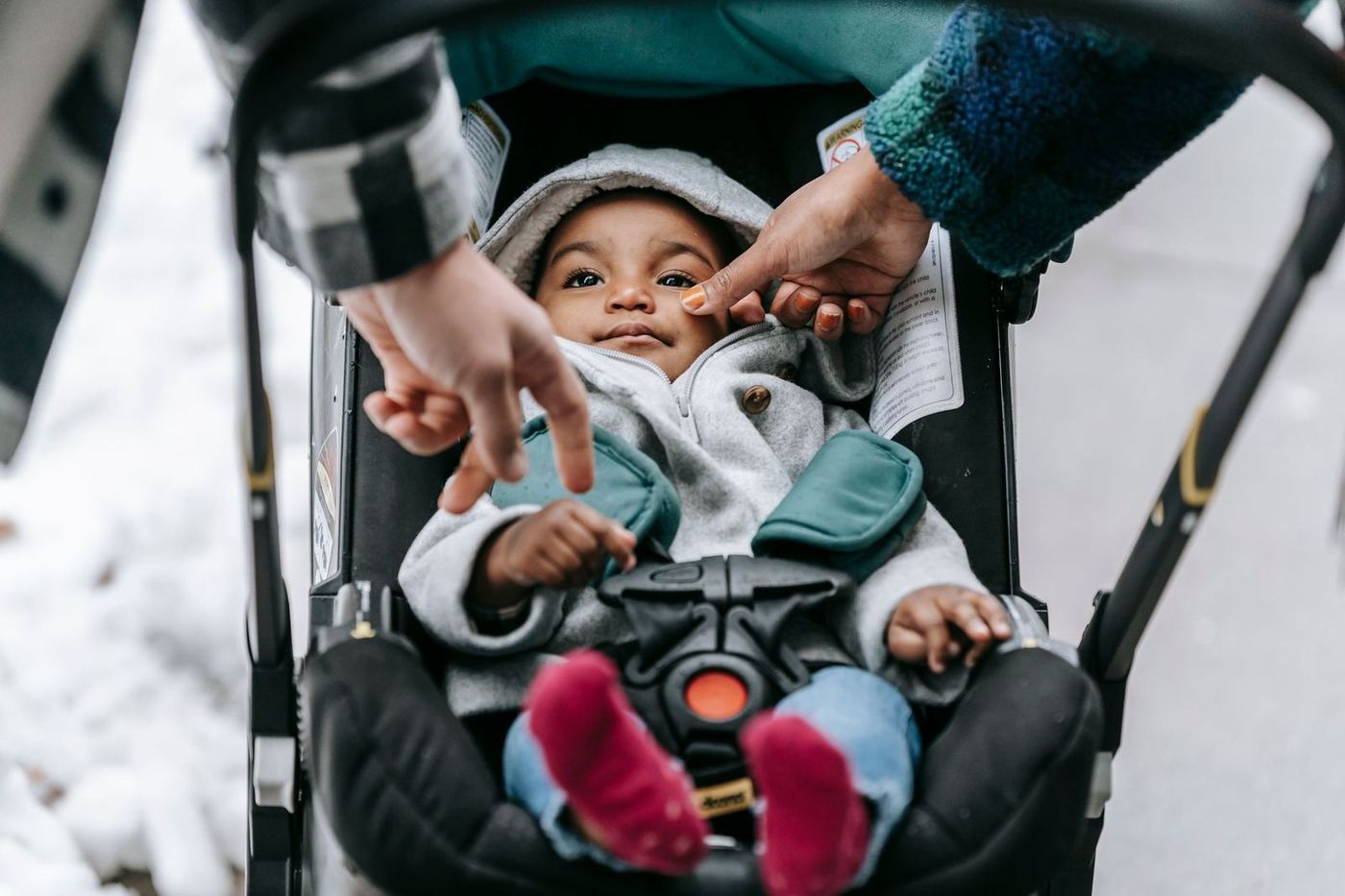
The organisation further advises that infants sleep in the parents' room, though not in the parents' bed, for at least the initial six months. Ground transport logistics also warrant consideration: whether to bring a stroller and car seat, which can be gate-checked free of charge on flights, or to rely on a sling or baby carrier.
Air Travel Protocols and In-Flight Comfort
Air travel with young children can appear daunting, notes Dr. Shannon Thompson, a paediatrician at Cleveland Clinic Children's, who stresses the importance of safety and comfort.
While children under two years may fly on a parent's lap, the Federal Aviation Administration (FAA) advises securing them in their own safety seat, such as a car seat certified for aircraft use, which necessitates purchasing an additional seat. For extended or international flights, airlines may offer bassinets upon request.
The Transportation Security Administration (TSA) classifies breast milk, formula, and puree pouches for babies and toddlers as medically necessary liquids. These are therefore exempt from the standard 100-millilitre carry-on liquid limit, as are ice packs used to keep such items cool. Travellers should inform TSA officers about these items during security screening.
To alleviate ear pressure during take-off and landing, nursing infants or providing a bottle or pacifier can assist. Parents of children prone to ear infections should consult their paediatrician beforehand, and also inquire about recommended vaccinations for international travel.
In-Flight Necessities and Destination Engagement
Beyond food and drink, essential carry-on items for flights with young children include nappies, wipes, a portable changing pad, and sealable plastic bags for disposal. Bringing extra layers of clothing or a change of outfit is prudent for unexpected spills or accidents.
Christy Slavik, owner of Mom Approved Travel, suggests packing small, lightweight surprises to distract children during flights, such as sticky mats for travel-sized play dough or suction cup toys. Once at the destination, parents can make sightseeing more engaging and interactive.
For visits to art museums, for instance, Slavik recommends bringing notebooks for children to draw in or asking them to identify animals in paintings. She emphasises that children require a sense of purpose and games, encouraging creative approaches to keep them entertained while travelling.
Exposing children to different cultures, foods, and languages can also prove enjoyable, such as selecting snacks at local markets or learning foreign words for favourite dishes.
Family-Friendly Accommodation and Support Systems
Accommodation options increasingly cater to families, offering amenities such as swimming pools or games. Budget-conscious international travellers may find private rooms in hostels suitable for families, avoiding shared dormitory settings. Both hotels and hostels provide opportunities for children to meet other young travellers and make new playmates.
A core objective for Mom Approved Travel is to help parents relax and enjoy their holidays, mitigating the stress often associated with planning and travelling with children. One practical approach involves planning trips with grandparents or other family members.
This arrangement provides assistance with childcare duties, while also creating opportunities for loved ones to form special bonds with the children. Slavik advises ensuring that accompanying family members also have sufficient personal time to avoid exhaustion, noting that bringing grandparents on a holiday offers them the chance to share these moments together.
Get The Post.
The global travel stories that matter, three mornings a week. Free.