Istanbul Travel Guide: Historic Sites and Local Neighbourhoods for Global Travellers
Istanbul, Türkiye's largest city, bridges two continents, offering a deep historical narrative alongside vibrant daily life. This guide details key landmarks and authentic local areas for international visitors.
Istanbul’s Dual Identity and Diverse Appeal
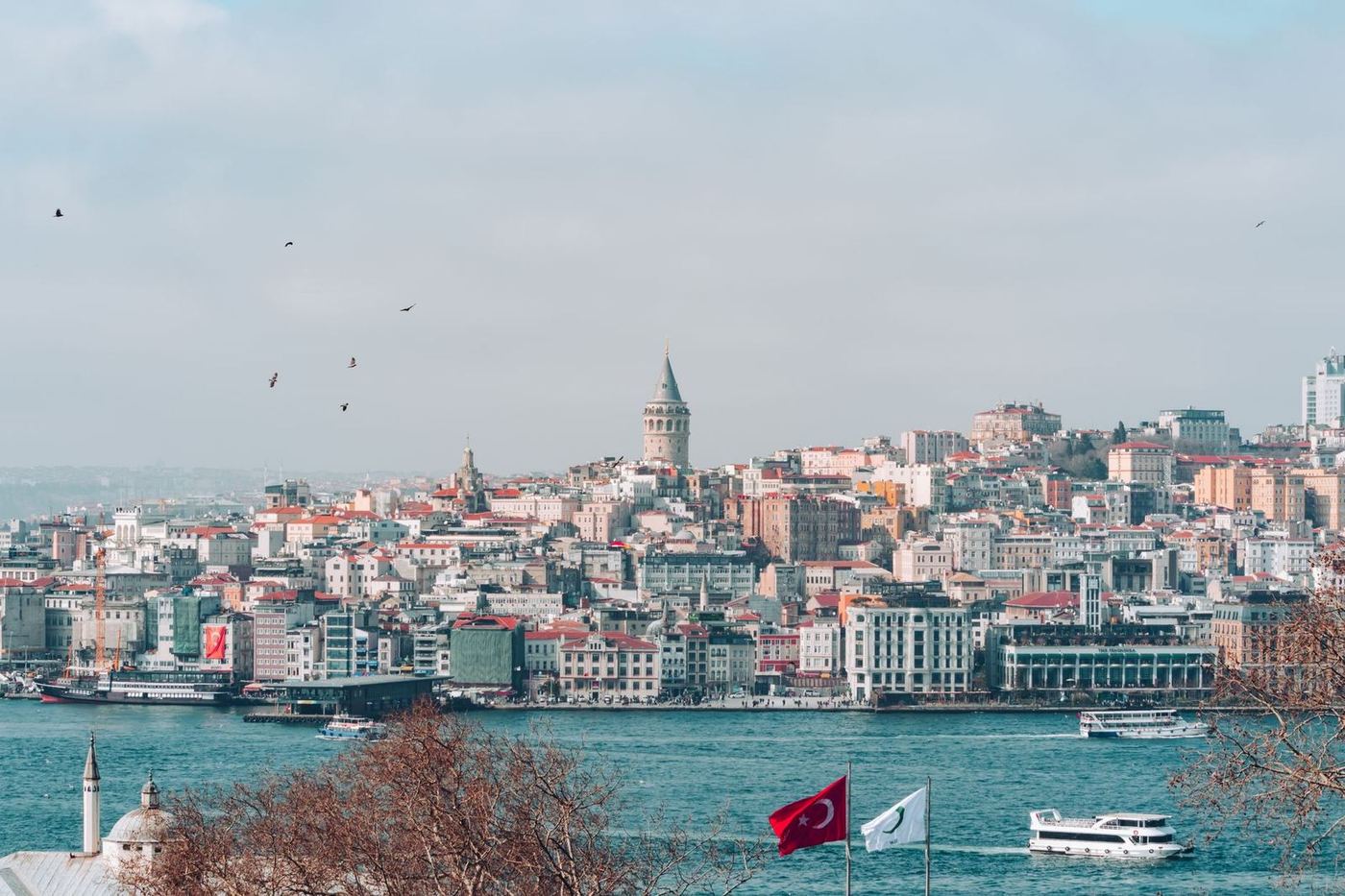
Istanbul, Türkiye’s most populous city, spans the Bosphorus Strait, connecting Europe and Asia. This unique geography fosters a diverse urban environment, home to nearly 16 million people. Its skyline blends contemporary architecture with historic domes, reflecting centuries of cultural layers.
For first-time visitors or those with limited time, the city presents numerous points of interest. While grand landmarks like the Grand Bazaar draw significant attention, Istanbul also offers quieter, more localised areas. These provide a grounded perspective on the city's daily rhythms, distinct from its monumental facades. Exploring both aspects allows for a comprehensive understanding of Istanbul’s character.
Ancient Grandeur: Hagia Sophia and Topkapi Palace
The Hagia Sophia stands as a testament to Istanbul’s complex past. Originally constructed in 537 AD under Emperor Justinian, it served as the world’s largest cathedral. In 1453, the Ottomans converted it into a mosque, adding four minarets and intricate tilework.
Visitors can observe Byzantine mosaics depicting the Virgin Mary and Emperor Justinian, alongside later Ottoman calligraphy. The site also features a museum, opened in 2023, behind the main building.
This museum, housed in the former Land Registry Office, provides additional historical context, displaying original mosaic fragments and digital reconstructions of the structure’s evolution. Topkapi Palace, situated above the Bosphorus in the Fatih district, functioned as the Ottoman Empire’s administrative centre for almost 400 years.
Its expansive courtyards feature tiled pavilions and gardens. The Imperial Treasury houses extraordinary jewels, including the Topkapi Dagger and the 86-carat Spoonmaker’s Diamond. The Sacred Relics Room contains items like the Prophet Muhammad’s cloak and sword.
The Harem, the sultan's private quarters, showcases lavish İznik tiles in vivid blues and reds, alongside ornate wooden lattices.
Subterranean History and Authentic Neighbourhoods
Adjacent to the Hagia Sophia, the Basilica Cistern offers a glimpse into ancient Byzantine engineering. Built in the sixth century under Emperor Justinian, this subterranean reservoir once supplied water to the Imperial palace. The vast space, measuring 106,000 square feet, is supported by 336 marble columns.
Today, a shallow pool covers the base, with atmospheric lighting creating an evocative setting. The structure remains remarkably intact, demonstrating a significant architectural feat. Beyond these major sites, Istanbul’s local neighbourhoods reveal a different facet of the city. Areas such as Bebek, Çukurcuma, and Cihangir provide a more intimate view of daily life.
Here, local shopkeepers engage with passersby, laundry hangs between buildings, and the aroma of home cooking permeates the streets. These districts offer a grounded perspective, demonstrating how the city lives rather than merely how it appears.
Practical Advice for Navigating Istanbul
Travellers planning a visit to Istanbul should allocate sufficient time to explore both its renowned landmarks and its quieter, local districts. While major attractions like the Grand Bazaar and Hagia Sophia merit extensive attention, the city’s backstreets and residential areas offer complementary insights.
Engaging with these less-frequented spots can provide a deeper appreciation for Istanbul’s cultural fabric. Visitors can expect to encounter diverse experiences, from historical exploration to contemporary urban life. Prioritising specific activities based on interest, such as delving into historical narratives or engaging with local communities, will enhance the overall visit. This balanced approach ensures a comprehensive understanding of Türkiye’s largest city.
Get The Post.
The global travel stories that matter, three mornings a week. Free.