Japan's Hokuriku Region Emerges as Quiet Alternative to Crowded Kyoto
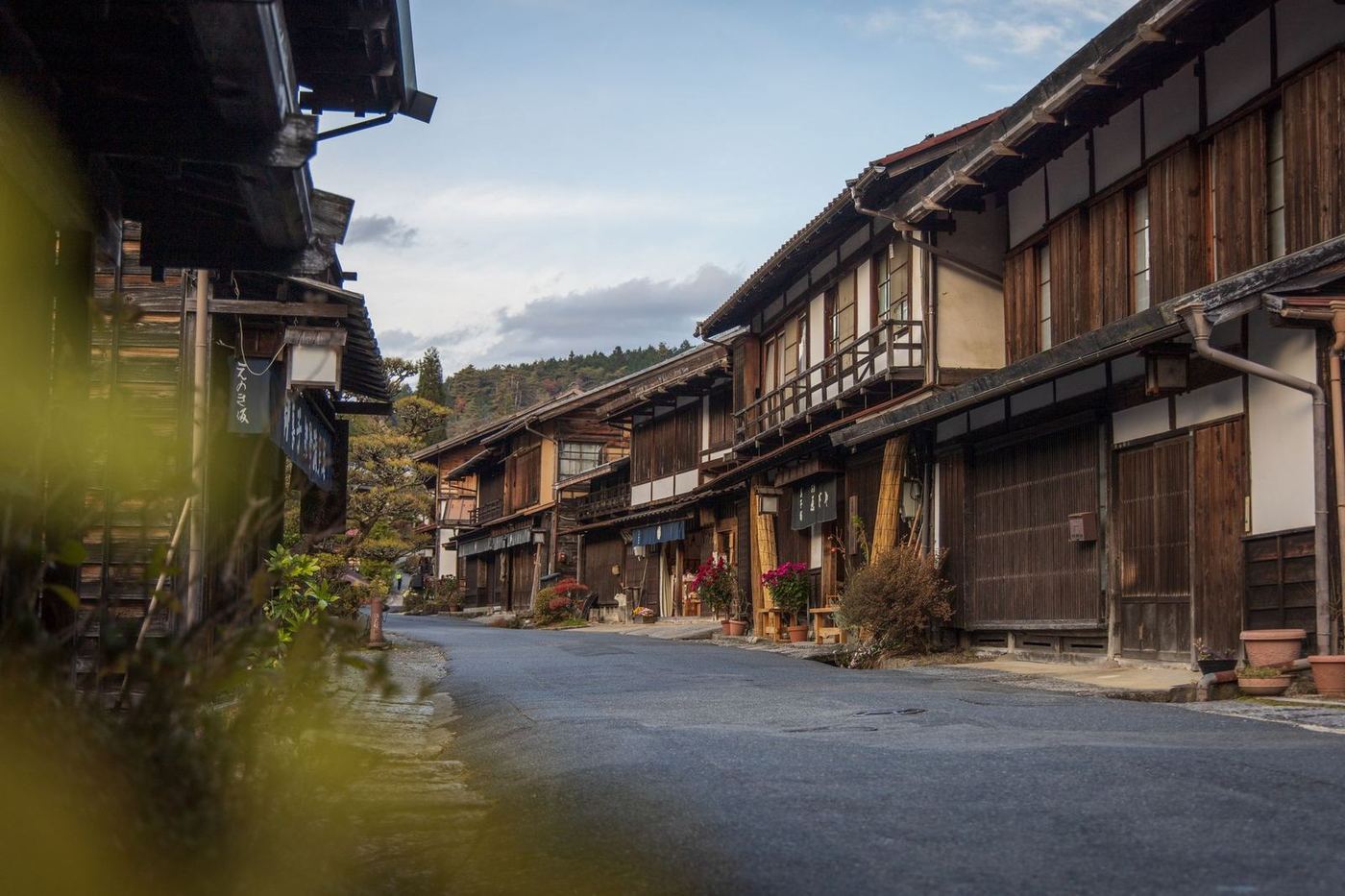
Japan's Hokuriku region, encompassing Ishikawa and Fukui prefectures, is gaining recognition as a destination for travellers seeking traditional Japanese culture away from major tourist centres. This area, known for its forested landscapes and historic temples, presents a stark contrast to the high visitor volumes experienced in cities like Kyoto.
Hokuriku Offers Respite from Over-Tourism
The Hokuriku region, located in northwestern Honshu and comprising Ishikawa and Fukui prefectures, provides a less congested option for visitors to Japan. By 2023, Kyoto recorded over 75 million annual visitors, leading to significant crowding in its temples and dining establishments.
In comparison, Yamanaka Onsen, a hot-springs resort in Ishikawa prefecture with a 1,300-year history as a Japanese pilgrimage site, registered barely 36 foreign visitors daily in 2023.
Fukui prefecture also saw low international arrivals, ranking 46th out of Japan's 47 prefectures in a recent Japanese magazine assessment for 2023, receiving fewer than one foreign visitor for every 600 arriving in Tokyo.
This disparity highlights Hokuriku's appeal for those prioritising tranquillity and authentic cultural engagement over popular, often overcrowded, tourist routes.
Traditional Hospitality and Artisan Craftsmanship
Within Ishikawa prefecture, the Kayotei ryokan in Yamanaka Onsen exemplifies traditional Japanese hospitality. Established nearly 50 years ago by Masanori Kamiguchi, 93, who transformed his father's multi-storey hotel into an intimate 10-suite hostelry, Kayotei focuses on the region’s traditional arts.
The inn maintains affiliations with approximately 30 artisans across Yamanaka and Fukui prefectures, allowing guests to visit some of these craftspeople. Examples include a kombu sommelier, a local sake brewery, and master maki-e artist Takeshi Matsuyama, known for applying gold powder to intricate lacquerware designs.
The ryokan’s general manager, Jiro Takeuchi, noted the property's direct connection to its natural surroundings, including ownership of the mountain where its tea is cultivated.
Modern Approaches and Local Integration
The region also shows modern adaptations of traditional lodging. Hanamurasaki, another high-end ryokan, is a sixth-generation establishment now managed by Kohei and Manami Yamada, a couple in their 30s who previously resided in San Francisco and Singapore, respectively. They are currently updating the inn with a contemporary interpretation of traditional design and service.
Beyond structured hospitality, the area fosters strong community ties. Author Hannah Kirshner, who wrote "Water, Wood & Wild Things" after moving to Yamanaka, observed deep local integration, with residents greeting her as one of their own.
This sense of community is further evidenced by informal gestures, such as shops offering goods for zero yen and older women providing free coffee at weekend markets, demonstrating a welcoming environment for newcomers.
Accessibility Drives Future Tourism Prospects
Despite its lower international visitor numbers, Yamanaka Onsen in Ishikawa prefecture is relatively accessible. It sits an hour south of Kanazawa, two hours by train from Kyoto, and three hours from Tokyo.
This proximity to major urban centres, combined with its appeal to travellers seeking quiet, traditional settings, positions the Hokuriku region as an increasingly viable alternative to Japan's more saturated destinations.
For the travel industry, the region presents opportunities for developing niche tourism that highlights local craftsmanship, serene natural environments, and authentic cultural engagement.
Operators and hoteliers in Hokuriku can attract a growing segment of international travellers who prioritise tranquility and deeper immersion in Japanese traditions over conventional tourist circuits.
Get The Post.
The global travel stories that matter, three mornings a week. Free.