Kamikochi Valley Provides Alpine Refuge in Japanese Alps Summer
Kamikochi, a highland valley in Nagano Prefecture's Japanese Alps, presents a cooler alternative for summer travel, featuring restricted vehicle access and established hiking routes amidst mountainous terrain.
Kamikochi: A High-Altitude Summer Destination
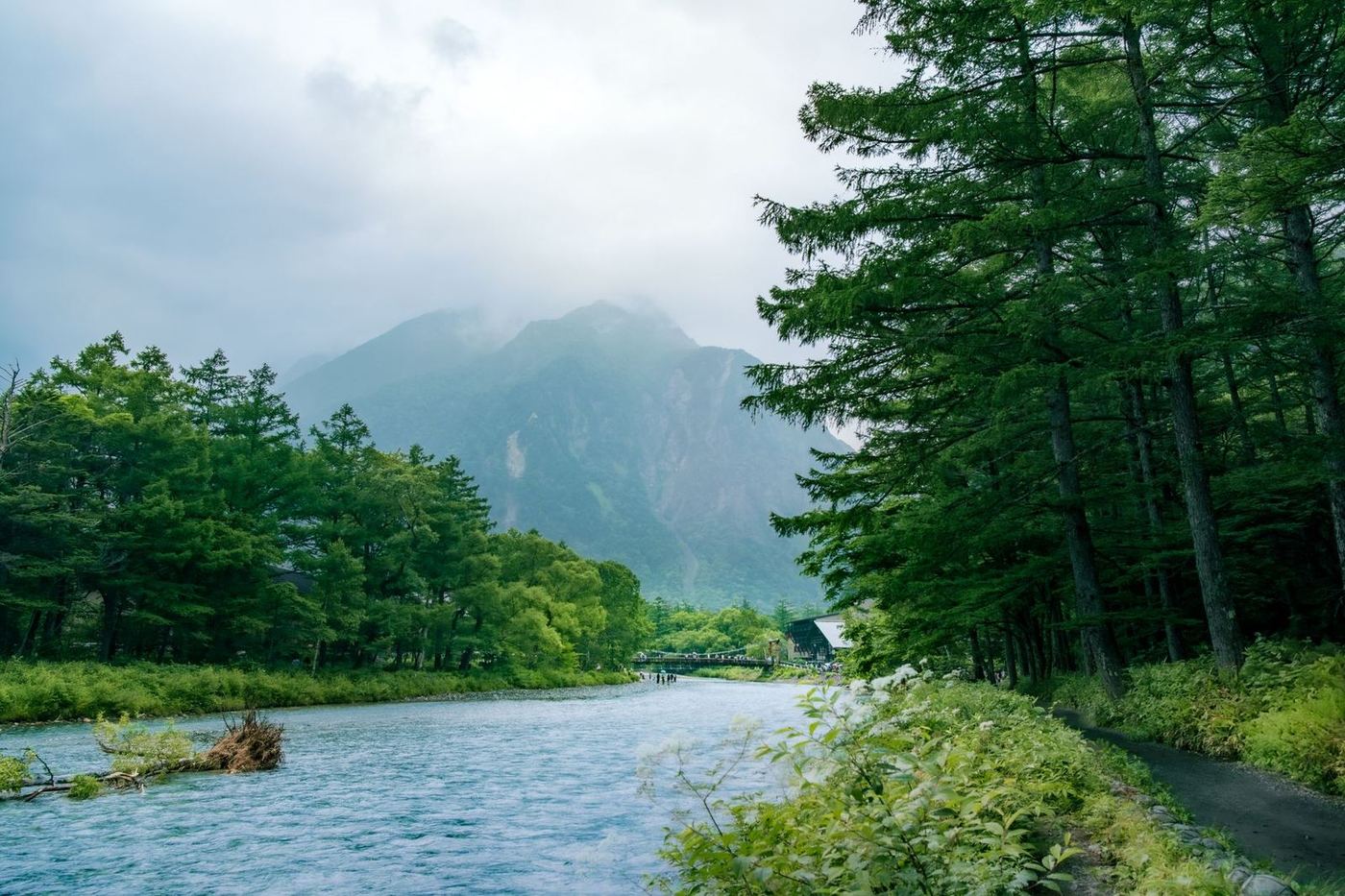
Kamikochi, a 15-kilometre valley situated along the Azusa River in Japan’s Hida Mountains, offers a distinct summer climate. Located within Chubu Sangaku National Park in Nagano Prefecture, the valley sits approximately 1,500 meters above sea level, surrounded by peaks that rise over 3,000 meters.
This high elevation maintains pleasant, crisp air during the summer months, contrasting sharply with the often-intense heat found across much of Japan’s lower regions. Access to Kamikochi is limited to a single road, which remains open annually from mid-April to mid-November.
Private vehicles are prohibited, with entry restricted to designated buses and taxis operating exclusively during daylight hours, as noted by observations from a recent visit. This controlled access helps preserve the natural environment of the remote valley.
Navigating Key Sites and Visitor Logistics
The wooden Kappabashi suspension bridge, spanning the Azusa River, functions as the central hub of Kamikochi. It is a consistently popular and often crowded location, with the main bus station, various shops, and restaurants situated within a short walk.
Most lodges are also located nearby, though more luxurious accommodations, such as the Imperial Hotel, are positioned further from the central activity. Several campsites also operate close to the valley’s core. Securing accommodation requires advance planning; a recent visitor reported booking their lodge in early March when reservations became available.
Fresh spring water is readily available for visitors at a square near the bus station. Throughout the valley, warning signs indicate the presence of Japanese black bears, and macaques are also observed along the trails.
Exploring Kamikochi's Natural Trails and Ponds
Beyond the central area, Kamikochi’s undeveloped sections provide numerous paths suitable for nature walks and light hiking. The Dakesawa Valley offers impressive views, particularly during sunrise, while the Dakesawa Marsh features boardwalks that provide a vantage point for clear water, lush trees, and a mountain backdrop.
Myojin Pond, located at the northeast end of the valley, is accessible via forested trails. This specific area charges an entrance fee of ¥500. Visitors can observe a torii gate and follow a path along the pond’s edge, where water cascades into small waterfalls. Taisho Pond marks the southwest end of the valley.
Dining options are available, though a restaurant near the Myojin Pond entrance can form substantial queues, even before its 10:00 opening time, as observed by a recent traveller.
Considerations for Travellers to Kamikochi
Travellers considering a visit to Kamikochi during its operational season, from mid-April to mid-November, should plan their trips carefully. Accommodation bookings, especially for the popular summer months, require significant advance notice; a recent visitor secured their lodge in early March.
Reliance on public transport, specifically buses and taxis, is mandatory for entry, necessitating adherence to their operating schedules. Visitors should budget for the ¥500 entrance fee to access the Myojin Pond area. Due to its popularity, expect significant foot traffic at central points like Kappabashi and around major attractions.
Awareness of local wildlife, including Japanese black bears, is advised, as indicated by warning signs throughout the valley. Kamikochi presents a viable alternative for those seeking cooler temperatures in Japan during the summer.
Get The Post.
The global travel stories that matter, three mornings a week. Free.