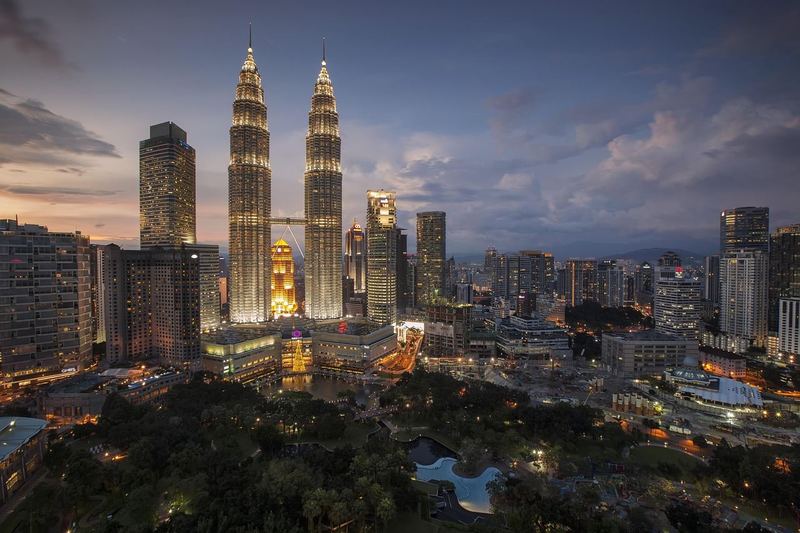
Kazakhstan's Astana and Almaty Lead Central Asian Urban Growth
In the 2025 Oxford Economics Global Cities Index, Almaty ranked 258th and Astana 276th, making them Central Asia's highest-placed cities amidst significant investment and rising international visitor numbers.
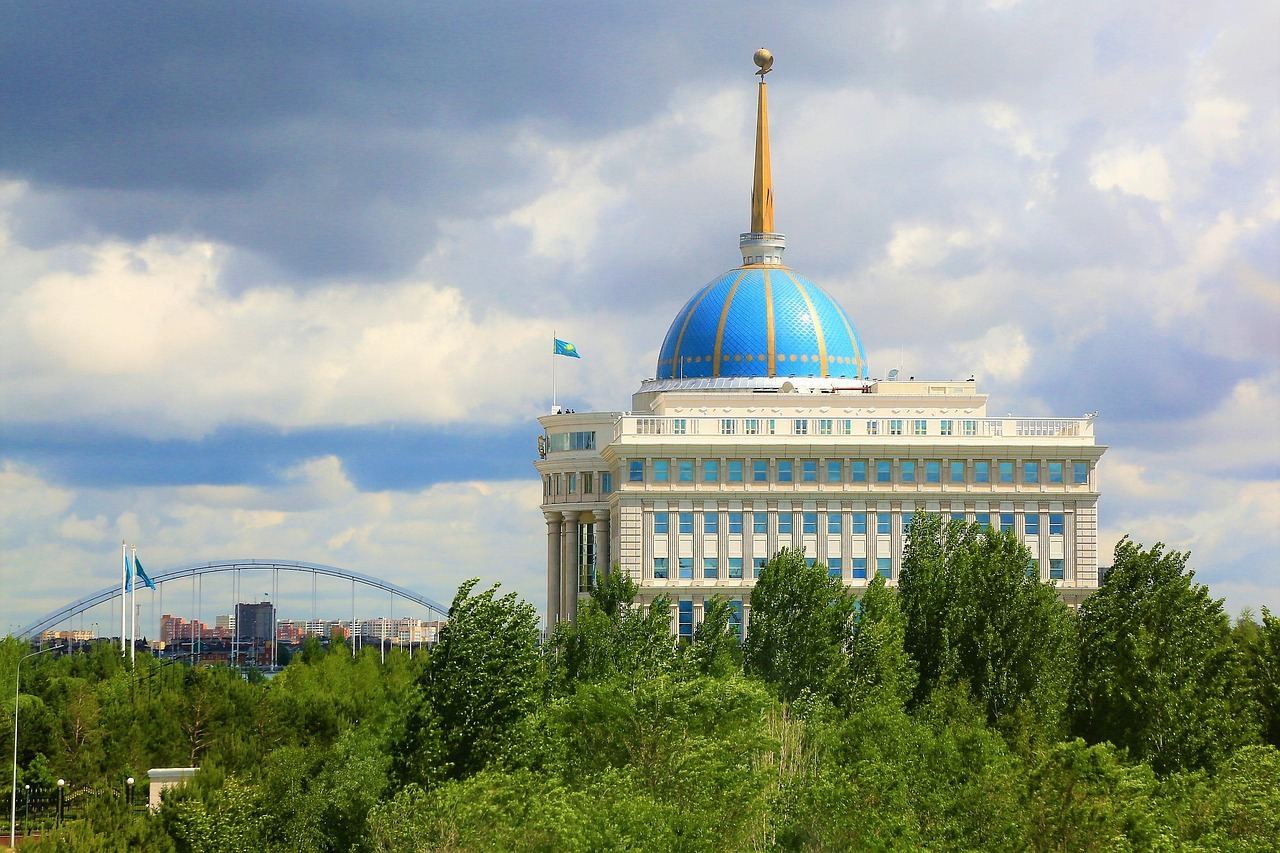
Economic Growth and Regional Leadership
Central Asia's urban landscape is evolving, with Kazakhstan's two major cities, Almaty and Astana, at the forefront of this transformation. This growth is driven by trade diversification, a youthful population, and rapid digital adoption. According to the 2025 Oxford Economics Global Cities Index, Almaty secured the 258th position globally, with Astana following at 276th.
These rankings placed them as the highest in Central Asia, significantly ahead of Tashkent, which ranked 471st. Economically, Almaty's gross regional product (GRP) reached KZT 36.2 trillion (approximately US$69.4 billion) in 2025, while Astana contributed about US$37.6 billion. Together, these two cities generated roughly 35% of Kazakhstan's total GDP for the year. Both Almaty and Tashkent recorded substantial real economic growth of 11.3% in 2025.
Astana's Investment and Financial Hub Status
Astana, the national capital, is experiencing particularly swift development. Its population increased by over 110,000 residents, a 7% rise, in 2025. The city also saw 4.8 million square metres of new housing completed during the same year.
Fixed-capital investment into Astana reached approximately US$4.9 billion, and gross foreign direct investment (FDI) inflows were US$4.1 billion, marking a 2.6-fold increase from the previous year. A key institutional asset is the Astana International Financial Centre (AIFC), established in 2018 under an independent common-law framework.
By March 2026, Astana ranked 65th globally and first in Eastern Europe and Central Asia in the Global Financial Centres Index. The AIFC reported over 6,000 registered companies and US$26.3 billion mobilised since its inception by mid-2026.
Almaty's Commercial and Tourism Strengths
Almaty, Kazakhstan's largest city and former capital, maintains its strength through decades of international business activity and a highly service-oriented economy. Services constituted 85.9% of its GRP in 2025, attracting US$8.58 billion in gross FDI inflows.
The city is a hub for trade, transport, finance, technology, and professional services, drawing businesses seeking a regional base. Its human capital is also notable, with Almaty ranking 64th globally in the 2025 Oxford Economics index.
Kazakhstan reported over 35,000 international students in 2025, with three universities in Astana and Almaty featuring in the top 400 of the QS World University Rankings 2027.
Almaty's unique location at the base of the Trans-Ili Alatau mountains also positions it as a significant tourism destination, combining urban life with immediate access to natural attractions like Shymbulak ski resort.
Digitalisation, Connectivity, and Outlook for Travellers
Both cities benefit from Kazakhstan's strong digital infrastructure. The country ranked 24th among 193 nations in the UN's 2024 E-Government Development Index, with Almaty placing 27th globally in the UN Local Online Service Index.
Astana is also developing a Smart City platform with Presight AI, integrating over 60,000 cameras and AI-enabled video analytics for real-time data management. This growth in connectivity and infrastructure supports a rising international profile.
Kazakhstan recorded 15.7 million foreign visits in 2025, with Almaty alone welcoming approximately 2.49 million tourists, including 754,000 international visitors.
For global travellers and industry operators, the continued development of Astana's financial and events infrastructure and Almaty's established commercial and tourism offerings suggests increasing opportunities for business travel, leisure tourism, and direct investment into Central Asia over the coming years.
Get The Post.
The global travel stories that matter, three mornings a week. Free.