Los Angeles Airport People Mover Faces Fresh Scrutiny After Electrical Faults
Four electrical arc-blast incidents in September damaged Los Angeles International Airport’s automated People Mover infrastructure, raising questions about its readiness for passenger service.
Electrical Incidents Prompt Safety Review
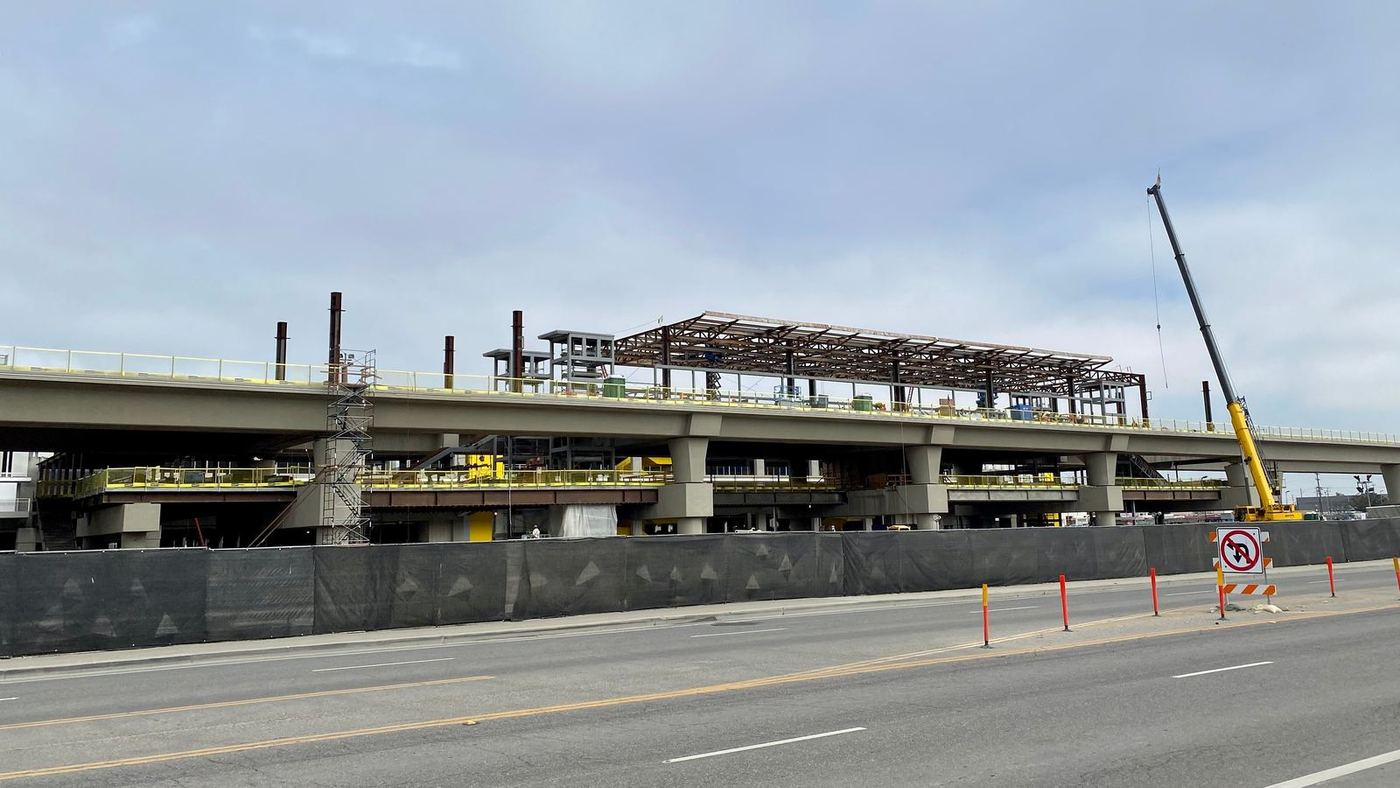
The automated People Mover project at Los Angeles International Airport (LAX) is under renewed examination following four separate electrical arc-blast incidents that occurred in September. These events caused damage to the system’s power rail and guideway, prompting concerns over the long-delayed transit system's safety and operational readiness.
An infrastructure advisory firm, Infrata, documented these incidents in a report prepared for project lenders. This report details three blasts on September 23, followed by a fourth on September 25, all occurring at different locations along the elevated guideway.
The incidents have added another layer of complexity to a project already facing years of postponements and rising costs.
Damage Details and Expert Concerns
The electrical arc blasts, also described as flashovers, inflicted damage on the People Mover’s power rail and guide beam. While the underlying cause of these incidents remained undetermined at the time of Infrata’s report, newly released video footage obtained by FOX 11 Los Angeles shows a significant electrical flash near the tracks shortly after a test train passed.
Timothy Borchers, a transportation and railroad expert with over four decades of experience, characterised an arc blast as an uncontrolled electrical explosion. Speaking to ABC7, he stated that four such incidents were unprecedented in his professional experience and warned of a potential fire risk should a similar event occur with a passenger train in the affected area.
Contractor and Airport Response
LINXS, the consortium responsible for the People Mover’s design, construction, and operation, confirmed that the incidents affected only a limited section of the power rail.
In a statement reported by ABC7, the contractor indicated that the damage involved only a few feet of rail and was unrelated to the broader power distribution system, suggesting no inherent defect in the installed electrical components. LINXS also reported no damage to the passenger vehicles and affirmed that the system responded as designed during the events.
Los Angeles World Airports (LAWA), the operator of LAX, confirmed that the source of the incidents is still under investigation, but stated that all related issues have been repaired and testing has since resumed.
Project Delays and Asia's Watch
The electrical incidents compound years of delays for the Automated People Mover, also known as SkyLink, which was initially projected to commence passenger service in 2023. The project’s cost has also escalated to approximately $3.3 billion, significantly exceeding its original budget.
This system is designed to connect airport terminals with parking, the rental car centre, and the LAX Metro Transit Center, aiming to reduce vehicular congestion.
For Asian airport authorities and operators considering or developing similar large-scale automated transit systems, such as those in Singapore Changi Airport or Seoul Incheon International Airport, the LAX challenges highlight the critical need for exhaustive testing protocols and contingency planning.
Ensuring system reliability and passenger safety through rigorous pre-operational validation will be a key consideration to prevent comparable delays and cost overruns in future infrastructure projects across the region.
Get The Post.
The global travel stories that matter, three mornings a week. Free.