Rapa Nui Tightens Visitor Rules, Raises Fees for Moai Sites
Travellers to Easter Island must now use certified guides for archaeological sites beyond Hanga Roa and pay an increased entrance fee of CH$95,000 (approximately US$100).
Rapa Nui Implements New Visitor Regulations
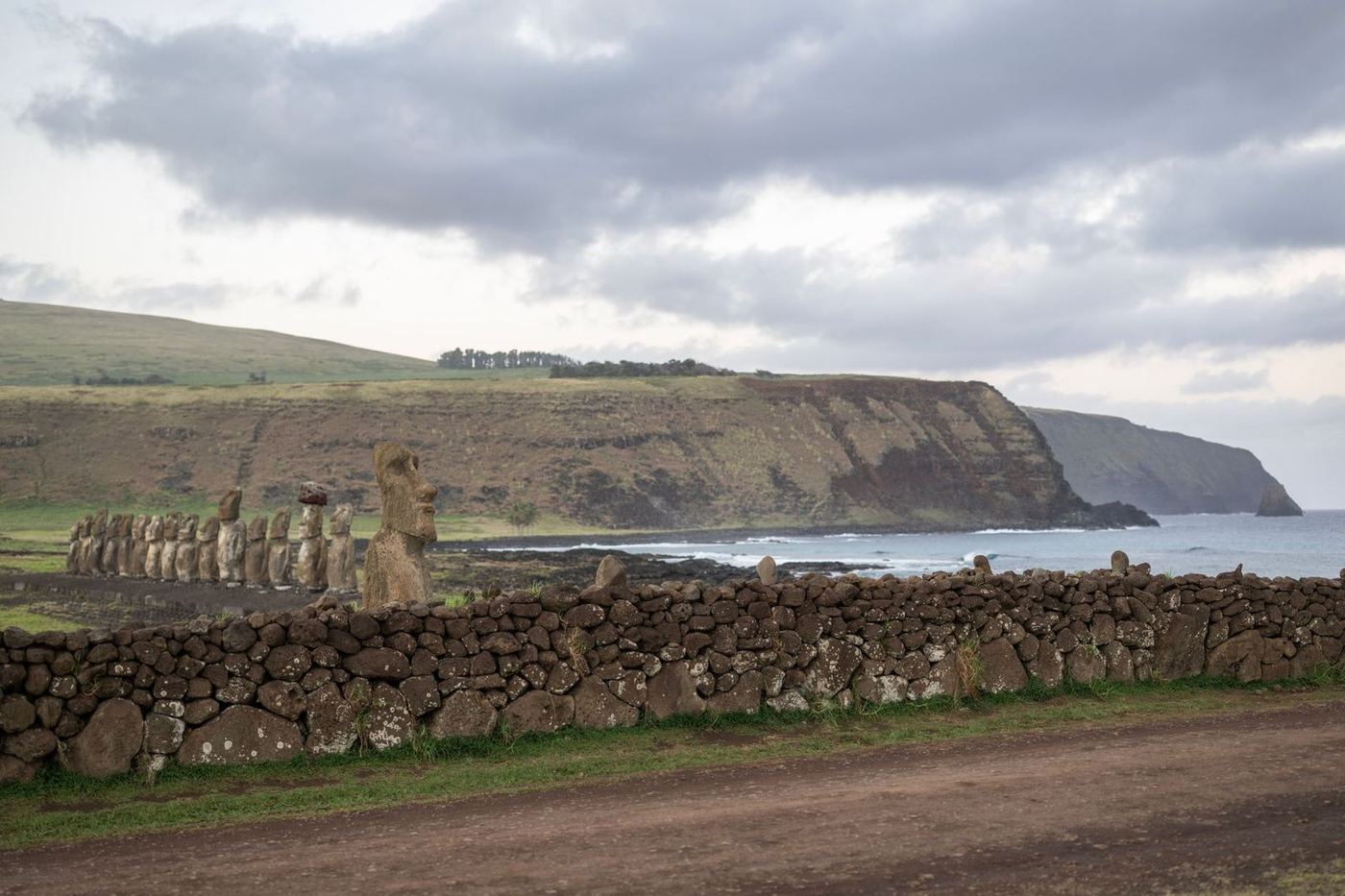
Rapa Nui, also known as Easter Island, has introduced stricter regulations for visitors, including higher entrance fees and a mandatory requirement for certified guides at its archaeological sites. The Chilean territory, renowned for its nearly 1,000 monolithic moai figures, aims to manage tourism impact and promote deeper cultural engagement.
The Ma'u Henua Indigenous Community, which assumed administration of Rapa Nui National Park from the Chilean Government in 2017, has spearheaded these changes.
The island, located 1,292 miles from its nearest inhabited neighbour, Pitcairn Island, and 2,200 miles from continental Chile, continues to draw interest as an open-air archaeological museum where many moai have been restored to their upright positions over the past seven decades.
Accessing the Remote Polynesian Isle
Access to Rapa Nui primarily occurs via air through Mataveri International Airport, recognised as the world's most remote commercial airport. LATAM operates as the sole carrier serving the island, providing at least one daily flight from Santiago, Chile, a journey of approximately 5.5 hours.
For those preferring sea travel, around a dozen cruise ships, including National Geographic Resolution and Silversea’s Silver Cloud, dock at the island annually. Once on Rapa Nui, visitors typically base themselves in Hanga Roa, the island’s only town, and arrange day trips to the various archaeological locations, which are all within a half-hour drive of each other.
Increased Fees and Mandatory Guides
The Ma'u Henua Indigenous Community has recently increased the entrance fee for Rapa Nui National Park to CH$95,000, equivalent to approximately US$100. This measure forms part of a broader strategy to mitigate overtourism and encourage visitors to extend their stays, fostering more profound connections with the local culture and enhancing protections for the fragile moai.
A significant change for travellers is the new requirement to visit all archaeological sites outside Hanga Roa with a certified guide.
This policy shift means that independently exploring sites by rental car or bicycle has become less common, with guided tours now the standard for accessing locations such as Rano Raraku, the quarry where 95% of the island’s sculptures were designed, and Ahu Tongariki, which features 15 statues.
Implications for Destination Management in Asia
The approach taken by Rapa Nui to manage its unique cultural and natural assets offers a case study for destinations globally, including those across Asia. By raising entrance fees and mandating certified guides, the Ma'u Henua Indigenous Community aims to balance visitor access with preservation and cultural integrity.
This strategy of encouraging longer, more engaged stays rather than high-volume, short-term tourism aligns with discussions in several Asian destinations grappling with the effects of overtourism.
Markets such as Boracay in the Philippines, or certain temple complexes in Cambodia and Thailand, have similarly implemented visitor caps, temporary closures, or increased fees to safeguard their heritage and environment, suggesting that controlled access and higher value tourism may become a more prevalent model for preserving fragile sites.
Get The Post.
The global travel stories that matter, three mornings a week. Free.