Lufthansa Group Seeks A330 'Shark Skin' Certification
Lufthansa Group is advancing its drag-reducing AeroShark coating for Airbus A330 aircraft, aiming for EASA certification after successful deployment on Boeing 777s.
AeroShark Coating for Airbus A330
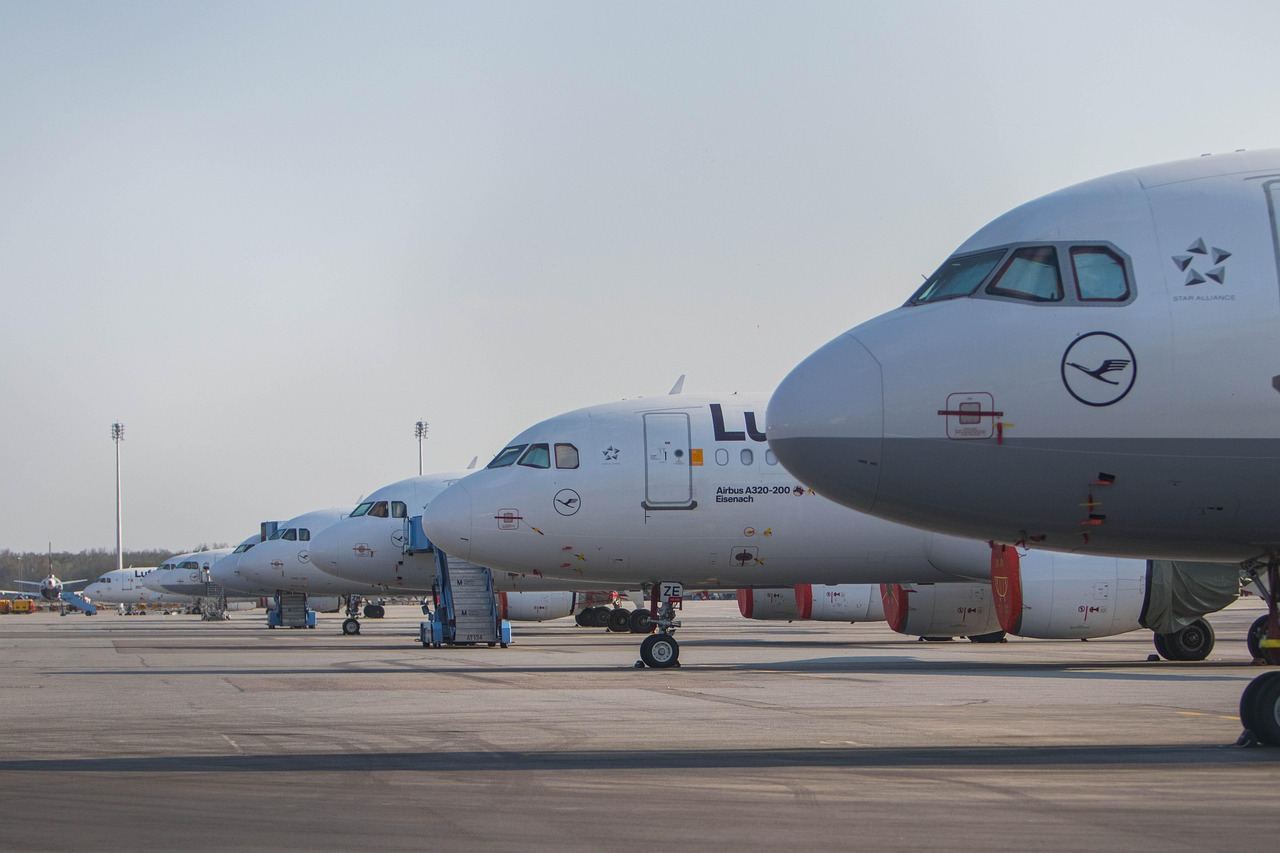
Lufthansa Group is progressing with its proprietary "AeroShark" technology, initiating the certification process for its drag-reducing coating on the Airbus A330 aircraft family. This week, the airline conglomerate announced plans to apply the innovative film to an Airbus A330-300 operated by its subsidiary, Discover Airlines.
The aircraft is slated for extensive testing, both prior to and following the application of the coating, at Lufthansa Technik’s facility in Dresden. This move follows the European Union Aviation Safety Agency's (EASA) earlier approval of AeroShark for use on Boeing 777-300ER, 777-200ER, and 777F models.
Technology and Environmental Benefits
Developed collaboratively by Lufthansa Technik and Surventis, the AeroShark film employs biomimicry, featuring microscopic grooves that replicate the texture of shark skin. This design effectively minimises aerodynamic drag across the aircraft's exterior, leading to a measurable reduction in fuel consumption and, consequently, lower carbon emissions.
The technology's certification efforts are further supported by a partnership with Mastercard. Currently, the coating is applied to an aircraft’s fuselage and engine cowlings, with 22 long-haul aircraft within the Lufthansa Group fleet already equipped as of July this year.
Expansion to Global Long-Haul Fleets
The current certification initiative aims to extend AeroShark's approved usage to both the A330-200 and A330-300 variants. Grazia Vittadini, Lufthansa Group's chief technology officer, stated that AeroShark exemplifies how internal innovations contribute tangibly to enhanced efficiency and reduced emissions.
She highlighted that securing certification for the Airbus A330ceo models unlocks the potential to outfit a substantial segment of the global long-haul fleet. Furthermore, Lufthansa Technik and Surventis are actively researching and developing a next-generation version of the coating designed for application on aircraft wings, horizontal stabilisers, and vertical stabilisers.
Implications for Asian Carriers
This progression in fuel-efficiency technology holds significant implications for Asian carriers operating extensive Airbus A330 fleets, such as Cathay Pacific, China Eastern Airlines, and Garuda Indonesia.
Should AeroShark become widely available and cost-effective, these airlines could potentially reduce their operational expenses and environmental footprint, particularly on long-haul routes.
The technology's expansion to a major global widebody platform like the A330 could drive similar innovation adoption across the region, influencing procurement decisions and maintenance strategies for airlines aiming to meet increasing sustainability targets and manage fuel costs.
Get The Post.
The global travel stories that matter, three mornings a week. Free.