Pili Pili Wins Luxembourg's 2026 Bistrospill Board Game Award
The Bistrospill award, backed by Horesca and Spillfabrik, seeks to reintroduce tabletop gaming to cafes and bars, aiming to enhance social interaction for patrons.
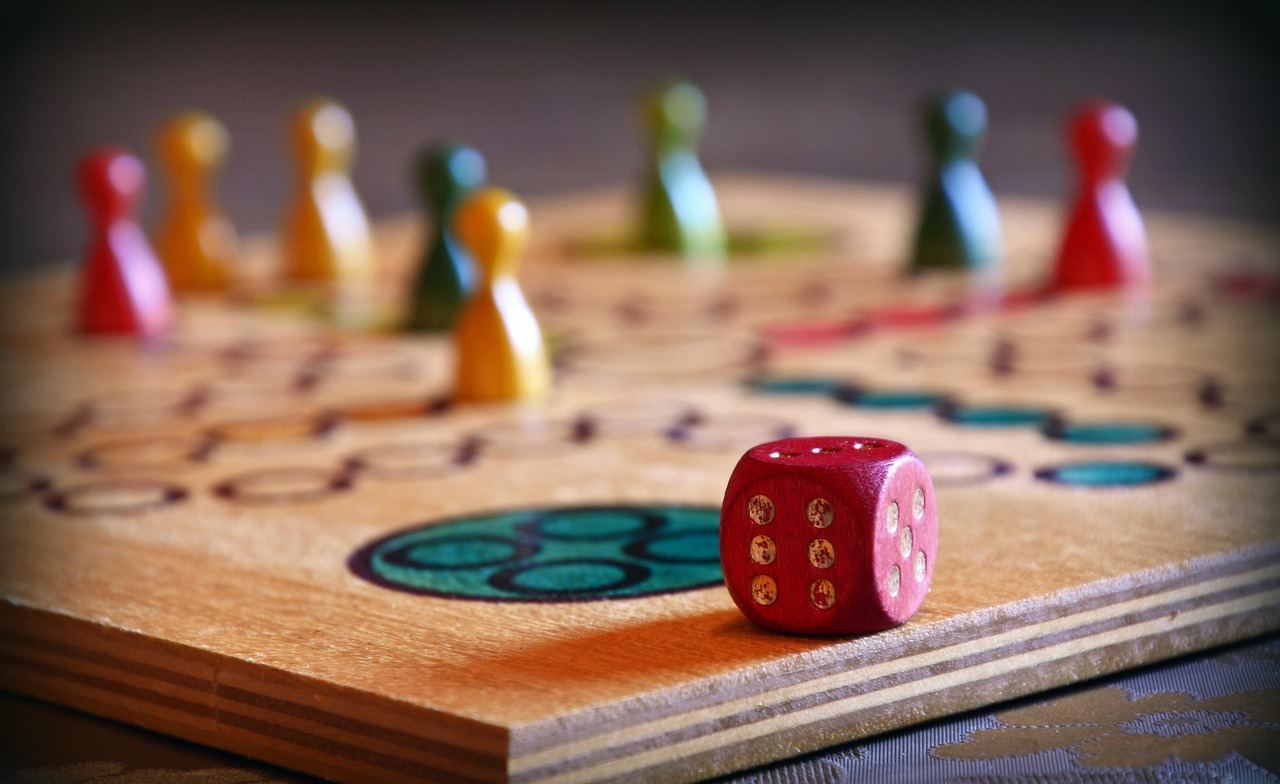
Luxembourg Industry Recognises Pili Pili
Luxembourg's hospitality sector, through its annual Bistrospill award, has named the trick-taking game Pili Pili as its 2026 Board Game of the Year. This recognition, announced on 30 September 2026, is part of an eight-year initiative by Horesca, the country's association of hotels, restaurants, and cafes, in collaboration with Spillfabrik, Luxembourg's largest board game club.
The Bistrospill programme, established in 2018, aims to revitalise a social tradition by encouraging cafes, bars, and restaurants to provide modern tabletop games for their customers.
Horesca, which represents approximately 2,900 businesses, stated its goal to integrate gaming as a core element of Luxembourg’s hospitality culture, echoing the historical popularity of card games like Whist and Belote in earlier centuries.
Fostering Social Engagement in Venues
The initiative goes beyond merely identifying an annual winner; it actively supports hospitality businesses in adopting tabletop gaming. Horesca has worked to persuade cafes and bars to host dedicated gaming afternoons and evenings.
Participating venues receive complimentary kits, which include promotional posters, simplified game rules, branded beer mats, and suggestions for various activities. The programme also advises businesses to maintain a modest selection of games for customer use, emphasising that venues do not need to convert into specialised board game cafes.
A small, carefully chosen collection of titles, clearly displayed, is deemed sufficient to achieve the programme's social objectives.
Spillfabrik plays a crucial role by preselecting games specifically suited for a bistro setting, prioritising titles that are easy to explain, compact for cafe tables, playable by multiple individuals, and sufficiently interactive for social environments.
The Award-Winning Game and its Creators
For the 2026 Bistrospill, publishers submitted 76 games, which Spillfabrik then shortlisted to five finalists before selecting Pili Pili as the victor. Pili Pili was developed by Ben B and Jean-Baptiste de Ghellinck, the founders of ATM Gaming, a French party game publisher.
Earlier this year, ATM Gaming was acquired by the board game conglomerate Asmodee in a transaction valued at up to €250 million. Organisers highlighted Pili Pili's suitability for cafes and bars due to its approximate 20-minute playtime, compact card-based format, and straightforward rules.
The game involves players predicting the number of tricks they will take in each round, incurring penalties if they miss their target, while mission cards dynamically change the rules throughout play.
Implications for Global Hospitality
This initiative in Luxembourg shows how hospitality venues can enhance customer engagement and revenue through curated social activities. For travellers, this means an enriched experience in Luxembourgish cafes and bars, offering opportunities for connection beyond traditional dining.
In Asia, where social dining and entertainment are deeply ingrained in culture, similar programmes could find significant traction. Operators in markets such as South Korea or Japan, known for their cafe culture and interest in novel social activities, might consider adapting the Bistrospill model.
Introducing carefully selected board games could attract new demographics, extend dwell times, and foster a distinctive atmosphere, potentially boosting ancillary spending on food and beverages. Such strategies would need to align with local preferences for game types and social interaction norms.
Get The Post.
The global travel stories that matter, three mornings a week. Free.


