High-End Hotels Mandate Longer Stays for 2026 Holidays
Luxury properties worldwide are implementing extended minimum stay requirements for the 2026 festive season. This shift impacts traditional travel plans for affluent clients, prompting some to seek alternative accommodation solutions.
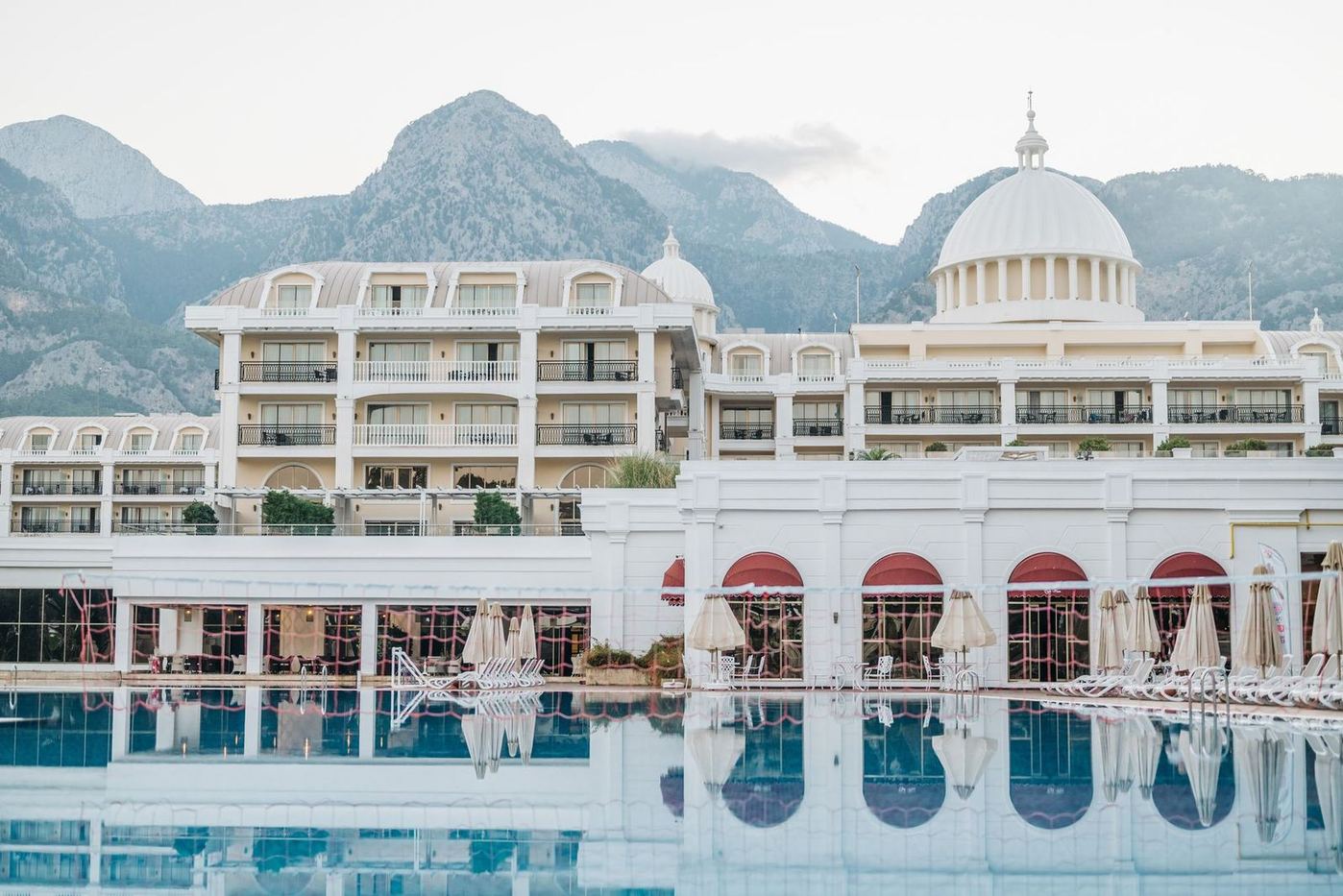
Extended Stay Requirements Emerge
Global luxury hotels are enforcing longer minimum stays for the upcoming 2026 festive period. This policy shift affects high-net-worth individuals planning holiday travel. Properties from the Caribbean to the French Alps now require extended commitments. Ashley Isaacs Ganz, a travel agent, noted a Swiss hotel declined a client's request for a December 23 to January 2 stay.
The property instead demanded a longer booking. Similarly, Les Airelles in Courchevel, France, has a 14-night minimum. In the Caribbean, Sandy Lane in Barbados and Jumby Bay Island in Antigua both mandate two-week payments for holiday bookings. These requirements apply whether guests stay for the entire duration or not.
Kevin Jackson of EXP Journeys mentioned a luxury ranch near Aspen that vets both guests and their intended stay length. This trend marks a significant change from previous years.
Demand and Calendar Drive Policy Shifts
The primary driver behind these extended stay policies is surging demand for luxury travel during peak holiday times. Travel agents observe that properties are experiencing unprecedented interest, particularly for the festive period. The calendar alignment for 2026 further influences this trend. Both Christmas Day and New Year's Day fall on Fridays.
This configuration complicates traditional seven-night holiday bookings. Travellers often prefer not to fly on these specific dates, making shorter, split stays impractical. Hotels recognise their strong market position due to this consistent demand. Ashley Isaacs Ganz commented that properties can implement these demands because guest interest remains high.
This situation gives hotels considerable leverage over booking terms. The increased demand means more prospective guests than available rooms, strengthening the hotels' control over inventory.
Client Pushback and Alternative Choices
These extended minimum stays are generating considerable pushback from affluent clients. Jonathan Alder of Jonathan's Travels highlighted that many American travellers lack the flexibility for such long periods away.
While some perceive benefits, such as a consistent clientele creating a "pop-up country club" atmosphere, as suggested by Cari Gray of Gray & Co., this does not appeal to all. Guests might get to know staff better or have a dedicated ski guide for a longer duration. However, the requirement to pay for unused nights prompts some to seek different options.
Kevin Jackson recounted a client who typically travels with extended family. This client rejected paying for two weeks across multiple Caribbean hotels when he only planned to stay part-time. Instead, he chartered a six-cabin yacht. This two-week charter cost approximately $1 million, about 20 percent more than the combined hotel rooms.
The yacht offered flexibility to move between Bahamian islands and customise the entire stay, including meals and activities.
Implications for Luxury Travel
This shift in luxury hotel booking policies carries significant implications for both travellers and the hospitality sector. For hotels, while short-term revenue may increase due to guaranteed longer stays, there is a risk of alienating long-term, loyal guests. The client who opted for a yacht charter, for instance, stated, "We're yachters now," according to Kevin Jackson.
This indicates a potential permanent loss for traditional hotel properties. Affluent travellers, faced with rigid booking terms, are actively exploring alternative luxury accommodation types. Private charters, villas, and bespoke travel arrangements offer greater flexibility and customisation. The industry may see a continued diversification of high-end travel choices.
This trend suggests that hotels might need to reconsider their long-term customer retention strategies. The market dynamics are compelling some travellers to redefine their luxury holiday preferences.
Get The Post.
The global travel stories that matter, three mornings a week. Free.