Luxury Travel Advisors Report Post-Pandemic Surge in Remote Lodge Demand
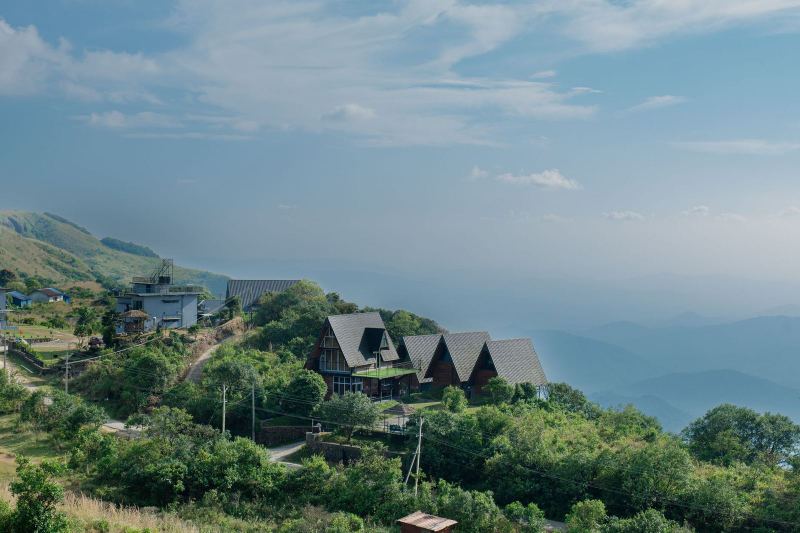
Affluent travellers are increasingly prioritising remote, high-end lodges over traditional luxury hotels. This shift, accelerated since the global pandemic, demonstrates a growing demand for immersive, nature-led stays in secluded destinations worldwide, driving significant investment into independent properties, according to industry reports.
Demand for Secluded Luxury Grows
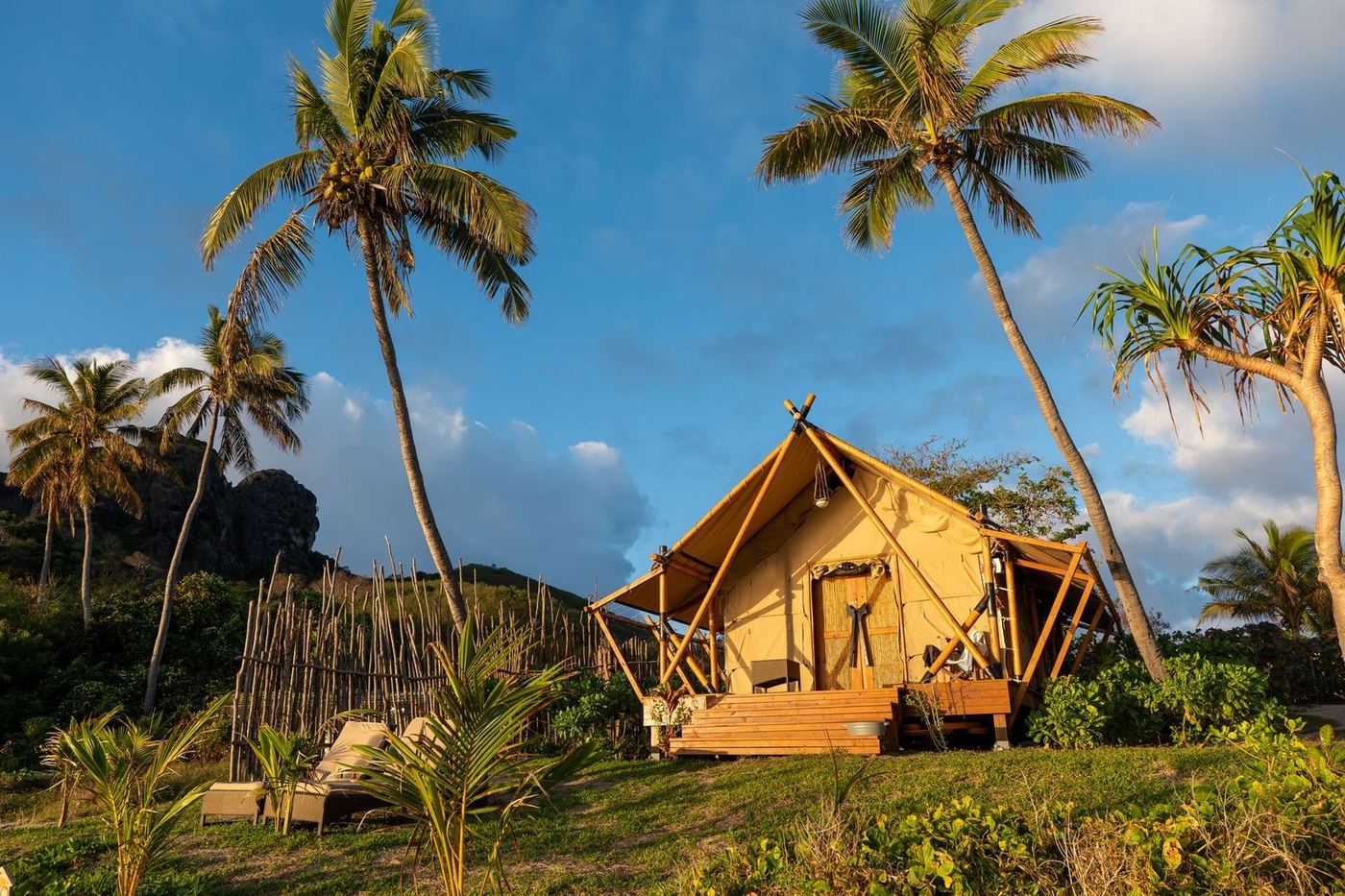
Wealthy travellers are increasingly choosing remote, high-end lodges over conventional luxury hotels. This trend has gained momentum since the global pandemic, revealing a preference for more intimate and nature-focused accommodation. Lindsay Messina, cofounder of Fioraé Luxury Travel, states this represents a significant shift in high-end travel.
She observes that clients, having frequently visited top hotels, now seek more immersive and locally rooted stays. Deutsche Bank Wealth Investment confirms that the rise in luxury lodge popularity began post-pandemic. Investors are now backing "experience-rich assets," including a surge of independently owned lodges.
Hundreds of high-end nature retreats and safari camps have launched globally since 2023, reflecting this growing market.
Niehku Mountain Villa Exemplifies the Trend
Ultra-high-net-worth travellers continue to prioritise remote destinations for unique activities. Niehku Mountain Villa in Riksgransen, Sweden, serves as a prime example of this preference. Situated 125 miles south of the Arctic Circle, this location offers opportunities for heli-skiing and other arctic pursuits.
The 14-double-room lodge features an authentic Swedish sauna and a cellar containing 3,000 bottles of wine. Property buyouts are common, particularly among Nordic media executives. Messina describes a lodge as embodying a feeling of complete immersion in a place. She notes that once clients visit such properties, they often prefer not to return to other types of accommodation.
Investment and European Market Parallels
The sustained demand for remote luxury drives substantial investment into independent properties. The European real estate market shows a parallel trend in this regard. In Switzerland, international buyers have increased their demand for second holiday homes and chalet-style lodges. This activity has led to significantly higher than average prices in alpine regions.
Verbier and Gstaad now rank among Switzerland's most expensive tourist destinations. Joachim Jocab, general manager of Four Seasons Megeve in the French Alps, identifies a clear and growing demand for experiential luxury and nature-led hospitality across Europe.
He notes travellers are increasingly drawn to destinations that combine exceptional service with outdoor activities, wellness, and a strong sense of place.
Evolution of Wilderness Luxury
The concept of "glamping" helped establish remote luxury travel in the late 2000s. However, this trend has evolved significantly beyond basic tented camping. Current offerings provide traditional five-star accommodation complemented by additional services. These include destination dining, longevity, and wellness programmes.
Niehku Mountain Villa, for instance, focuses on culinary excellence and expert-led outdoor activities. Co-owner Thomas Eidefors has collaborated with top Swedish chefs to enhance the hospitality programme. Guests can participate in guided slope treading, summit climbing, and fjord swimming with experienced guides.
The lodge also boasts an award-winning pastry chef and a leading Nordic sommelier, enhancing its reputation as a culinary destination.
Industry Implications and Outlook
The persistent demand for remote luxury suggests continued investment in independent, nature-focused properties. Travellers can expect a broader range of high-end wilderness options globally in the coming years. This trend may prompt traditional luxury hotel groups to adapt their strategies.
Such adaptations could involve developing their own lodge concepts or acquiring existing independent properties. The shift highlights a lasting change in traveller preferences, moving towards greater privacy, authentic local connection, and immersive outdoor activities. Industry players should monitor this evolution to understand its long-term impact on the luxury travel sector.
Get The Post.
The global travel stories that matter, three mornings a week. Free.