Luxury Travellers Seek Remote Retreats: British Columbia Emerges
High-net-worth individuals are increasingly choosing secluded, high-end destinations over traditional hotspots, with coastal British Columbia gaining prominence for its exclusive lodges and wilderness appeal.
Luxury Travel Redefines Preferences
High-end travellers are increasingly seeking out more isolated and exclusive locales, moving beyond conventional luxury destinations. This shift is driven by a desire for five-star hospitality in less frequented areas, according to observations within the luxury travel sector.
While some established European spots, such as the French countryside and Greek islands, contend with environmental challenges, other regions are seeing increased interest. The Côte d'Azur, for instance, draws attention as a filming location for "The White Lotus", potentially increasing visits to Cannes and St. Tropez in the coming years.
Other notable destinations attracting affluent travellers this year include Riviera Nayarit, Costa Rica, Big Sky in Montana, and Paros, Greece, as identified by a recent review of luxury travel preferences. This trend highlights a broader inclination among affluent individuals to venture further afield for unique and private stays.
Coastal British Columbia's Growing Appeal
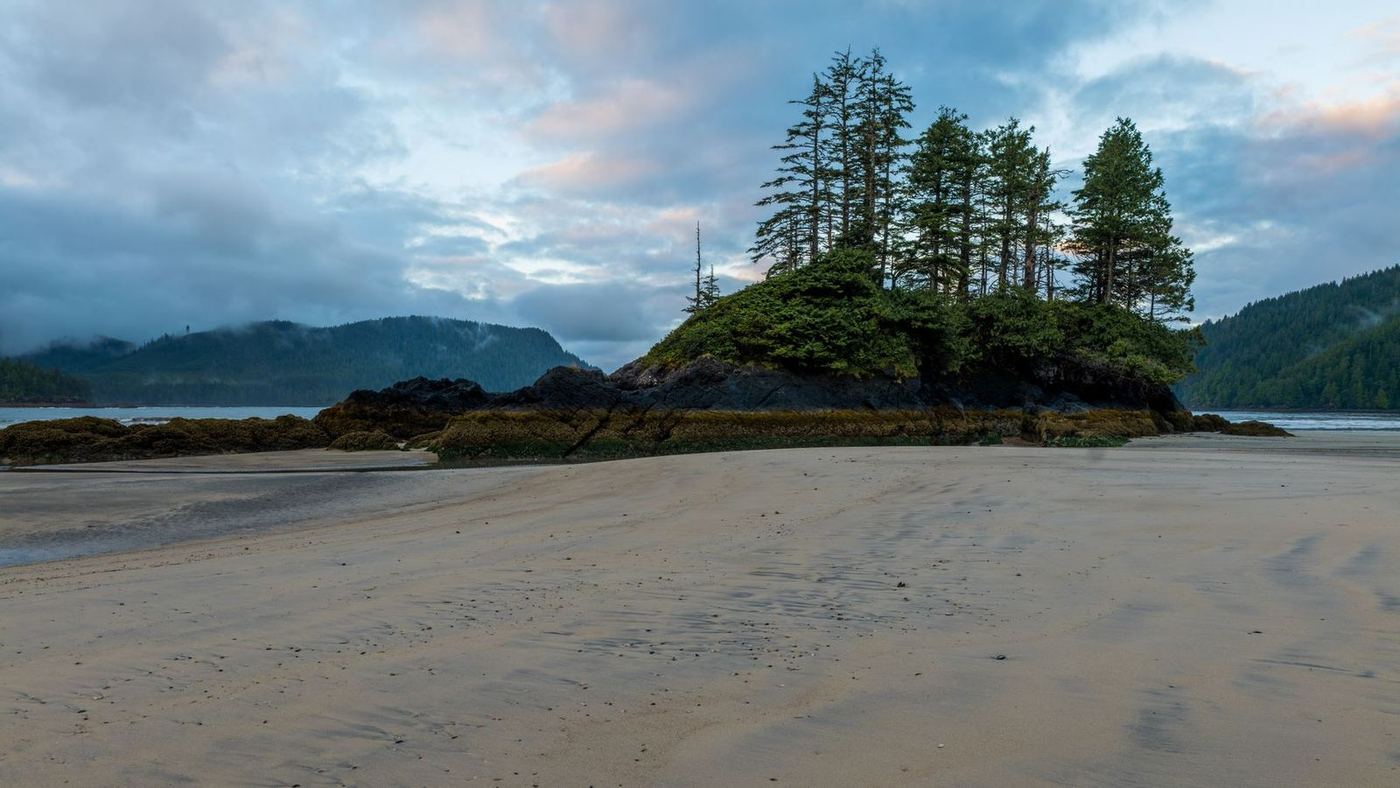
Coastal British Columbia has solidified its standing as a premier destination for ultra-high-net-worth (UHNW) travellers and their families, marked by the establishment of several luxury lodges. This remote wilderness area has developed into a significant draw for those seeking high-end seclusion.
Nimmo Bay, an early entrant, rebuilt its floating lodge on the edge of the Great Bear Rainforest into a nine-cabin ecoresort. This family-owned property operates on an all-inclusive model, covering all activities and meals, given its isolated setting where seals are often the closest neighbours.
The region's appeal expanded further with the arrival of Clayoquot Wilderness Lodge, situated across 600 acres of rainforest and river valleys on Vancouver Island, adding another high-calibre option for discerning travellers. These developments demonstrate a concerted effort to provide exclusive, nature-integrated accommodation in previously undeveloped luxury travel markets.
Exclusive Lodges and Their Offerings
The luxury lodging landscape in Coastal British Columbia expanded significantly in 2025 with the opening of Fawn Bluff. Formerly a private residence owned by Michelle Pfeiffer and David E. Kelley, this exclusive-use timber lodge overlooks Bute Inlet.
Fawn Bluff provides gourmet meals that rival Michelin-starred restaurants and facilitates activities such as heli-hiking to nearby glaciers. Notably, all profits generated by Fawn Bluff are directed to the Homalco First Nations people, integrating a social impact component into its luxury offering.
Both Fawn Bluff and Clayoquot Wilderness Lodge received recognition this year, featuring on a list of 50 top luxury hotels.
The collective presence of Nimmo Bay, Clayoquot Wilderness Lodge, and Fawn Bluff establishes Coastal British Columbia as a concentrated hub for wilderness-focused luxury travel, catering to a clientele that prioritises privacy, bespoke activities, and high standards of service in remote settings.
Implications for the Luxury Travel Sector
The sustained demand for exclusive, remote luxury accommodations, as seen in Coastal British Columbia, indicates a clear direction for the high-end travel sector. Developers and hospitality groups are likely to continue exploring and investing in less conventional locations that can offer privacy and unique activities away from crowded tourist centres.
This trend could drive further development of bespoke lodges and private retreats in wilderness areas globally, particularly those with strong conservation or community benefit programmes, mirroring Fawn Bluff's model. For affluent travellers, this means an expanding array of destinations that prioritise seclusion and tailored activities over traditional resort settings.
Industry players should monitor the performance of these new luxury hubs to gauge future investment opportunities and evolving consumer preferences in the premium travel segment.
Get The Post.
The global travel stories that matter, three mornings a week. Free.