Madrid's Luxury Tourism Booms, The Palace Hotel Honoured
Madrid is attracting more discerning travellers, establishing itself as a premier destination for high-end tourism. The Palace, a Luxury Collection Hotel, recently earned recognition for its historical grandeur and refined interiors, highlighting the city's appeal.
Madrid's Evolving Luxury Appeal
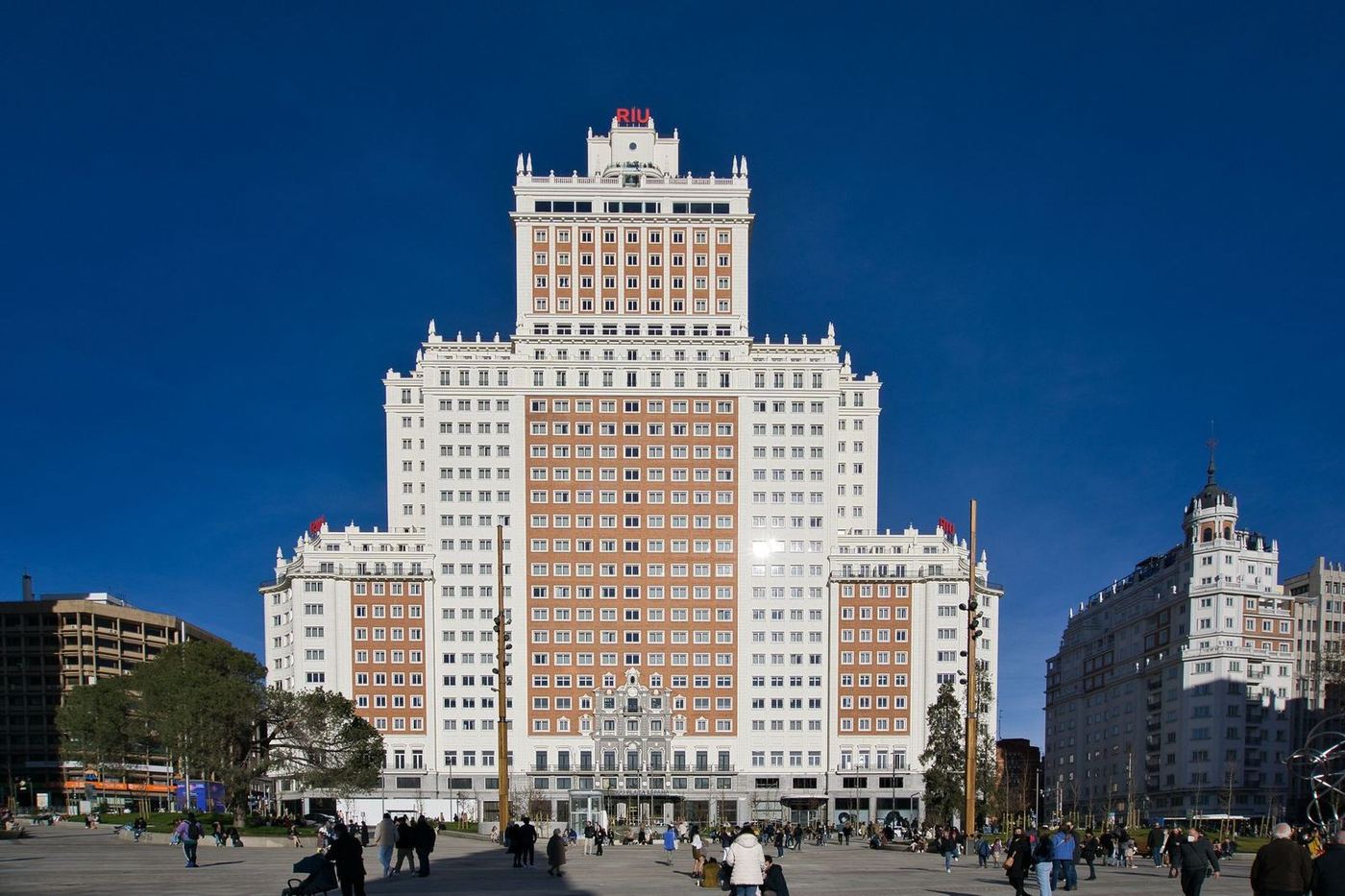
Spain’s capital city increasingly draws high-end visitors. Madrid now competes effectively with other prominent European cities for luxury tourism. Travellers seek out its cultural institutions and sophisticated culinary offerings. The city’s art collections, including The Prado and Museo Reina Sofia, are significant attractions.
Its 26 Michelin-starred restaurants also contribute to its growing reputation. Madrid provides a refined travel experience, moving beyond earlier perceptions. The city has recently gained prominence on the global stage. New infrastructure, such as the Formula 1 Grand Prix circuit, further enhances its draw. Madrid offers a blend of historical charm and modern luxury. This shift positions the city as a leading European destination.
The Palace Hotel's Enduring Legacy
Among Madrid’s premier accommodations, The Palace, a Luxury Collection Hotel, holds a notable position. It opened in 1912 and occupies an entire city block. The hotel is situated near the Spanish parliament. Key city sights are within a ten-minute walk. Historically, The Palace served as a gathering place for prominent figures.
Pablo Picasso, Salvador Dalí, and Federico García Lorca were among its guests. Ernest Hemingway also frequented the hotel. He notably mentioned its martinis in his 1926 novel, The Sun Also Rises. The hotel’s rich history adds to its appeal. It continues to be a central point for influential visitors.
Refurbished Interiors and Amenities
The Palace hotel recently underwent a comprehensive refurbishment. Catalan interior designer Lázaro Rosa-Violán oversaw the project. The hotel features 420 rooms and 50 suites. These accommodations, alongside other areas, received significant updates. Design elements include hand-painted wallpaper, inspired by Madrid’s Royal Botanical Garden.
Intricate mosaics and original antique fireplaces add to the opulent décor. Velvet fabrics in jewel tones, such as emerald and indigo, are also prominent. The Cúpola bar and restaurant remains a central feature. It sits beneath a florid Art Nouveau stained-glass dome. This venue offers expansive breakfasts, brunch buffets, and à la carte dinners.
Its wine list contains over 300 selections. The hotel also features the 27 Bar, a wood-panelled, English gentlemen’s-style space.
Outlook for Madrid's Luxury Sector
The continued recognition of properties like The Palace demonstrates Madrid's strength in luxury hospitality. The hotel’s ability to attract contemporary power brokers, artists, and celebrities underscores its enduring relevance. This sustained appeal reflects a broader trend of growth in Madrid’s high-end tourism sector.
The city’s combination of cultural depth, culinary excellence, and sophisticated accommodation options will likely continue to draw discerning international travellers. Industry stakeholders should observe how Madrid’s luxury offerings evolve. Further investment in high-calibre properties and unique cultural experiences could solidify its position. This trend indicates a robust future for Madrid in the competitive global luxury travel market.
Get The Post.
The global travel stories that matter, three mornings a week. Free.