Kitakyushu's Mojiko Retro Port: History Revitalised
Mojiko Retro in Kitakyushu, Fukuoka Prefecture, offers a revitalised historic port district. Visitors can explore early 20th-century architecture, museums, and local cuisine. It provides insight into Japan's past and present port life.
Mojiko Retro's Historical Context
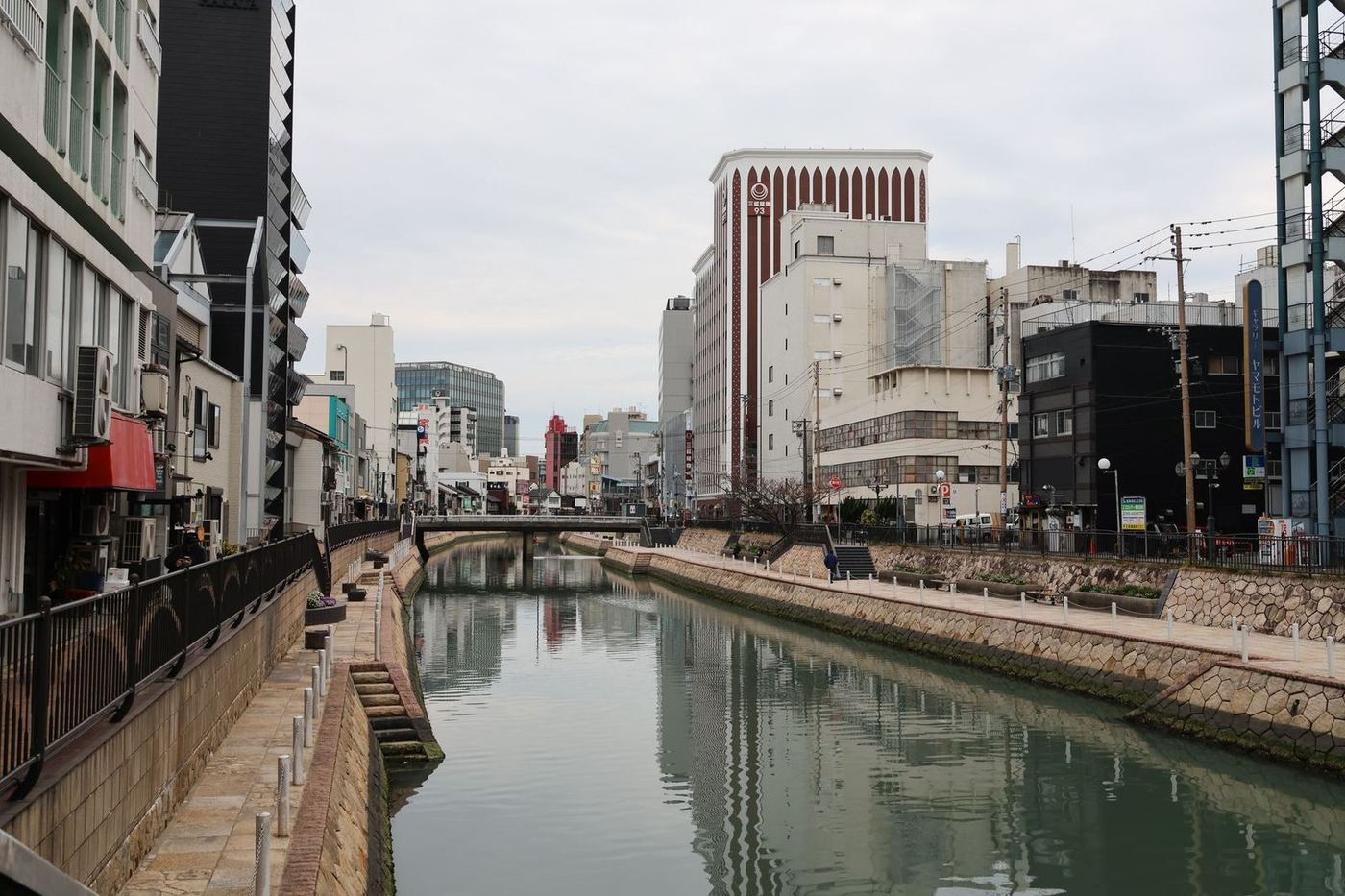
Mojiko Retro, a historic port district, is located in Kitakyushu. This city is part of Fukuoka Prefecture, Japan. It lies on the Kanmon Strait, facing Yamaguchi Prefecture. The area underwent revitalisation starting in the 1980s. This project transformed the district. It now showcases early 20th-century architecture.
Visitors can explore restored buildings and waterfront museums. Local cuisine, including yaki curry, is also available. The district also reveals a surprising link to bananas. Mojiko Retro provides a distinct view of Japan's maritime history. It blends historical context with contemporary appeal. The district serves as a significant cultural destination.
It attracts those interested in Japan's industrial and trade past. Its coastal setting offers views across the strait. The district provides a comprehensive look at Japan's port heritage. This includes both its past and current operations.
JR Mojiko Station's Historical Significance
JR Mojiko Station serves as a primary entry point. It marks the northernmost stop on the JR Kagoshima Line. The station first welcomed commuters in 1914. It replaced an older Moji station. This eased increasing traffic between Kyushu and Honshu. Mojiko Station holds several historical distinctions. It featured Kyushu’s first electric clock in 1918.
It also became Japan’s fifth nationwide. In 1988, it was the first train station designated an Important Cultural Property. Extensive restorations occurred from 2012 to 2019. These efforts restored its original Neo-Renaissance design. The station now features old-fashioned signage. A station bell is available for visitors. Rustic wooden arched roofs cover the platforms.
Former waiting rooms now house a ticket office and a cafe. Old photographs and plaques adorn the Taisho-era interior. This blend offers a preview of the district's past and present. The station itself acts as a museum piece.
The Former Moji Mitsui Club and Notable Visitors
Mojiko Retro features numerous restored historical buildings. Many now function as small museums, restaurants, and cafes. These structures often combine European and Japanese architectural elements. This reflects Japan's international trading port cities. Asymmetrical windows and rough exterior walls are common. Art Deco interiors meet Japanese-style roof tiles.
The Former Moji Mitsui Club, built in 1921, is a key example. It was initially located near the mountains. The club was relocated to its present site in the 1990s. Albert Einstein stayed here for five days in 1922. His visit occurred during his Japan tour. Memorial rooms display personal artefacts, including a handwritten letter.
A photograph of Einstein with his violin is also present. Renowned author Fumiko Hayashi is also commemorated upstairs. A replica of her desk and travel diary are on display. Personal letters offer insight into her life. The club's first floor hosts a restaurant. It serves yaki curry, a local speciality.
Dalian Friendship Building and Waterfront Attractions
The Dalian Friendship Memorial Building also stands out. Constructed in 1994, it replicates the old Trans-Manchurian Railway office. This office was located in colonial Dalian, China. The building blends Russian, German, and Chinese architectural influences. High steeples and rounded roof tiles are prominent features. A Chinese restaurant occupies its ground floor.
The second floor provides information on Dalian-Mojiko relations. This structure symbolises the complex historical ties. It reflects the interplay between European, Japanese, and Chinese powers. Along the Mojiko Retro waterfront, further attractions await. The Kanmon Straits Museum provides views and insights. Visitors can enjoy a coffee from its vantage point.
The area offers a full day or weekend of exploration. It provides a tangible link to Japan's past. It also shows its contemporary port life.
Implications for Travellers and Industry Outlook
Mojiko Retro presents a compelling option for travellers. It offers a structured exploration of Japanese port history. The district's preserved architecture provides context. Cultural sites like the Moji Mitsui Club enrich any visit. Its proximity to major rail links enhances accessibility. The area is just three local train stops from JR Kokura station.
That station connects to the bullet train network. Travellers seeking historical immersion will find value. The blend of past and present creates a unique atmosphere. This destination supports a deeper understanding of Japan. It moves beyond typical tourist routes. Industry stakeholders observe the success of such revitalisation efforts.
These projects can drive regional tourism growth. They also preserve national heritage for future generations. This offers a model for other historical sites.
Get The Post.
The global travel stories that matter, three mornings a week. Free.