MTU Aero Engines: Geared Turbofans, SAFs Key to Next-Gen Aircraft Efficiency
German manufacturer MTU Aero Engines suggests future aircraft propulsion efficiency will stem from refining existing geared turbofan technology and sustainable aviation fuels, rather than entirely new designs.
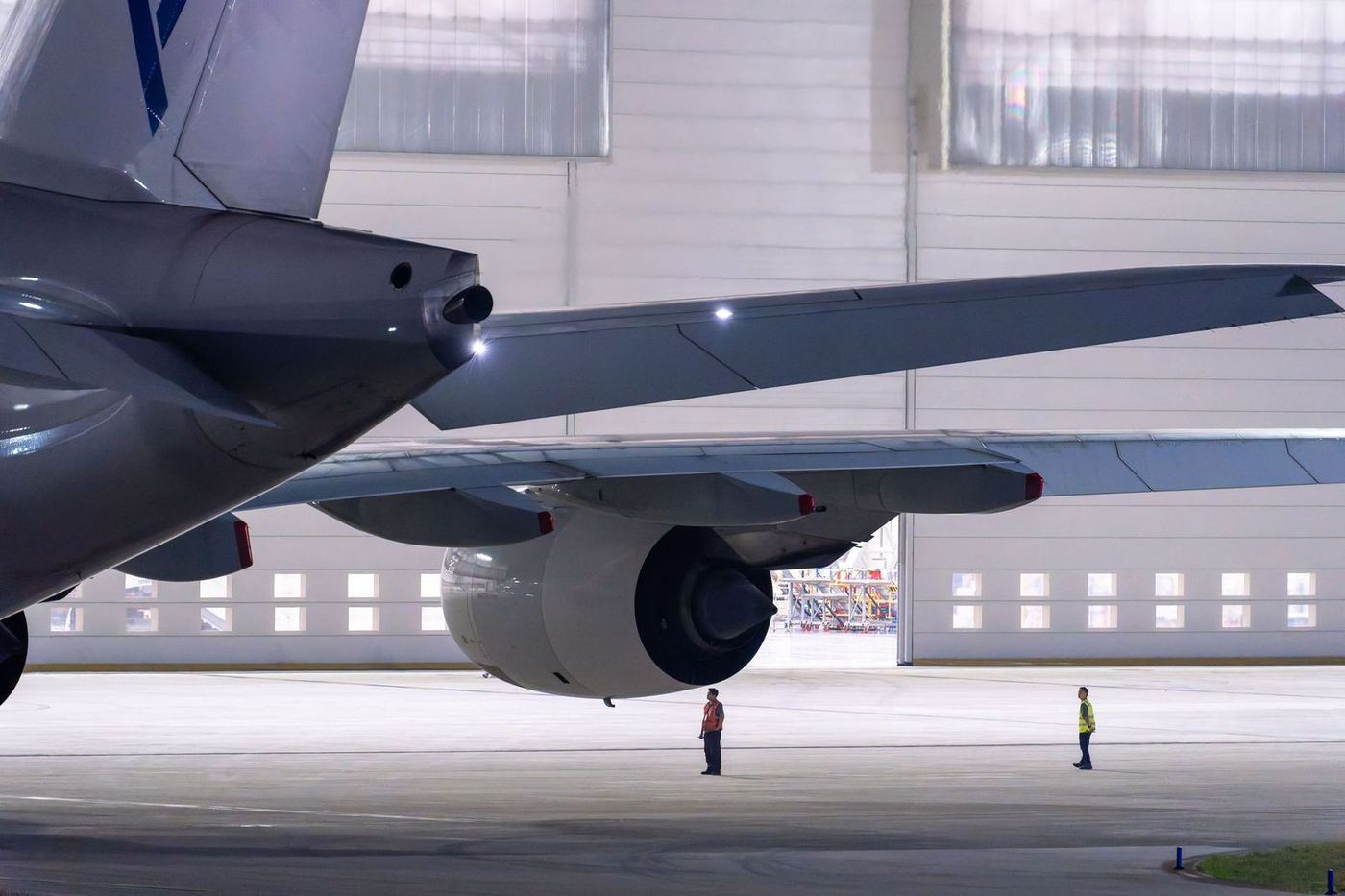
Evolutionary Path for Aircraft Propulsion
MTU Aero Engines, a prominent German engine manufacturer, contends that the next era of commercial aviation propulsion will be characterised by evolutionary enhancements to current engine designs rather than revolutionary new architectures.
Speaking on 11 August 2026, André Sinanian, Senior Vice President of Commercial Engine Programs at MTU Aero Engines, stated that the existing geared turbofan (GTF) platform holds substantial undeveloped potential.
The company believes that its current GTF engine provides an excellent foundation for meeting future requirements without the need for a completely new engine design, thereby avoiding the immense costs and development timelines associated with entirely novel concepts.
This perspective reflects a broader industry consensus that significant efficiency gains will arise from continuous improvements to advanced engines already in service, leveraging advancements in materials, manufacturing techniques, and digital engineering.
Historical Shifts and Current Industry Demands
Historically, aviation propulsion has advanced through landmark designs, such as the introduction of the high-bypass turbofan in the 1960s and geared turbofan technology in the past decade. These breakthroughs, often requiring billions of dollars in research and certification, fundamentally altered commercial aircraft operation and efficiency.
However, the industry’s focus has shifted significantly. Airlines now prioritise reducing fuel consumption, emissions, maintenance expenditures, and noise levels, alongside demanding greater reliability from their propulsion systems.
Rather than awaiting another generation for a completely novel propulsion concept, manufacturers can now achieve considerable improvements by continuously optimising today’s most sophisticated engines, a philosophy championed by MTU Aero Engines, which sees ample room for refinement within existing frameworks.
MTU Aero Engines' Pivotal Role in the Supply Chain
While major engine assemblers like Pratt & Whitney, GE Aerospace, and Rolls-Royce are widely recognised, MTU Aero Engines maintains a central position within the global aerospace supply chain. Mr Sinanian explained that MTU operates across three key business areas: original equipment manufacturing (OEM), commercial maintenance, repair, and overhaul (MRO), and military engines.
The company specialises in designing and manufacturing critical engine components, which are then supplied to major engine manufacturers for final assembly. MTU Aero Engines collaborates with Pratt & Whitney, GE Aerospace, and Rolls-Royce on various engine programmes worldwide.
This involvement means that every third engine globally contains an MTU component, with one-third of the geared turbofan engines being assembled by MTU in Munich.
Implications for Future Aircraft Development
The industry's move towards refining existing engine technology, as advocated by MTU Aero Engines, suggests a future where efficiency improvements are delivered through a combination of smaller, continuous innovations rather than singular revolutionary leaps.
For airlines, this approach could translate into more predictable cost savings and environmental benefits derived from a steady stream of upgrades to current fleets, potentially accelerating the adoption of sustainable aviation fuels and advanced materials.
Engine manufacturers will likely focus research and development on optimising current platforms through digital engineering and hybrid systems. This strategy demonstrates a practical approach to meeting evolving demands for reduced operational costs and environmental impact in commercial aviation.
Get The Post.
The global travel stories that matter, three mornings a week. Free.