Muslim Travel Market Forecasts US$310 Billion with AI Reshaping Planning
The Mastercard-CrescentRating Global Muslim Travel Index 2026 projects 262 million international arrivals by 2030, with artificial intelligence increasingly curating halal-friendly travel.
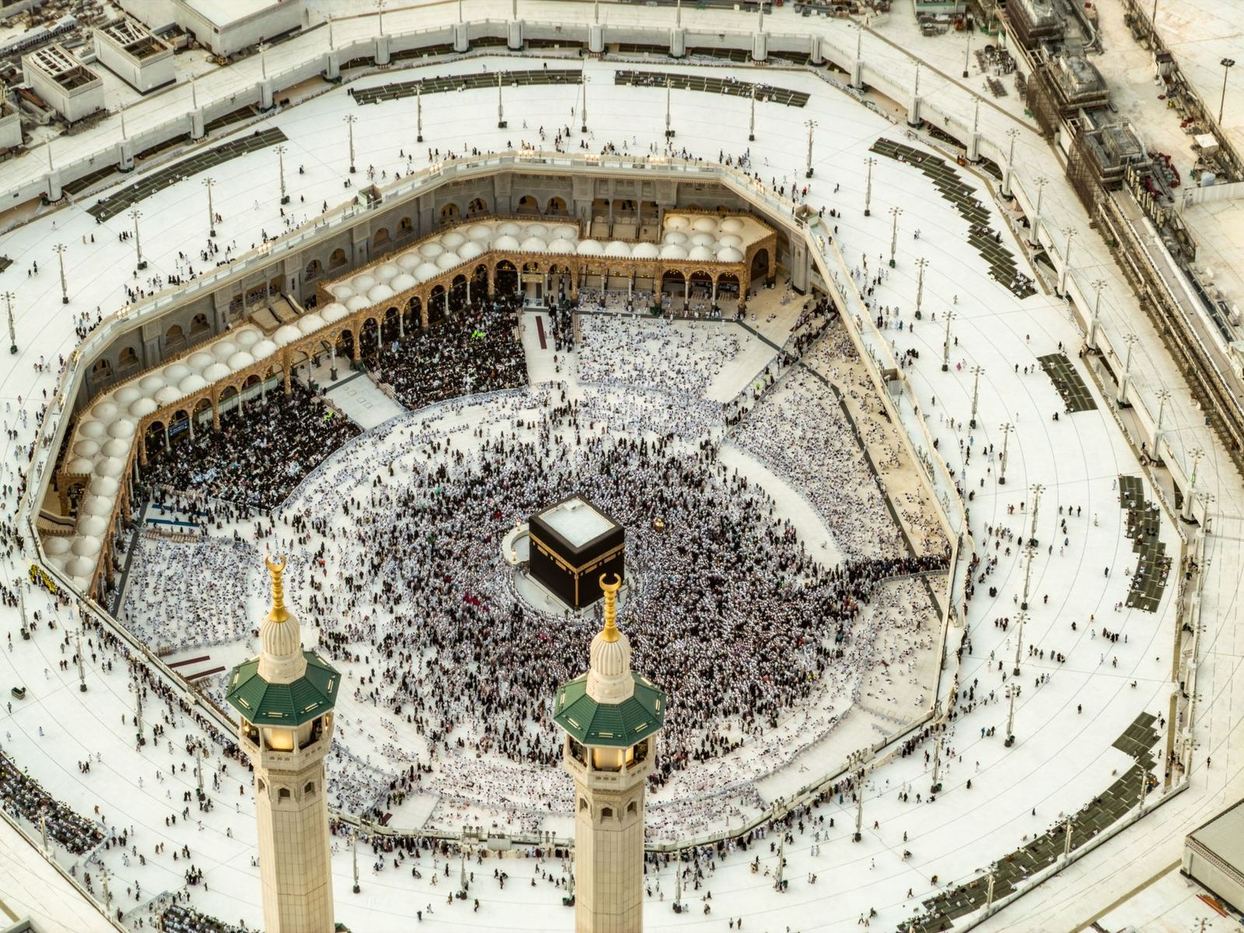
Muslim Travel Market Surges to US$310 Billion by 2030
The global Muslim travel sector is poised for significant expansion, with international arrivals forecast to reach 262 million by 2030, generating an estimated US$310 billion in annual expenditure. This projection comes from the Mastercard-CrescentRating Global Muslim Travel Index (GMTI) 2026, which also notes a diversification in source markets.
Growth is increasingly driven by diaspora communities across Europe, North America, and East Asia, creating a broader base of travellers. Fazal Bahardeen, founder and CEO of CrescentRating and HalalTrip, stated that this trend is no longer a post-pandemic recovery story, but represents a permanent shift in the market baseline. Destinations must now adjust their strategies to align with this new reality.
AI Transforms Trip Planning and Discovery
Artificial intelligence is fundamentally altering how Muslim travellers plan and book their trips. The GMTI 2026 found that 80 per cent of travellers now use AI tools for travel planning, indicating a clear move towards AI-assisted decision-making.
Instead of manually searching for halal restaurants, prayer facilities, or Muslim-friendly accommodation, travellers are increasingly relying on AI-powered assistants. These tools can interpret specific traveller preferences and provide curated itineraries in real time.
Recognising this shift, CrescentRating has developed the AI Recommendation Readiness Auditor (AIRA), a beta tool designed to assess how visible and credible destinations and tourism businesses appear within AI recommendation systems.
It also introduced the Destination Activation Stack, a framework to help destinations ensure their Muslim-friendly services are discoverable, trusted, and relevant in this AI-driven environment. Fazal Bahardeen cautioned that destinations not optimised for AI readability risk becoming invisible to the next generation of Muslim travellers.
Trust and Personalisation Present Challenges
While AI offers enhanced discoverability, it also introduces challenges, particularly concerning trust and the fragmentation of information. Halal certification, for instance, remains a complex area, with varying standards and jurisdictions making it difficult for AI systems to verify a restaurant's halal compliance accurately.
This contrasts with structured data like prayer times and qibla directions, which AI can easily process. Umair Hameed, vice president, consumer solutions sales lead for South-east Asia at Mastercard, encapsulated this dilemma by asking, "In God we trust. But can you really trust your agent?" Beyond discoverability and trust, the industry faces an opportunity in personalisation.
Fateh Ali, founder and CEO of SmartDeen.com and Twillion.ai, highlighted that while Muslim travellers share religious requirements, their expectations, behaviours, and spending power vary significantly across markets. AI could address these differences by combining behavioural data, travel history, and contextual information to tailor individual experiences.
Asian Hospitality Adapts to AI-Driven Preferences
The hospitality sector, particularly in Asia, is already adapting to these evolving traveller preferences, moving beyond basic halal certification to understand guest needs before arrival. Far East Hospitality, with serviced residences in Singapore, has adjusted offerings for its important segment of Gulf Cooperation Council travellers.
This includes replacing alcoholic minibars with non-alcoholic options, providing dedicated crockery and cutlery, and tailoring services to cultural preferences. Dieter Ruckenbauer, general manager of Le Méridien Bangkok, noted that anticipating guest needs prior to their arrival represents the ultimate luxury, providing peace of mind.
The next phase of growth in Muslim travel will be shaped by destinations and travel brands that successfully integrate trust, discoverability, and personalisation through AI.
Asian operators, such as those in Singapore and Bangkok, are demonstrating how to remain competitive by delivering experiences relevant to individual travellers, rather than solely increasing general Muslim-friendly facilities. This proactive approach ensures they capture a significant share of the expanding market.
Get The Post.
The global travel stories that matter, three mornings a week. Free.


