oneworld Alliance Members Pledge to Combat Wildlife Trafficking
The alliance announced its unanimous commitment to the Buckingham Palace Declaration on 16 October 2026, with Royal Jordanian completing the signatures across 15 member airlines.
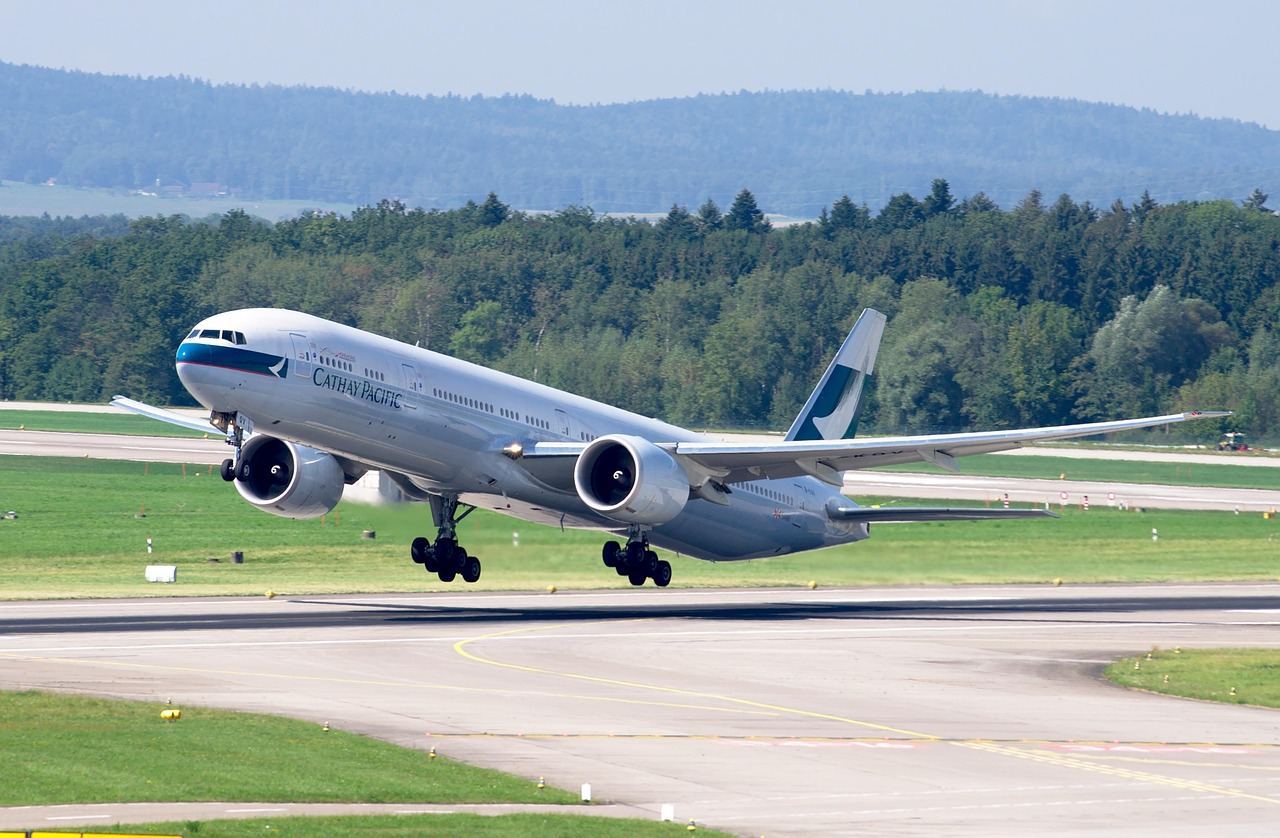
Alliance-wide Commitment Against Illegal Wildlife Trade
oneworld and its 15 member airlines have collectively committed to the Buckingham Palace Declaration, aimed at disrupting illegal wildlife trafficking. The alliance announced this development in Brussels on 16 October 2026, noting that Royal Jordanian’s signature completed the unanimous participation.
This marks the first time an airline alliance has achieved full member support for the declaration. The commitment extends across oneworld’s extensive network, which serves nearly 1,000 destinations globally.
This initiative seeks to standardise efforts among its diverse carriers, including major Asian and Asia-Pacific operators such as Cathay Pacific, Japan Airlines, Qatar Airways, and Qantas.
Operational Measures and Global Reach
The pledge establishes a unified platform for enhanced staff training, improved procedures for reporting suspicious activities, and strengthened cooperation with law enforcement agencies. oneworld CEO Ole Orvér stated that universal participation would boost the alliance’s capacity to identify and disrupt trafficking operations.
Measures include implementing zero-tolerance policies, providing frontline personnel with specific training, and bolstering screening processes. These actions are intended to integrate wildlife protection into the routine operational responsibilities of member airlines, subject to individual carriers funding and enacting the necessary procedures. This commitment affects operations at airports and cargo terminals across the alliance's global footprint.
The Buckingham Palace Declaration Framework
The Buckingham Palace Declaration, launched in March 2016 by the Royal Foundation’s United for Wildlife initiative, provides a framework of 11 commitments developed by transport, conservation, legal, and customs experts.
Its core objectives include supplying transport companies with actionable intelligence on trafficking risks, establishing secure channels for reporting suspicious shipments, and alerting authorities to suspected illegal wildlife cargo. Companies are also expected to decline such shipments where feasible.
While individual airlines, including SkyTeam member China Airlines in June 2017, have signed the declaration previously, oneworld's distinction lies in securing an alliance-wide, unanimous commitment.
Implications for Asian Aviation and Operations
For Asian carriers within the oneworld alliance, such as Cathay Pacific, Japan Airlines, Qatar Airways, and Qantas, this commitment requires integrating new protocols into their extensive regional and international operations.
These airlines will need to implement specific staff training, particularly for cargo and check-in personnel at major Asian hubs like Hong Kong, Tokyo, Doha, and Sydney. Enhanced screening procedures and direct cooperation with customs authorities and conservation organisations will become standard.
While other Asian airlines, like China Airlines, have already taken similar individual steps, oneworld’s collective approach aims to create a more consistent operational standard across its member networks, potentially influencing how other alliances in the Asia-Pacific region, such as SkyTeam, address similar challenges in the future.
Get The Post.
The global travel stories that matter, three mornings a week. Free.


