Rockaway Film Festival Ends 25-Year Cinema Hiatus
The Rockaway Film Festival spearheads a cultural revival in coastal Queens, re-establishing cinema in New York City's Rockaways after a 25-year hiatus.
Cinema Returns to Rockaways
The Rockaway Film Festival (RFF) is spearheading a revival of cinema culture in the Rockaways, Queens, New York City, following a 25-year period without a commercial indoor theatre in the area. The non-profit organisation launched the festival nine years ago, initially presenting films at various locations such as Fort Tilden and Jacob Riis Park.
This sustained effort culminated in 2021 with the establishment of Arverne Cinema, which remains the sole indoor cinema on the peninsula today. The festival's primary objective is to re-establish movie-going as a local community pastime, harking back to a period when coastal Queens boasted a flourishing cinema landscape.
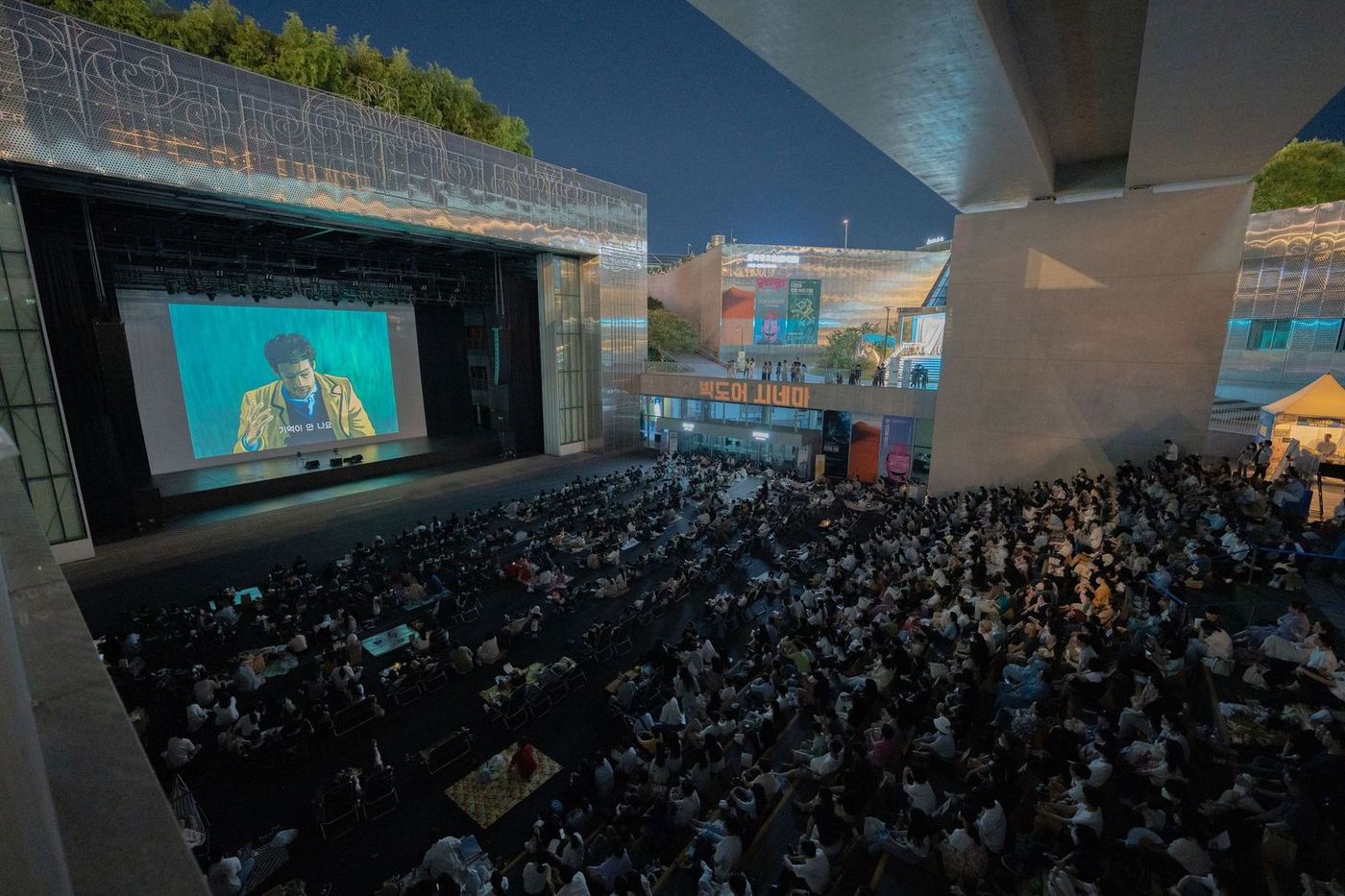
This year's event, RFF9, commenced with a diverse programme of films and live performances, attracting attendees to its distinctive open-air screening location. This initiative demonstrates a local commitment to cultural preservation and innovation, providing a unique attraction for both residents and visitors to the Rockaways.
A History of Coastal Movie-Going
The Rockaways once featured a robust cinema presence, with a “golden age” spanning from the 1920s to the 1950s. During this period, the peninsula hosted numerous theatres, offering double features for 25 cents, permitting smoking, and employing attendants dressed in faux tuxedos.
Notable venues included the Park Theater, known for its controversial programming that sometimes drew protests from local churches, and the Arverne Theater, which also served as a venue for Yiddish acts from the area's Jewish community until its dismantling in 1952.
Another significant structure was the neoclassical Arverne Pier Theater, complete with Corinthian columns, which stood until its destruction in a storm in 1914. This flourishing era concluded due to a combination of factors, including post-Second World War demographic shifts, devastating building fires, and a general decline in the neighbourhood.
The last commercial cinema, Jerry Lewis Cinema, closed in 1996, initiating the 25-year absence of indoor movie theatres in the Rockaways.
RFF9: Programme and Setting
The current Rockaway Film Festival (RFF9) transforms an outdoor space into a cinema, featuring a perimeter constructed from concrete cubes and planks salvaged from the boardwalk damaged during Hurricane Sandy. The ground is filled with gravel and sand, creating an unusual setting beneath the flight path of aircraft departing from nearby JFK Airport.
While the present-day venue contrasts with the grander architectural styles of its predecessors, such as the Arverne Theater with its vertical marquee, the focus remains on the screen and the shared viewing experience. This year's programming is both eclectic and affordable, with tickets capped at $10 and several films screened free of charge to ensure broad accessibility.
The festival opened with the world premiere of “Eternity One,” a documentary by Baltimore-based filmmaker Marnie Ellen Hertzler about Tangier Island. Other scheduled showings include “The Muppets Movie” from 1979, animated shorts themed “Romantasy,” and a Dabke dance workshop presented by El-Funoun, a traditional Palestinian dance company founded in 1979.
Local Impact and Future Outlook
Beyond its film screenings, the Rockaway Film Festival integrates local live performances, enhancing the communal atmosphere. These acts, ranging from Brooklyn slacker prog to Roots reggae DJ sets, often precede screenings or extend the evening's entertainment after the films conclude.
This approach demonstrates the festival's broader aim to foster community engagement and celebrate local talent, moving beyond a simple film exhibition. For travellers and the local industry, the festival represents a significant cultural asset.
It provides a distinct reason to visit the Rockaways, offering a unique cultural activity that distinguishes the area from other parts of New York City. The event contributes to the local economy by drawing attendees who may utilise local services and businesses.
The festival's commitment to affordability and diverse programming also ensures it remains accessible, strengthening its role as a community cornerstone and a draw for cultural tourism in coastal Queens.
Get The Post.
The global travel stories that matter, three mornings a week. Free.