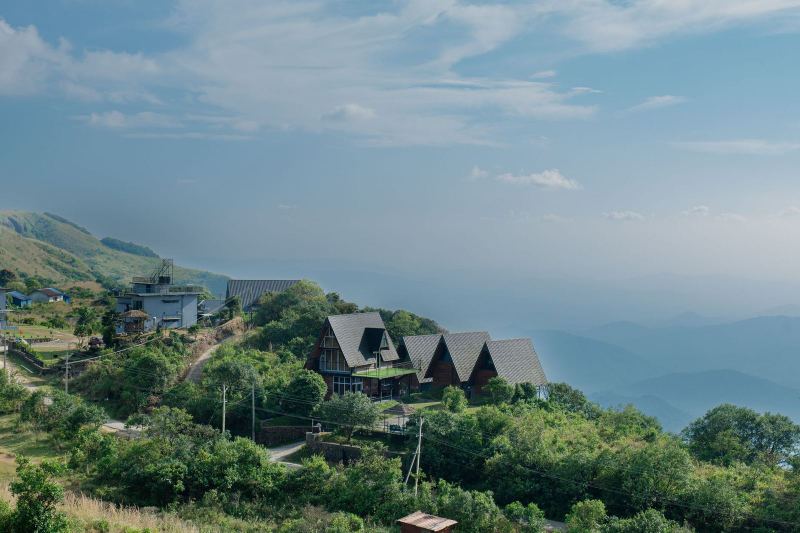
Setomaa, Estonia, Upholds Orthodox Easter Traditions Amidst Border Divisions
Setomaa, a culturally distinct region in southeast Estonia, maintains its unique Orthodox Christian Easter traditions. The Seto people preserve ancient rituals and communal celebrations, which form a core part of their identity, despite the Estonian-Russian border dividing their ancestral lands.
Cultural Identity on the Border
Setomaa, located in southeast Estonia, sits adjacent to the Russian border, approximately 65 miles south of Tartu. This region hosts the Seto people, a community distinguished from other Estonians by their religion and dialect. Seto belief is rooted in Orthodox Christianity, a tradition that arrived from Russia.
This adherence means Seto Easter follows the Julian calendar, arriving earlier than the Lutheran Easter observed across much of Estonia, as local guide Helen Külvik explains. The land itself is flat, with trails like the Metsa hiking route traversing the Piusa River valley and its pine forests.
The term Setomaa translates to “the land of the Seto,” reflecting its status as a distinct cultural area within Estonia.
Easter Preparations and Communal Festivities
Easter represents the Seto people's most significant annual celebration. Preparations begin with customs such as the traditional Seto smoke sauna, where host Reimi Kerdt noted Easter ham might be smoked alongside the sauna ritual.
A key tradition involves decorating eggs; proprietor Iti Toom guides participants in wrapping string around chicken eggs before placing them in simmering onion skins. This process imparts a crimson colour to the shells, while rice and wax create intricate patterns, according to Helen Külvik.
Gatherings at places like Iti Leiväküük café in Obinitsa involve consuming hansa, a strong liquor, and kasemahl, or birch-sap water. These communal meals often feature smoked sausage and bulgur wheat, followed by spirited sing-alongs in Estonian, Seto dialect, and German.
Spiritual Connections and Ancestral Reverence
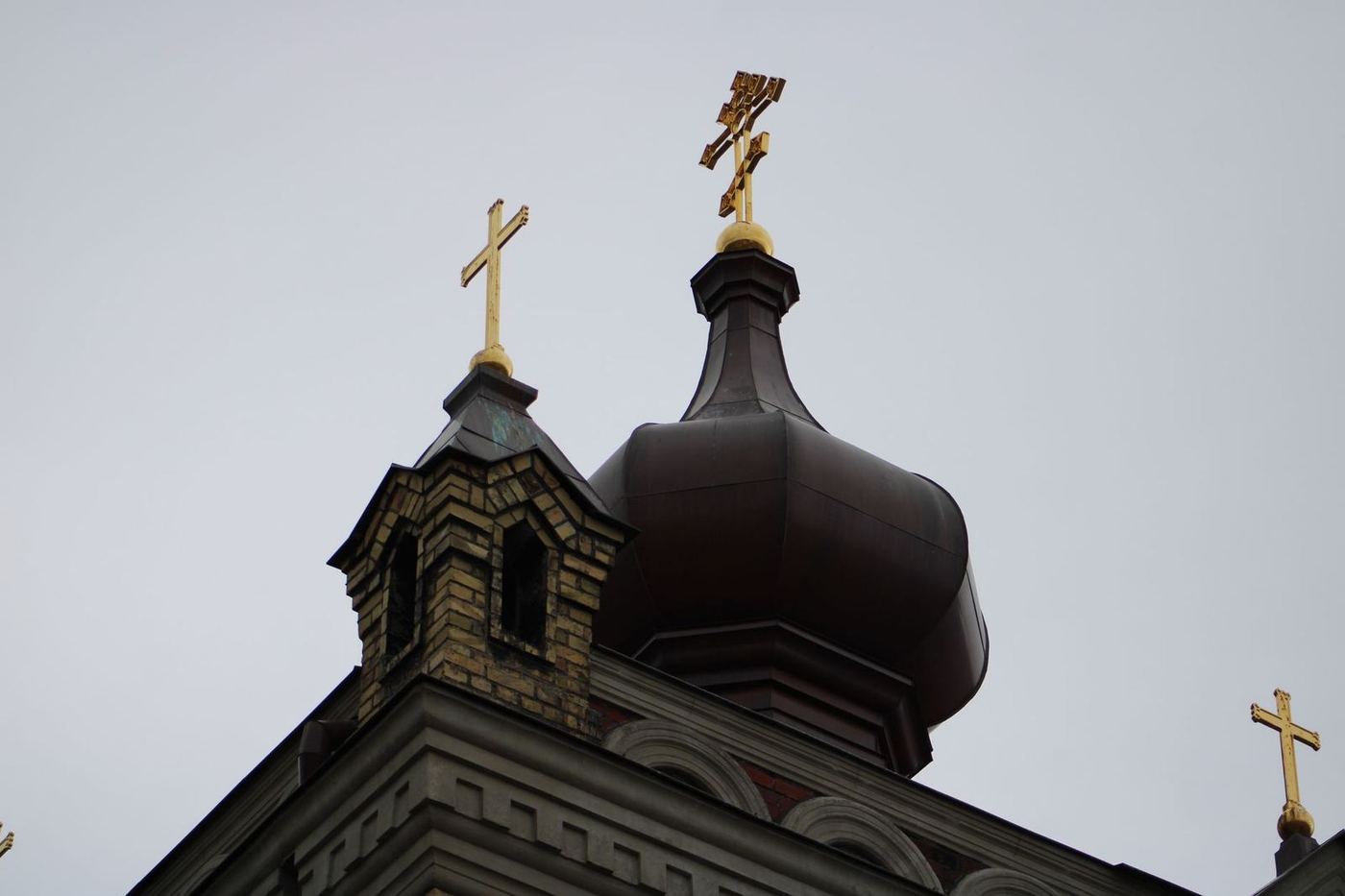
The spiritual aspect of Seto Easter includes midnight church services, such as those held at the pale-green Transfiguration Church in Obinitsa. Here, devotees carry candles in a procession around the building. A central Seto practice involves visiting ancestors' graves in cemeteries on holy days.
Families picnic among the graves, light candles, and engage in conversation with the deceased.
Helen Külvik clarifies this practice blends Russian Orthodox and pre-Christian beliefs, noting that Seto vocabulary describes death as “falling asleep.” The division of Setomaa by the Estonian-Russian border, established after the Soviet Union’s dissolution, complicates these ancestral visits for Seto people whose family graves now lie on the Russian side.
Parades, Song, and Traditional Games
Easter Sunday features a parade where men, dressed in cream woolen coats with geometric patterns, black fedoras, and boots, carry a basket on a long pole through the village. They sing cheerful folk tunes, stopping at each steep-roofed wooden home to collect decorated eggs.
Following the men, women of the leelo choir, adorned in red embroidery and silver jewellery, perform polyphonic songs and dance in circles. These leelo songs are recognised by UNESCO as intangible cultural heritage. After visiting all homes, the community gathers on the village green for an egg-rolling game.
This activity involves rolling eggs down a birch bark ramp in a sand arena, aiming to hit other eggs at the bottom, concluding the festive observances.
Cultural Resilience and Travel Insights
The continued observance of these intricate traditions by the Seto people demonstrates significant cultural resilience. This commitment to heritage persists despite geopolitical challenges, including the border that divided their historical lands. The end of communism, however, also fostered a flourishing of Seto culture, which the community now shares.
For travellers, Setomaa offers a specific window into a unique European culture, providing opportunities to observe authentic rituals and local life. Venues like Seto Tsäimaja provide Seto food and music, while local cafés like Iti Leiväküük offer direct engagement with community members.
This ongoing dedication ensures the preservation of Seto identity for future generations and presents a compelling reason for cultural exploration.
Get The Post.
The global travel stories that matter, three mornings a week. Free.