UHNW Travellers Prioritise Remote Luxury Lodges Post-Pandemic
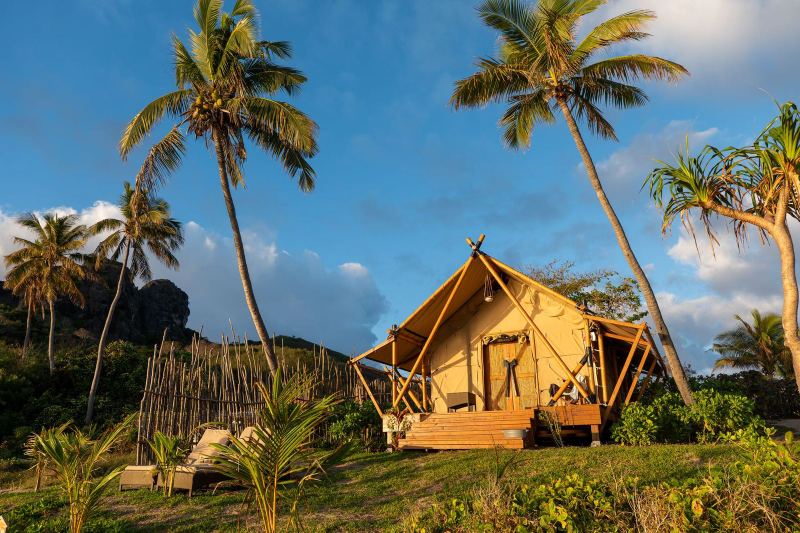
Wealthy travellers are increasingly choosing remote luxury lodges over conventional five-star hotels, a trend that gained momentum post-pandemic. This shift reflects a demand for immersive, authentic stays in wilderness settings, driving investment into independently owned, experience-rich properties globally.
Demand for Secluded Luxury Grows Post-Pandemic
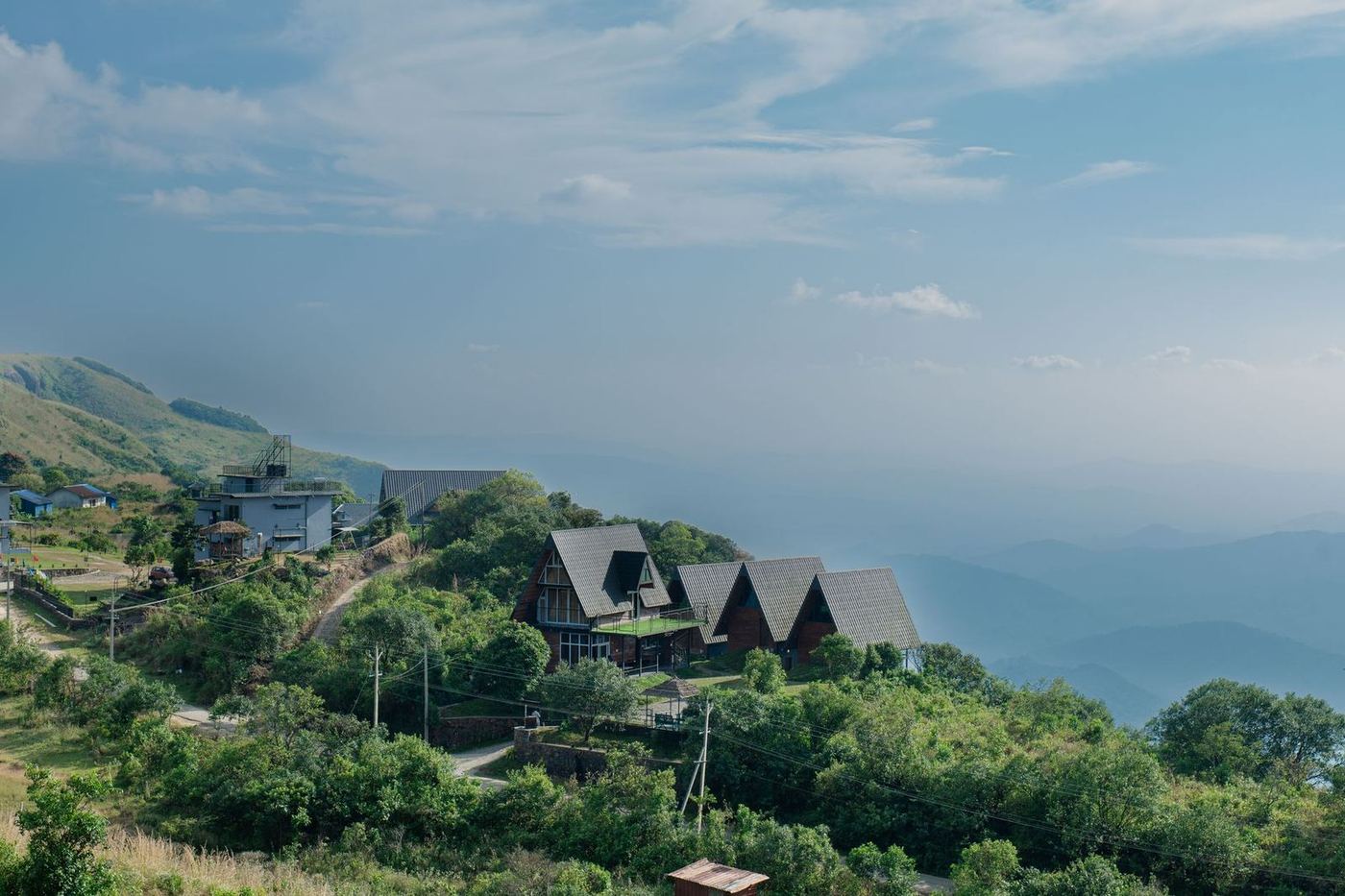
Post-pandemic, ultra-high-net-worth individuals are demonstrating a clear preference for remote luxury lodges, moving away from traditional five-star hotel settings. This change is driven by a desire for more distinctive and authentic stays within natural environments. Deutsche Bank Wealth Investment reported that investors have increasingly backed “experience-rich assets” since the pandemic, leading to a notable increase in independently owned lodges. Hundreds of high-end nature retreats and safari camps have debuted worldwide since 2023, reflecting this investment trend.
Lindsay Messina, cofounder of Fioraé Luxury Travel, noted that the category is experiencing significant growth. Messina stated that travellers who have frequently visited top hotels now seek something more “immersive, intimate, and rooted in place.” She added that a lodge represents “a feeling of being completely immersed in a place,” and once clients visit such properties, they often do not wish to return to conventional options.
Niehku Mountain Villa Exemplifies Wilderness Appeal
Niehku Mountain Villa in Riksgransen, Sweden, illustrates this shift towards remote luxury. Riksgransen, with a population of approximately 60, serves as Sweden’s northernmost ski resort, situated 125 miles south of the Arctic Circle. The area is characterised by continuous summer daylight, sub-zero winter temperatures extending into May, and heavy snowfall that keeps it sparsely populated.
Despite its challenging accessibility—a 17-hour sleeper train ride from Stockholm—the destination attracts finance professionals, technology leaders, and C-suit executives. These guests seek opportunities for heli-skiing across 2,000 square miles of off-piste terrain. Niehku Mountain Villa, a 14-double-room property, offers amenities such as an authentic Swedish sauna with an aufgussmästare, Håstens beds, and a wine cellar housing 3,000 bottles, including Romanée-Conti selections. While rooms are available from $730 per night, full property buyouts are common, priced at $11,000 per night, according to the source.
European Real Estate Reflects Experiential Demand
The European real estate market shows a parallel trend in demand for experiential luxury. In Switzerland, international buyers are driving up prices in alpine regions, particularly for second holiday homes and chalet-style lodges. Verbier and Gstaad have emerged as some of the country’s most expensive tourist destinations, trailing only St. Moritz. Joachim Jacob, general manager of Four Seasons Megeve in the French Alps, confirmed the growing demand across Europe for “experiential luxury and nature-led hospitality.”
Jacob observed that this growth in alpine regions is more than a fleeting trend. He noted that travellers are increasingly drawn to destinations that combine exceptional service with outdoor activities, wellness programmes, and a strong sense of local identity. This indicates a broader market movement towards integrated luxury offerings that prioritise engagement with the environment and local culture.
Evolution of Remote Hospitality and Market Outlook
The concept of remote luxury hospitality has evolved significantly from earlier “glamping” models. It now encompasses “wilderness palaces” that provide traditional five-star accommodation alongside bespoke perks such as destination dining, longevity and wellness programming, and unique activities that appeal to exclusive social circles. At Niehku Mountain Villa, co-owner and creative director Thomas Eidefors oversees a hospitality programme that includes guided expeditions with arctic mountaineering expert Robert Gustafsson, alongside an award-winning culinary team.
This sustained demand for remote, high-end lodges suggests continued investment in niche properties that offer privacy, adventure, and personalised service. Traditional luxury hotel groups may need to acquire or develop similar unique properties to remain competitive. This trend drives development in previously less-accessed natural areas, which could impact local economies and necessitate careful consideration of environmental conservation as the market for such exclusive destinations expands.
Get The Post.
The global travel stories that matter, three mornings a week. Free.