Unlock Savings: Czech Republic, Denmark & Non-Euro EU Nations' Currency Guide
Six European Union member states continue to use their national currencies instead of the Euro, providing travellers with different exchange rate dynamics. This allows for greater national monetary policy control and can influence travel budgets for visitors from outside the Eurozone.
EU Members Outside the Eurozone
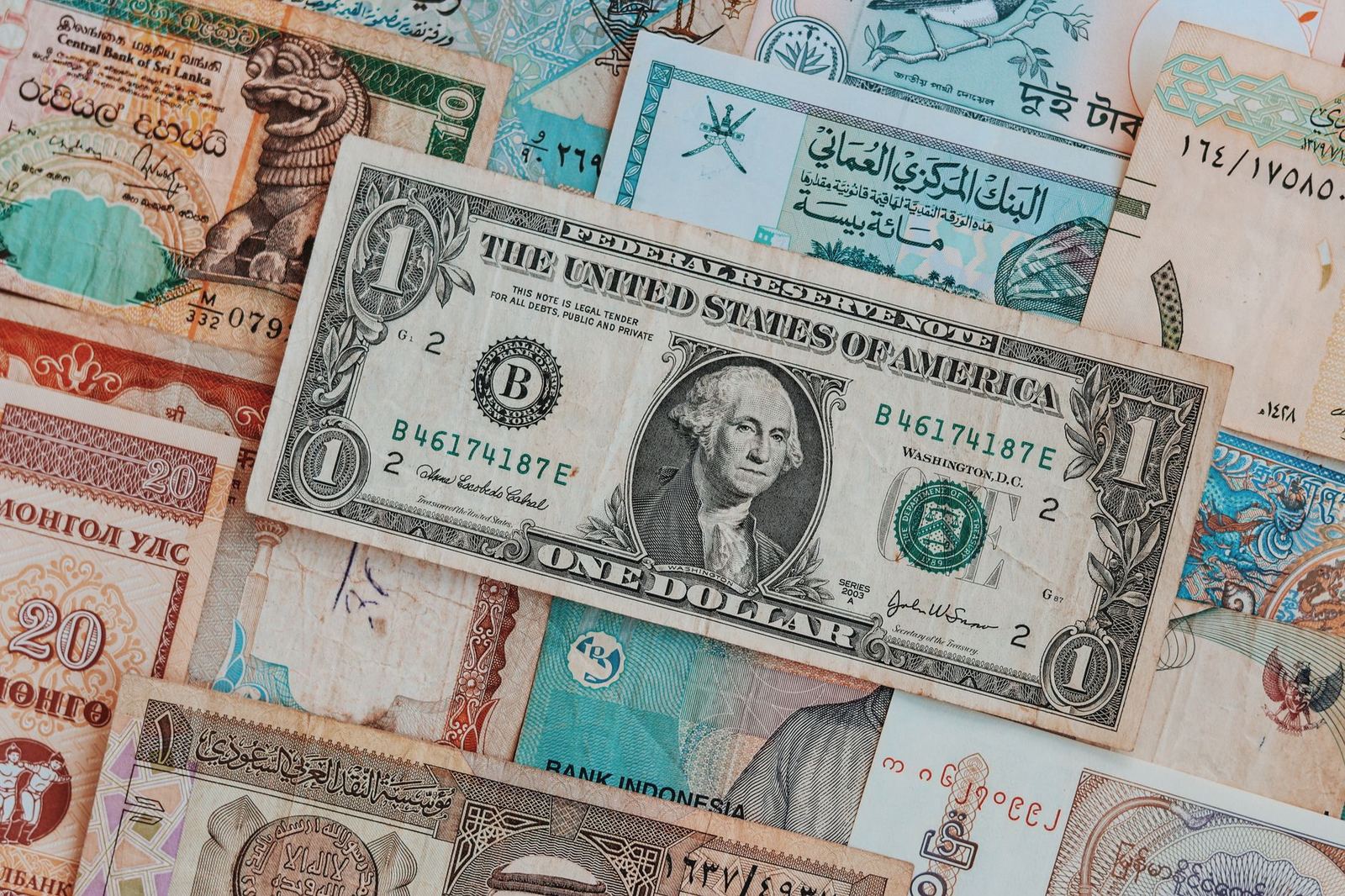
Six member states of the European Union continue to operate with their own national currencies, rather than adopting the Euro. These countries—the Czech Republic, Denmark, Hungary, Poland, Romania, and Sweden—maintain distinct exchange rates, which can impact travel costs for visitors using non-Euro currencies such as the US dollar or British pound. This information, reported by Condé Nast Traveler on 3 August 2026, highlights a key consideration for budget-conscious travellers planning European trips.
Reasons for Independent Monetary Policy
While 21 of the 27 EU nations have adopted the Euro, forming the Eurozone, the remaining six have chosen to retain their monetary independence. Condé Nast Traveler explains that this allows these countries to dictate their own financial and monetary policies more fully. They can adjust exchange rates and interest rates to align with their specific economic needs, rather than being subject to the broader Eurozone policy. This approach also provides a buffer, potentially sparing them from the direct impact of financial crises affecting the Euro, as noted in the report.
Central European Destinations and Currencies
Among the non-Eurozone EU members are several Central and Eastern European countries. The Czech Republic, located in Central Europe, is known for its castles, some dating back to the 1300s, including Prague Castle. The nation also has a beer brewing tradition established as early as 993 AD. Its currency is the Czech Koruna (CZK). Hungary, despite its size, contains UNESCO Biosphere Reserves, Lake Hévz (the world’s second-largest thermal lake), Lake Balaton (Central Europe’s largest lake), and Hortobágy (Europe’s largest natural grassland). Its capital, Budapest, features distinctive architecture and wellness facilities. Hungary uses the Hungarian Forint (HUF). Poland, also in Central Europe, draws visitors with its medieval castles and World War II history museums, such as Auschwitz-Birkenau. The Polish Zloty (PLN) is its currency. Romania, the largest Balkan country, offers villages, castles, and natural landscapes, including the Danube Delta and Scărișoara, Europe’s second-largest underground glacier. It uses the Romanian New Leu (RON).
Northern European Options
Northern Europe also includes EU members outside the Eurozone. Denmark, the smallest Scandinavian country, is recognised for its gourmet food, culture, and design. Its capital, Copenhagen, features Nyhavn harbour and green spaces like Kastellet. Denmark’s currency is the Danish Krone (DKK). Sweden, another Scandinavian nation, possesses a stable economy and natural features such as the midnight sun in the north from May to mid-July, and the Northern Lights. Stockholm is noted for its design and maritime history. Sweden uses the Swedish Krona (SEK). For travellers, these distinct currencies mean that the value of their home currency will fluctuate differently across these destinations compared to those within the Eurozone.
Implications for Travel Planning
For travellers planning a trip to Europe, understanding which countries operate outside the Eurozone can be a practical consideration for budget management. The varying exchange rates of the Czech Koruna, Danish Krone, Hungarian Forint, Polish Zloty, Romanian New Leu, and Swedish Krona against currencies like the US dollar or British pound mean that purchasing power can differ significantly between these nations and their Euro-using neighbours. This knowledge allows travellers to assess where their currency may stretch further, informing their choice of destination or aiding in financial planning for multi-country itineraries. Monitoring these specific exchange rates before and during travel can assist in optimising spending.
Get The Post.
The global travel stories that matter, three mornings a week. Free.
By subscribing you consent to receive this newsletter from GlobalTravelPost (Asia Press Centre Pte. Ltd.); unsubscribe at any time.