Ulysses Riviera: Italy's Lesser-Known Coastline Between Rome and Naples Offers Historical and Coastal Appeal
The Ulysses Riviera, a 46.5-mile stretch of Italian coastline connecting Monte Circeo to Gaeta, presents a compelling alternative to more frequented destinations. Situated between Rome and Naples, this region is known for its deep mythological roots, ancient Roman structures, and a collection of picturesque seaside towns, attracting visitors with its historical depth and coastal charm.
Mythological Foundations and Roman Heritage
The Ulysses Riviera derives its name from Odysseus, the hero of Homer's epic, reflecting the area's strong mythological ties. This coastal region, extending approximately 46.5 miles from Monte Circeo to Gaeta, has been a draw for Romans since the rule of Emperor Tiberius, who governed from 14 to 37 CE. Archaeological findings at Tiberius's villa in Sperlonga underscore this connection; excavations in 1957, during the construction of the Via Flacca road, uncovered a grotto and significant statues depicting scenes from The Odyssey, including Polyphemus, Scylla, and Charybdis. These artefacts demonstrate the area's millennia-long association with ancient myths and legends. Local tradition places Circe's island, Aeaea, either on Ponza, an isle off the coast, or at Monte Circeo itself, the prominent mountain named after the sorceress, which may have appeared as an island due to surrounding marshlands.
A Timeless Retreat for Italian Holidaymakers
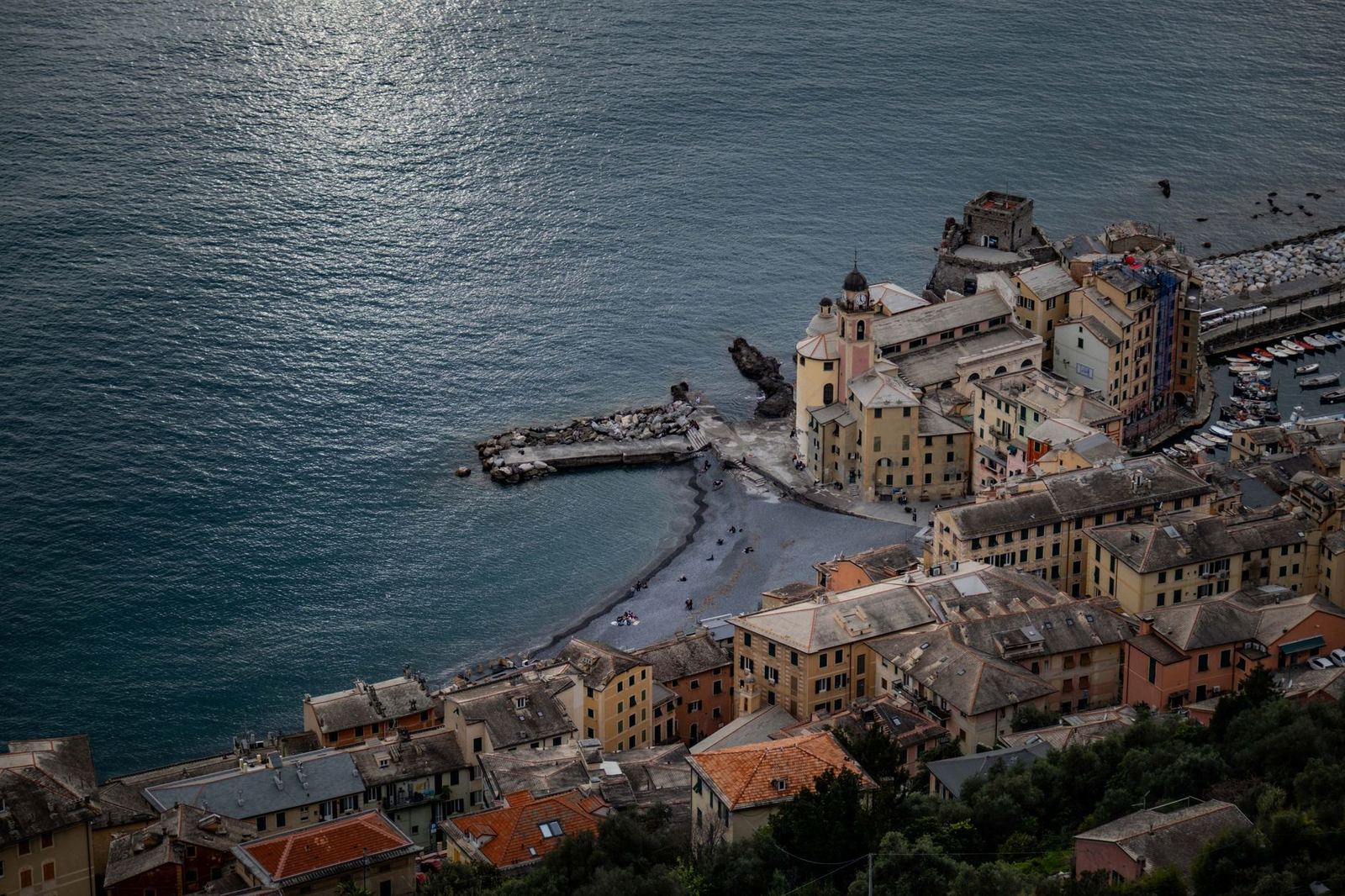
Beyond its historical significance, the Ulysses Riviera maintains a strong appeal for Italian holidaymakers, particularly Romans, who have long favoured its coastal towns for summer stays. The region offers a distinct atmosphere, reminiscent of the Amalfi Coast in the mid-20th century, characterised by rocky outcrops suitable for sunbathing, clear waters for swimming, and family-operated restaurants serving local dishes such as spaghetti with clams. Pastel-coloured buildings overlook busy ports, contributing to the area's unique character. Ponza, one of the islands in the Pontine Archipelago, provides a tranquil setting, with establishments like the Hotel Chiaia di Luna catering to visitors seeking a quieter coastal visit. This enduring popularity among domestic travellers highlights the region's consistent draw, built on its natural assets and cultural authenticity rather than transient trends.
Gaeta: Culture, Cuisine, and Coastal Leisure
Gaeta stands out as a focal point within the Ulysses Riviera, offering a blend of cultural depth and leisure activities. The town's medieval quarter features narrow lanes, traditional architecture, and small shrines, providing a glimpse into local life. Culinary offerings are a significant draw, with local specialities such as tiella, a savoury pie filled with ingredients like stewed octopus and tomato or escarole and olives, widely available. Outdoor markets provide opportunities to acquire regional products, including the renowned Gaeta olives. Beach clubs, such as Papardò, offer organised access to the coast, where visitors can relax on golden sands beside a striking shade of aquamarine water. Daria Reina, co-owner of the concept shop Chez Dede, notes that Gaeta and neighbouring Formia were popular holiday destinations for celebrities like Alberto Sordi, Gina Lollobrigida, and Cy Twombly between the 1950s and 1970s, drawing generations of families from Rome and Naples seeking pale sands and clear Tyrrhenian waters.
Terracina and Beyond: Exploring Ancient Roads and Local Flavours
Further along the Ulysses Riviera, Terracina presents additional historical and gastronomic points of interest. Visitors can walk sections of the Appia Antica, the ancient Roman road that once connected Rome to Brindisi. The town also features the ancient ruins of the Temple of Jupiter Anxur, positioned on a promontory overlooking the sea. Dining options include establishments like Da Mario l’Ostricaro, a retro restaurant known for its fresh seafood, and gelaterias offering local sorbetto made with sweet regional strawberries. The Via Flacca, constructed in 1957, serves as a primary artery connecting these various towns, facilitating access to sites like Sperlonga, Sabaudia, San Felice Circeo, Gaeta, Formia, and Terracina. This infrastructure supports both local movement and tourist exploration, allowing visitors to appreciate the diverse offerings of the coastline, from its historical sites to its contemporary leisure opportunities.
Outlook for Travellers and Industry
For travellers seeking alternatives to Italy's more crowded coastal destinations, the Ulysses Riviera presents a compelling option, offering a blend of historical context, mythological intrigue, and authentic Italian coastal life. The region's appeal to domestic holidaymakers shows its established infrastructure for leisure and hospitality, albeit on a scale different from global tourism hotspots. Industry stakeholders, including regional tourism boards and local businesses, could leverage the area's rich heritage and relatively preserved character to attract a broader international audience, particularly those interested in cultural depth and less commercialised coastal visits. Continued focus on promoting the distinct historical sites, unique local cuisine, and the unpretentious charm of its towns will be crucial for the Ulysses Riviera to gain further recognition on the global travel map in the coming years.
Get The Post.
The global travel stories that matter, three mornings a week. Free.
By subscribing you consent to receive this newsletter from GlobalTravelPost (Asia Press Centre Pte. Ltd.); unsubscribe at any time.