South Korea's Tourism Soars on Visa Easing, K-Culture Appeal
Foreign arrivals in South Korea reached 15.05 million through August 2026, with visitor spending hitting 14.02 trillion won, marking a significant rebound for the sector.
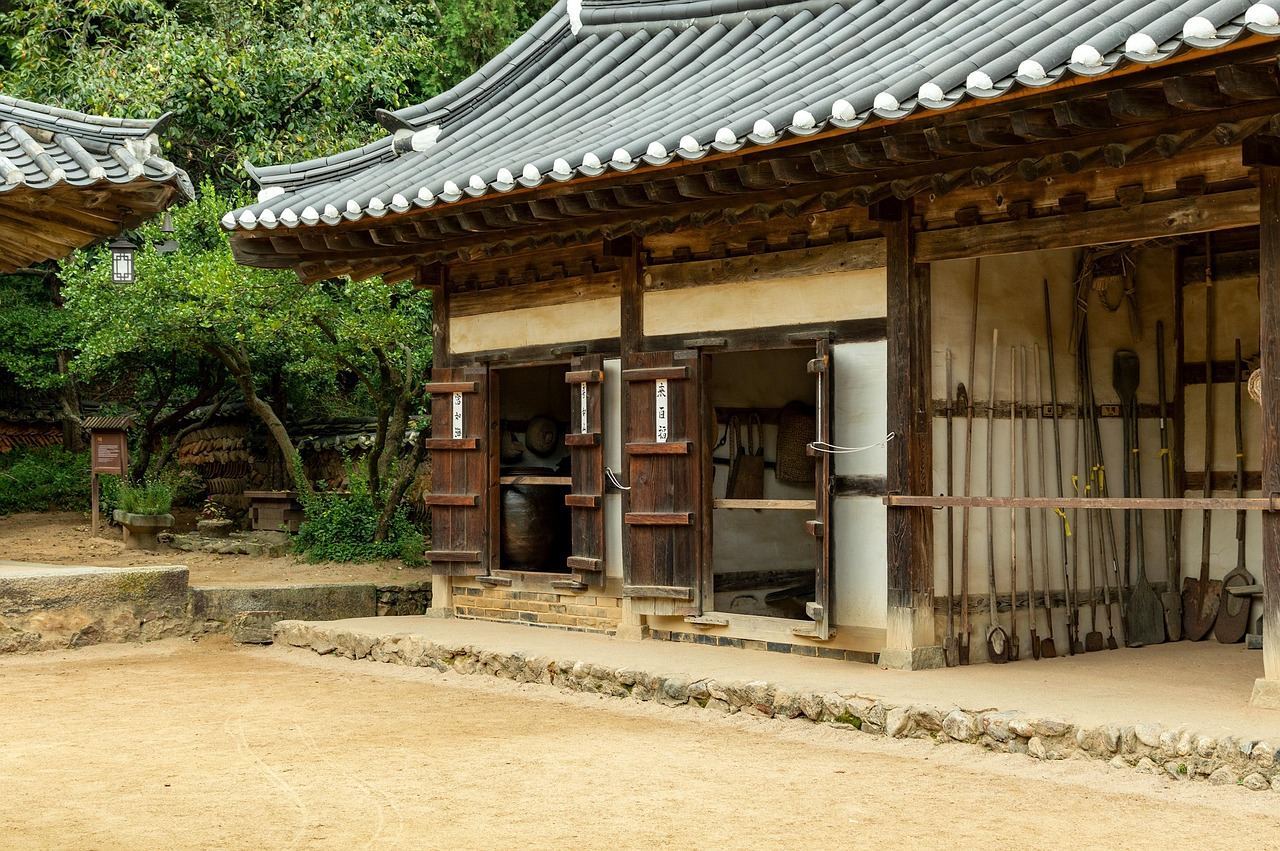
Record Arrivals and Spending Through August 2026
South Korea's tourism sector recorded a substantial increase in international visitors, with 15.05 million foreign arrivals through August 2026, according to data from the Ministry of Culture, Sports and Tourism. This figure represents a 21.6 percent rise compared to the same period last year. August 2026 alone set a new monthly record, drawing 2.25 million overseas travellers.
Foreign tourism spending also reached an all-time high of 14.02 trillion won through August, reflecting a 48.5 percent year-over-year surge in credit card expenditures within the sector.
The Ministry of Culture, Sports and Tourism also noted that this rebound significantly outpaced neighbouring Asian destinations, with Japan and Thailand experiencing slight dips of 2.7 percent and 3.1 percent respectively over the same period.
Visa Policies and K-Culture as Growth Drivers
The Ministry of Culture, Sports and Tourism attributed the strong performance to relaxed visa requirements and the global popularity of Korean culture. Earlier this year, the Ministry of Justice implemented several changes, including easing multiple-entry visa conditions for citizens of 11 Southeast Asian nations.
Additionally, a visa-free entry pilot programme was launched for Indonesian tour groups. Overseas visa processing centres also streamlined document verification for eligible applicants, removing the need for extensive proof-of-finance paperwork. These policy adjustments aim to reduce travel barriers and broaden the visitor base, particularly from key Asian markets.
Diversifying Entry Points and Markets
The growth in arrivals was not confined to major hubs, with nearly 28 percent of foreign visitors entering South Korea through regional airports and sea ports, indicating a broadening travel pattern beyond Seoul.
Specific markets showed significant gains: Taiwan led growth in Greater China with a 32.2 percent increase in visitors, while Indonesia recorded a 22.5 percent rise, supported by an 8.8 percent expansion in direct flight routes.
To further attract younger travellers, the government collaborated with prominent influencers and organised interactive pop-up events across Southeast Asia, including a K-lifestyle showcase in Singapore that welcomed 120,000 visitors over three days.
Sustaining Momentum into Peak Season
Looking ahead, Kang Jung-won, director general of the tourism policy bureau at the Ministry of Culture, Sports and Tourism, stated that the Ministry will closely oversee entry procedures and expand K-culture marketing efforts.
This strategy aims to sustain the current momentum, particularly as October’s Travel Month approaches, which is traditionally a peak season for international arrivals.
The targeted promotions, combined with simplified entry processes, are designed to convert digital interest in K-culture into concrete travel plans, reinforcing South Korea's position in the competitive Asian tourism landscape by attracting a wider range of travellers.
Get The Post.
The global travel stories that matter, three mornings a week. Free.


