Southeast Asia Cruise Market Expands, Singapore Leads Regional Growth
Southeast Asia registered 3.9 million cruise passenger visits and US$10 billion in economic output in 2024, with Singapore alone handling over 2 million passengers in 2025.
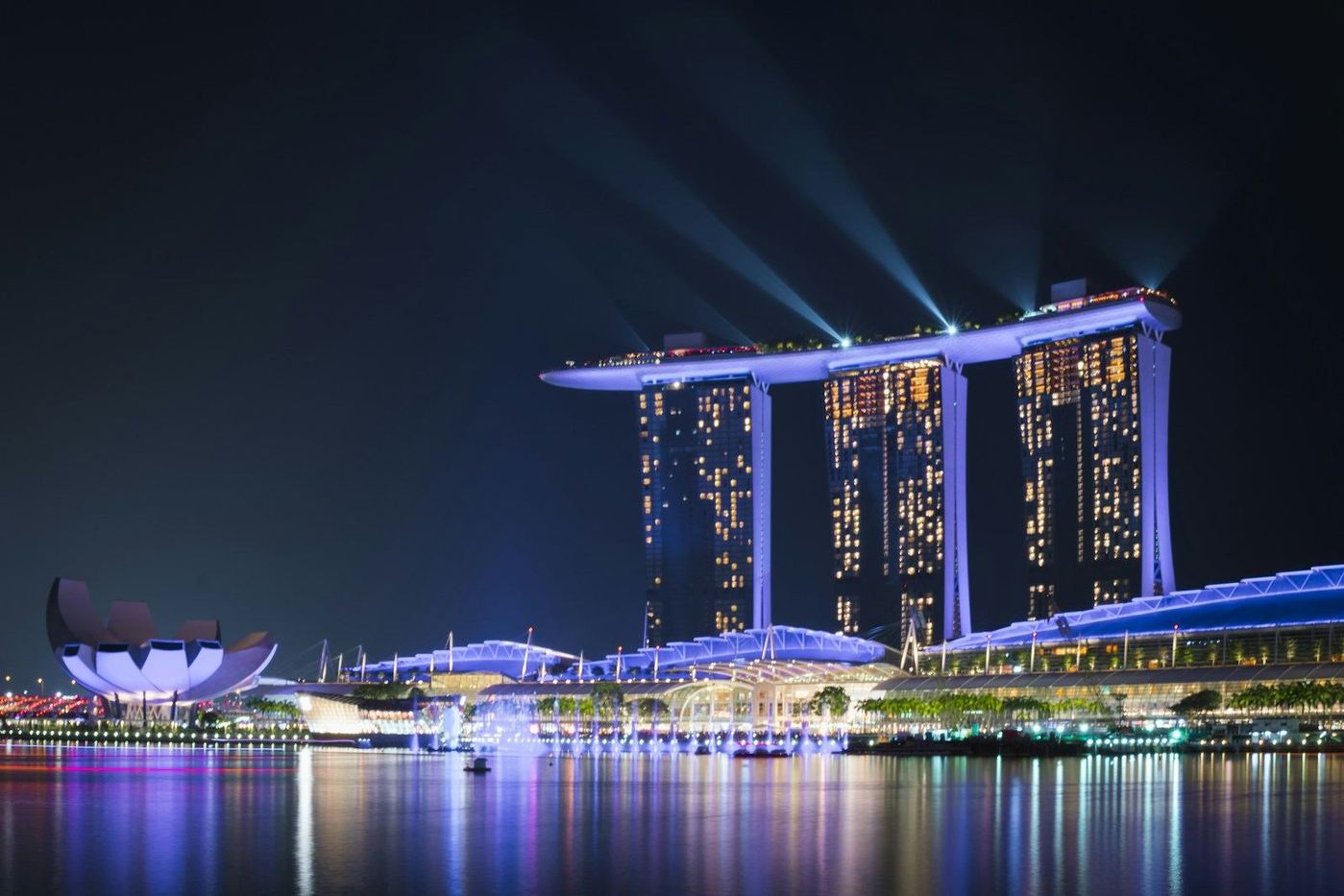
Cruise Sector Sees Significant Growth
Southeast Asia's cruise tourism sector is experiencing substantial expansion, capitalising on the region's geography of numerous islands, extensive coastlines, and close proximity of countries.
This natural alignment facilitates multi-destination travel by sea, allowing travellers to visit several nations within a single voyage without changing accommodation or arranging cross-border transport. In 2024, the region registered approximately 3.9 million cruise passenger visits, generating an estimated US$10 billion in economic output.
This figure represented about 5% of the global cruise industry's total, indicating a growing importance of Southeast Asia in the international cruise landscape.
Singapore Emerges as Key Regional Hub
Singapore is solidifying its position as a central gateway for cruise travel in Southeast Asia. Regional figures show that Singapore and Malaysia collectively accounted for approximately 70% of Southeast Asia’s cruise passenger visits in 2024, with Singapore alone contributing 48%.
The city-state’s prominence continued into 2025, when it recorded 375 ship calls and hosted more than 2 million passengers.
Major cruise lines are committing to the region; Royal Caribbean, for example, will maintain Singapore as the homeport for its Navigator of the Seas vessel until October 2027, offering three- to five-night itineraries to destinations such as Penang and Phuket.
Additionally, Disney Adventure plans to launch four-night sailings from Singapore, including a stop in Langkawi, Malaysia, beginning in December 2026.
Market Broadens Beyond Luxury Offerings
The cruise industry in Southeast Asia is actively diversifying its offerings to appeal to a wider audience, moving beyond the traditional perception of cruises as exclusive, high-end holidays. This shift is evident in the introduction of shorter itineraries and family-oriented experiences.
Asian travellers are increasingly considering cruises for multi-destination trips, according to a YouGov survey commissioned by Royal Caribbean. The survey revealed that 74% of travellers from Asia find multi-destination European cruises highly appealing, with interest peaking at 82% among Indonesian respondents.
Furthermore, 26% of these Asian travellers identified a cruise as their preferred mode of travel between European destinations, surpassing both flights and trains.
Economic Impact and Regional Disparities
The economic benefits of cruise tourism extend beyond ticket sales and onboard spending, creating opportunities for local economies at every port of call. These include increased business for restaurants, transport services, retail outlets, attractions, and other local enterprises.
A cruise also serves as an initial introduction to a destination, potentially encouraging travellers to return for land-based holidays. However, the growth in cruise tourism has not translated into equal benefits across the region.
The concentration of passenger visits in Singapore and Malaysia highlights existing gaps in infrastructure, connectivity, and readiness in other Southeast Asian destinations. For the industry to ensure more equitable economic activity, it must address these disparities and invest in developing port facilities and local tourism support in emerging markets.
Get The Post.
The global travel stories that matter, three mornings a week. Free.


