Southeast Asia Investment Surges, Boosting Travel Infrastructure
Foreign direct investment into Southeast Asia reached a record US$230 billion in 2023, with substantial capital flowing into infrastructure, real estate, and tourism sectors.
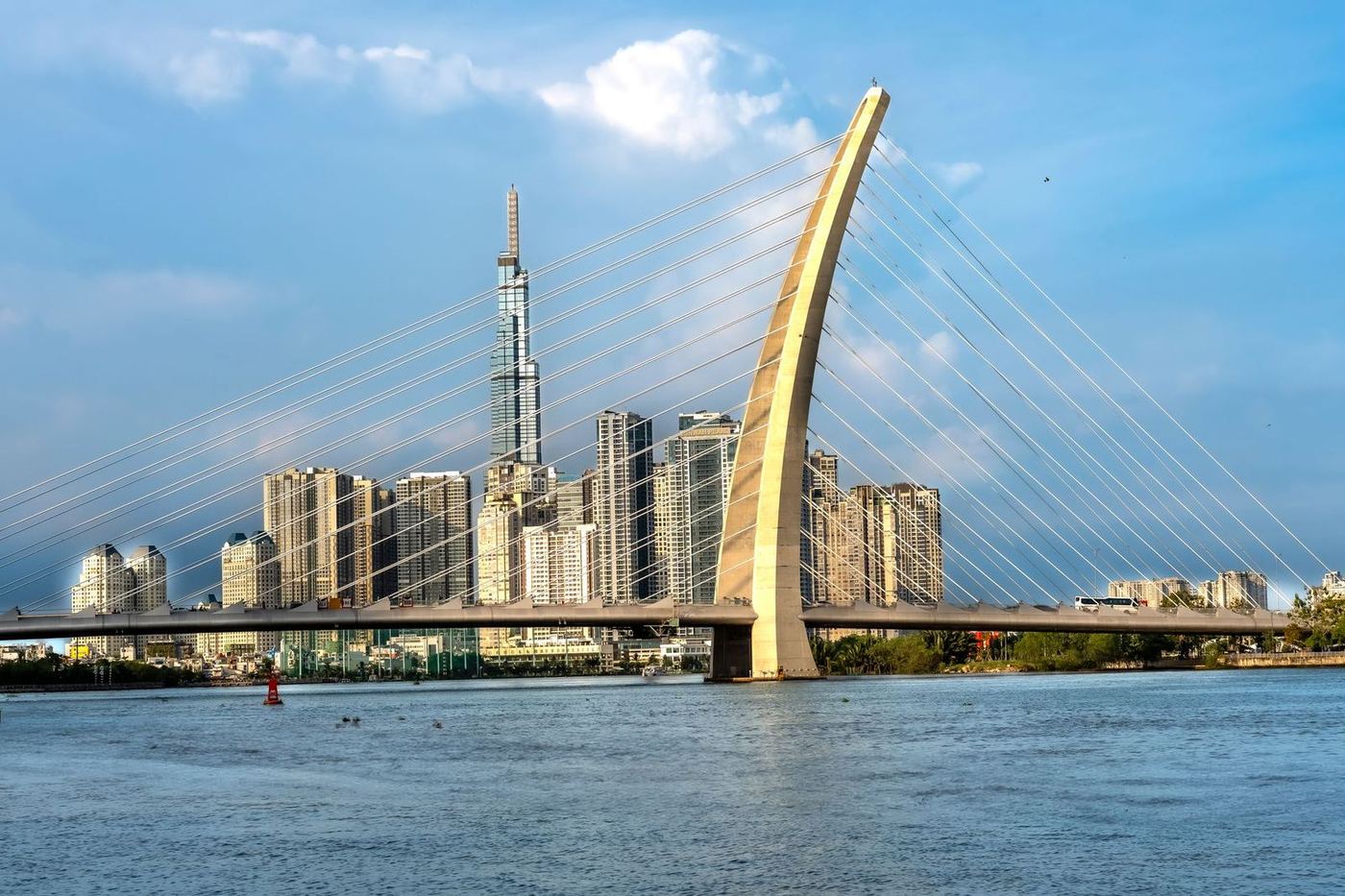
Record Investment Fuels Regional Growth
Southeast Asia continues to attract substantial foreign direct investment (FDI), with inflows reaching an all-time high of US$230 billion in 2023. This figure, reported by the Singapore Economic Development Board (EDB), shows the region's appeal despite global trends. Key sectors attracting this capital include manufacturing, infrastructure, real estate, and tourism.
The EDB also identifies promising prospects for both the infrastructure and tourism sectors in 2025, noting that tourist arrivals across ASEAN countries are gaining momentum in the post-pandemic period.
Yun Liu, an HSBC ASEAN economist, observes that many ASEAN nations have recovered from the global trade cycle downturn of late 2022 and 2023, supporting the manufacturing sector's revitalisation.
Manufacturing Investment Diversifies Supply Chains
The manufacturing sector remains a primary recipient of FDI in Southeast Asia. From 2022 to September 2024, the latest available data, Indonesia attracted approximately US$94 billion in manufacturing investment, according to GlobalData’s FDI database.
China (US$59 billion), Taiwan (US$38 billion), and the United States (US$33 billion) were the largest contributors by investment source during this period.
GlobalData’s FDI team attributes this trend to increasing trade tensions between China and the US, prompting multinational companies to diversify their supply chains beyond a 'China-plus-one' strategy to a 'China-plus-n' approach.
Stephen Bates, partner and head of deal advisory at KPMG in Singapore, notes that the region has seen significant FDI deals from electronics manufacturers for production facilities and from automakers expanding vehicle assembly over the past three years. Economist Yun Liu anticipates this positive momentum in manufacturing to continue into 2025.
Infrastructure Development Targets Green and Digital
Investments in infrastructure are also seeing significant growth, driven by the region's expanding digital economy and commitment to climate change objectives.
Data from private markets specialist Preqin shows 354 deals in ASEAN’s infrastructure space between 2021 and the fourth quarter of 2024, the latest available data as of 2 December, with an aggregate value of about US$46.3 billion.
Renewable energy projects accounted for roughly half of this deal volume, supported by ASEAN countries' climate change goals, as stated by Gerard Minjoot, a research insights analyst at Preqin. The Philippines was the most active country in this sector, securing one-third of the deal volume during this period.
Stephen Bates of KPMG Singapore identifies digital and sustainable infrastructure, such as data centres, 5G networks, and green transportation, as key focus areas, with public-private partnerships playing a crucial role in financing large-scale projects.
Real Estate and Tourism See Inflows
Beyond manufacturing and infrastructure, the real estate sector also attracts considerable FDI. Vietnam led the region, securing approximately US$8 billion in construction and real estate investment from 2022 to September 2024, the latest available data, according to GlobalData’s FDI database.
Japan (US$4 billion), South Korea (US$3.2 billion), and Singapore (US$2.2 billion) were the primary sources of this investment. GlobalData’s FDI team attributes Vietnam’s appeal to factors such as political stability, sustained economic growth, competitive labour costs, and an increasing number of trade agreements.
Henry Lam, associate vice president of research insights at Preqin, observes an increase in global players sourcing and closing real estate deals across ASEAN, particularly in Singapore, further indicating confidence in the region's property markets. Meanwhile, the Singapore EDB confirms that tourist arrivals continue to gain momentum across ASEAN post-pandemic.
Concrete Impact on Regional Travel
The substantial foreign direct investment into Southeast Asia, particularly in infrastructure and digital networks, is set to tangibly reshape the travel experience. Travellers can anticipate improved connectivity across the region, with enhanced digital services and more efficient transportation options emerging over the coming years.
For instance, the significant infrastructure investment in the Philippines, which accounted for one-third of ASEAN deal volume between 2021 and Q4 2024, suggests future upgrades in airport capacity and inter-island transport.
These projects, driven by public-private partnerships, are expected to facilitate smoother journeys and potentially open new routes by 2028, directly benefiting regional tourism and business travel.
Furthermore, the focus on sustainable infrastructure and renewable energy will likely lead to a greater array of eco-friendly travel products and destinations, aligning with growing traveller demand for responsible tourism options.
Get The Post.
The global travel stories that matter, three mornings a week. Free.


