Spain Draws Visitors Off-Peak, Outperforms Mediterranean Rivals
Spain recorded 47% of its tourism activity outside the traditional high season, a figure significantly higher than Italy and Greece, according to a new study presented on 20 October.
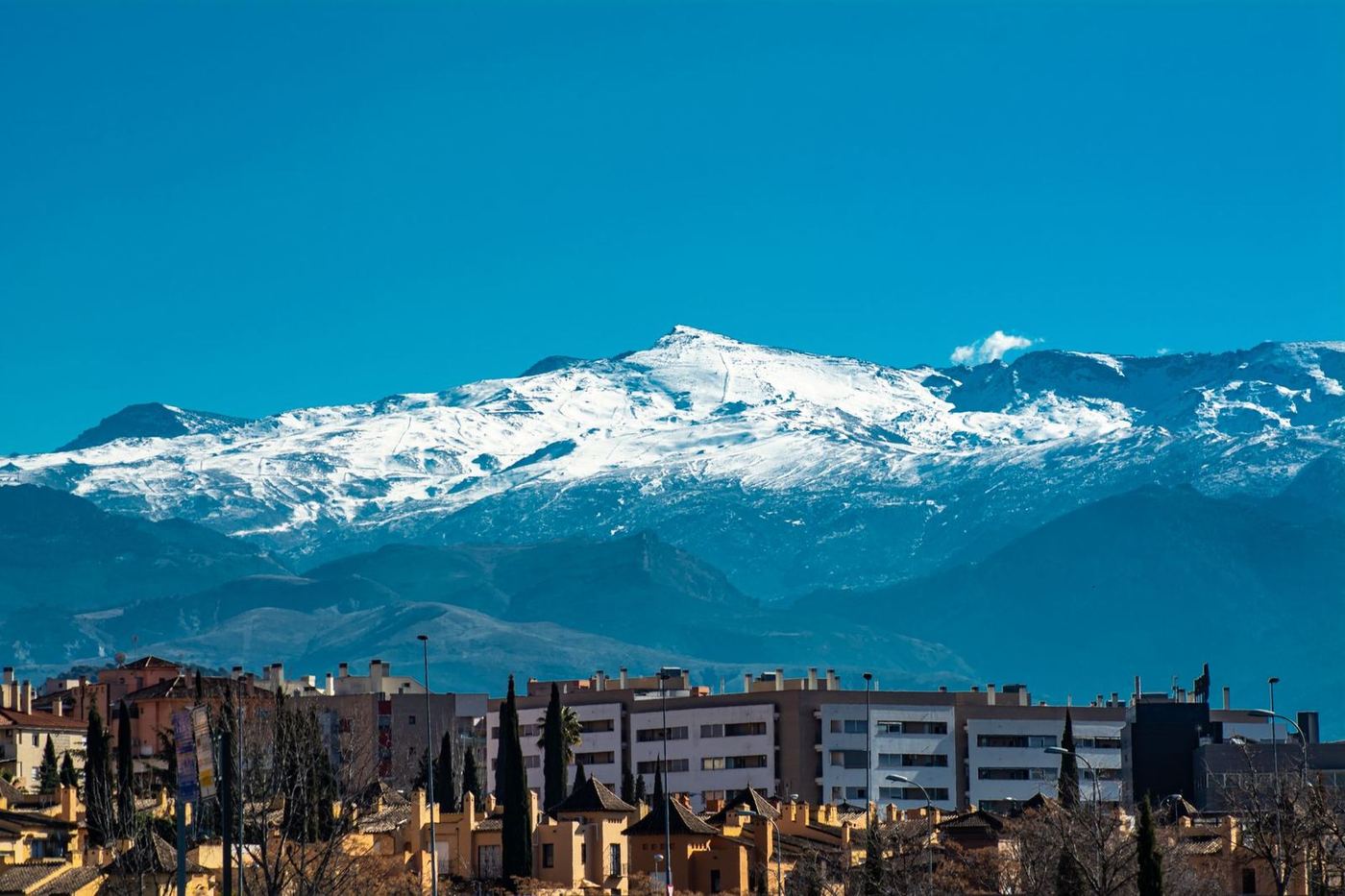
Spain's Off-Peak Tourism Outpaces Competitors
Spain, the world's second most visited country, has successfully diversified its tourism calendar, with nearly half of its visitor activity occurring outside the traditional peak season.
A recent study titled "The International Traveller that Transforms Spain," conducted by tourism intelligence firm The Data Appeal Company, revealed that approximately 47% of Spain's tourism takes place during off-peak months.
This figure notably surpasses its Mediterranean counterparts: Italy sees 58.7% of its tourism between May and September, while Greece records 72.7% during the same busy period. The findings were presented at a tourism convention in Zaragoza, Spain, on 20 October, highlighting Spain's ability to attract travellers year-round.
Diverse Attractions and Emerging Markets Drive Demand
The Data Appeal Company's report identified cultural attractions as the primary draw for visitors during the off-peak season. Family vacations and wellness offerings are also gaining popularity across various Spanish regions, including major cities, inland destinations, the Mediterranean coast, and the Canary Islands.
Demand from emerging markets has shown significant growth over the past three years, with off-peak travel from Argentina increasing by 27.8%, Poland by 18.6%, and Brazil by 13.1%. Furthermore, the study noted that four in 10 travellers visiting Spain during the low season opt for upscale or luxury accommodation.
In Spanish cities, these premium hotels account for 64.8% of international demand during the shoulder and low seasons, while shopping has emerged as a rapidly growing reason for visits. The Canary Islands recorded the longest average stays among the destinations examined, at 6.6 nights, compared with 3.7 nights along the Mediterranean coast.
Record Visitor Numbers and Spending in 2026
These insights arrive amid a robust tourism period for Spain. The country welcomed a record 70.4 million international tourists during the first eight months of 2026, marking a 5.4% increase year-on-year, according to Spain's National Statistics Institute. Foreign visitor spending also saw an 8% rise, reaching €99.8 billion (US$112 billion) during the same period.
Spain had previously set a record with 97 million international tourists in 2025 and anticipates that arrivals will reach 100 million by the close of this year, solidifying its position as a leading global travel destination.
Asian Destinations Could Adapt Strategies
Spain's success in spreading tourism activity throughout the year offers valuable lessons for Asian destinations aiming to reduce seasonality. Countries like Thailand or Vietnam, which experience distinct peak and low travel periods, could explore promoting cultural, wellness, and luxury travel options during their quieter months to attract a broader range of visitors.
The growth in off-peak demand from diverse source markets such as Argentina, Poland, and Brazil also suggests that Asian tourism boards could expand their marketing efforts beyond traditional regions.
For Asian travellers, Spain's off-peak offerings may present an appealing alternative for European cultural or luxury trips, potentially providing a more relaxed experience with fewer crowds and competitive pricing.
Get The Post.
The global travel stories that matter, three mornings a week. Free.


