Swiss International Air Lines Outperforms Lufthansa Group Network Airlines
Swiss International Air Lines reported adjusted earnings of €174 million in the second quarter of 2026, significantly surpassing the collective €137 million generated by the entire Lufthansa Group network airline division, which includes Lufthansa Airlines, Austrian Airlines, and Brussels Airlines. This performance highlights a stark disparity within the German aviation conglomerate, with Lufthansa Airlines recording substantial losses.
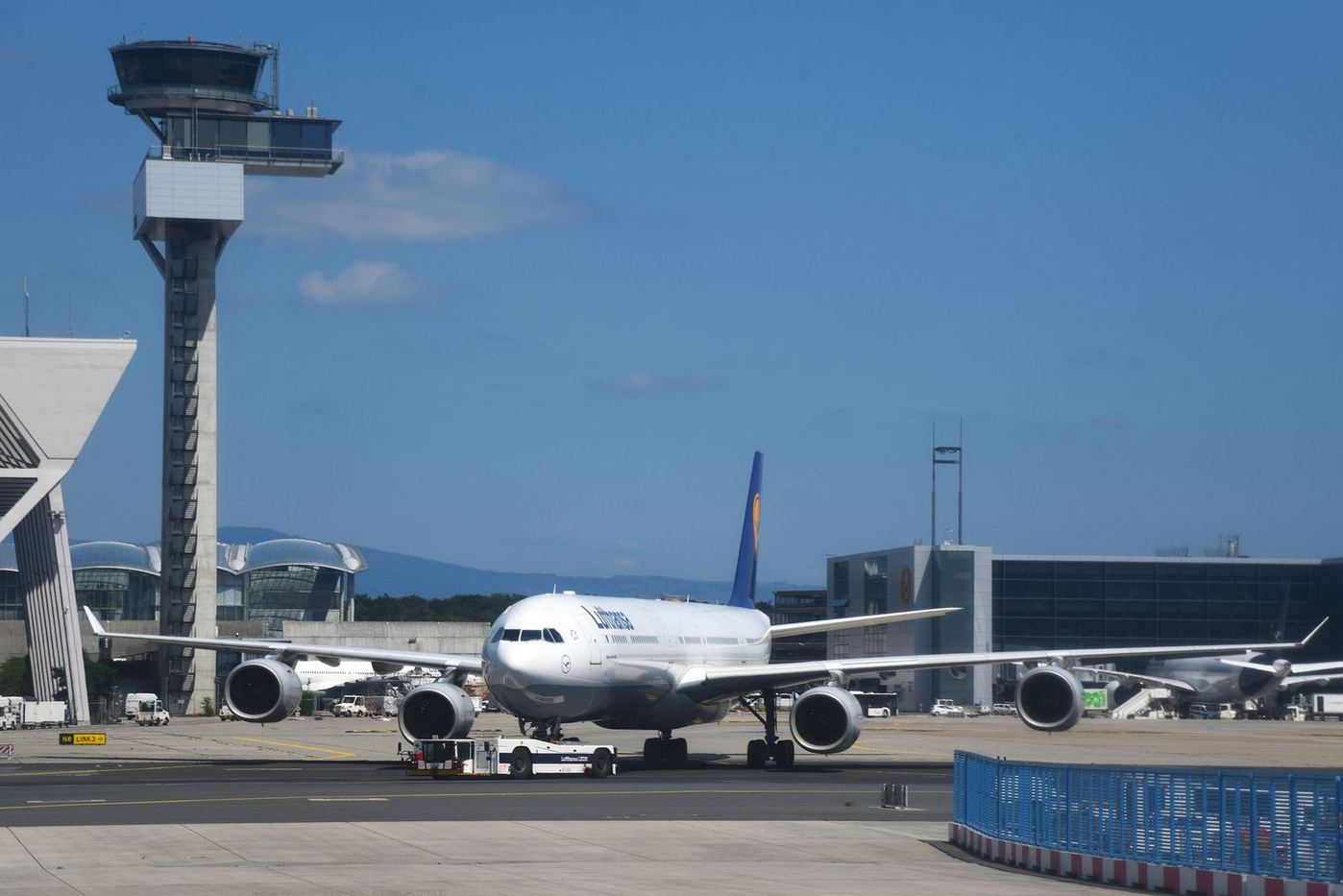
Swiss Leads Lufthansa Group's Network Performance
Zurich-based Swiss International Air Lines delivered adjusted earnings of €174 million during the second quarter of 2026. This figure notably exceeded the total adjusted earnings of €137 million for the entire network airline division of the Lufthansa Group, a segment that comprises Swiss, Lufthansa Airlines, Austrian Airlines, and Brussels Airlines.
Among these brands, only Austrian Airlines also reported a profit for the quarter, though its contribution was insufficient to offset the financial setbacks at Lufthansa Airlines and Brussels Airlines.
This financial breakdown, reported by the Lufthansa Group, demonstrates Swiss's critical role in sustaining the profitability of the group's passenger airline operations against a backdrop of broader losses within the division.
First Half of 2026 Reveals Wider Disparity
The financial concentration around Swiss becomes even more apparent when examining the first half of 2026. Between January and June, Swiss earned €213 million, while the Lufthansa Group as a whole registered a loss of €229 million. This group-level deficit was largely driven by a significant €480 million loss at Lufthansa Airlines during the same period.
Historically, the maintenance and cargo divisions within the Lufthansa Group have helped mitigate losses from the passenger airline sector. However, the scale of losses from Lufthansa Airlines in the first half of this year shows a substantial drag on overall group finances, despite an 8% increase in group revenue.
Rising Fuel Costs Impact Profitability
A primary factor contributing to the financial challenges across the Lufthansa Group's network airlines, particularly Lufthansa Airlines, has been the escalating cost of fuel. While the group saw an 8% rise in overall revenue, the increased fuel bills absorbed a significant portion of these gains, directly affecting the bottom line.
The strong performance of Swiss in Zurich, however, suggests an operational model that is more resilient to such external pressures, or benefits from distinct structural advantages that insulate it from intense low-cost carrier competition.
This contrast sets a benchmark for the group as it evaluates the operational efficiency and profitability of its other carriers and future expansion sites.
Strategic Focus on Hub Performance
The Lufthansa Group is currently preparing to expand its footprint in Rome and potentially Lisbon. The group's strategic challenge, as identified by industry observers, is not the identification of new hub locations but rather making these new operations perform with the financial efficiency seen at Swiss in Zurich.
Achieving a consistent level of profitability across its network airlines will require the group to address the underlying structural issues and cost controls that have led to the substantial losses at Lufthansa Airlines.
The successful model of Swiss provides a clear operational and financial benchmark for these future developments, driving a need for harmonised performance standards across the entire portfolio.
Implications for Lufthansa Group's Future
For travellers, the Lufthansa Group's efforts to enhance profitability across its network may lead to adjustments in route offerings, pricing strategies, or service models as it seeks to optimise operations in new and existing hubs. Industry professionals will observe how the group applies lessons from Swiss's success to its expansion in markets like Rome and Lisbon.
The group's ability to replicate the Zurich model will determine its financial trajectory in the coming years. Failure to address the persistent losses at its mainline carrier could necessitate further restructuring or strategic realignments, impacting market competition and the broader European aviation landscape. The next financial reports will reveal the effectiveness of current strategies.
Get The Post.
The global travel stories that matter, three mornings a week. Free.