Condé Nast Traveler: Tokyo's Best Luxury Hotels & Ryokans
Condé Nast Traveler editors have compiled a list of 39 leading hotels in Tokyo, spanning traditional ryokans to modern high-rise properties. This selection, published on August 28, 2026, considers factors such as price, location, room size, and amenities, offering guidance for travellers navigating the city's extensive accommodation market.
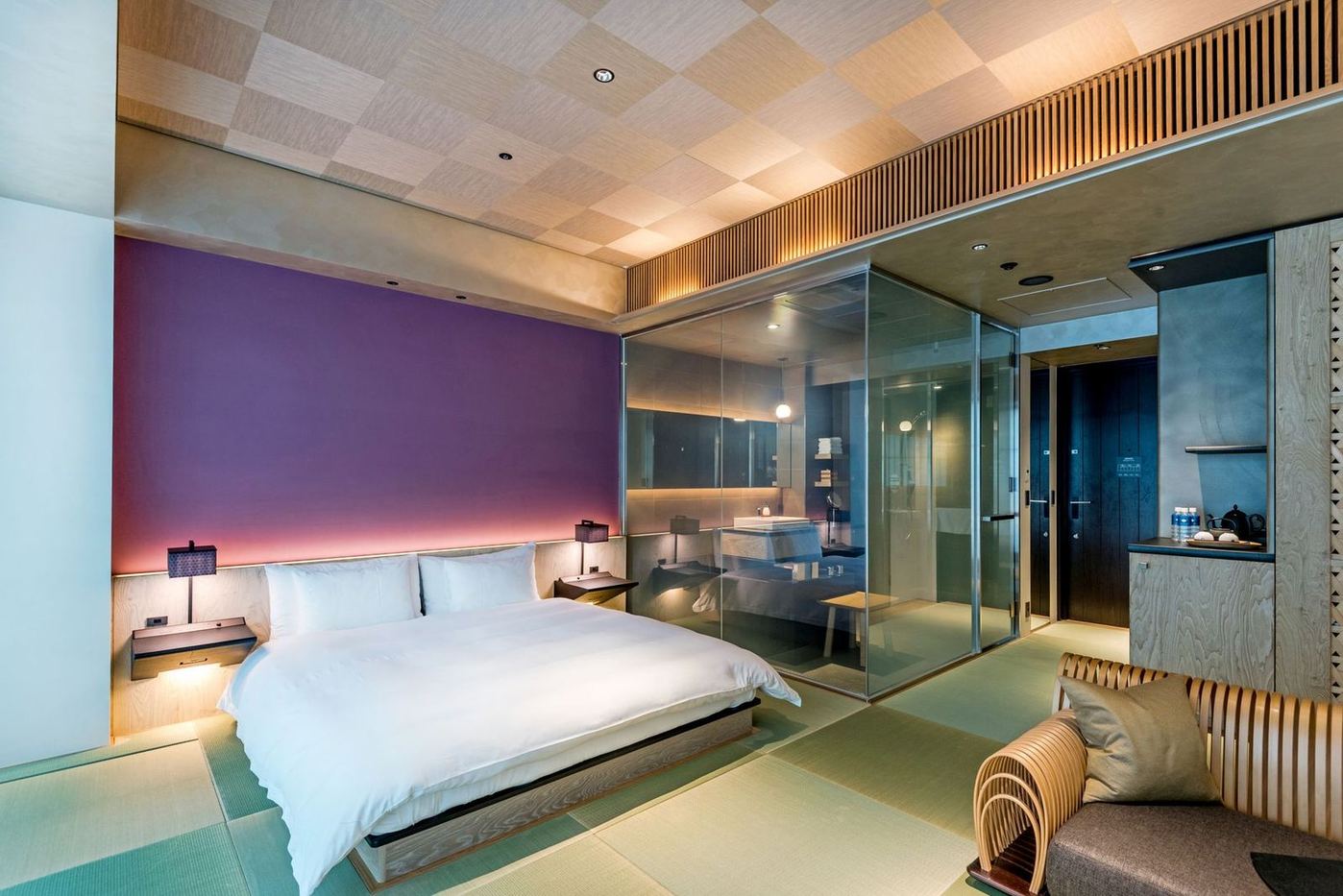
Tokyo's Diverse Accommodation Landscape
Tokyo, a prominent global metropolis, presents a wide array of accommodation choices, ranging from historic ryokans to contemporary high-rise hotels. Condé Nast Traveler editors identified 39 of the city's best hotels, acknowledging the complexity of selection due to the sheer volume of options and Tokyo's relatively high accommodation costs.
The publication's choices, released on August 28, 2026, aim to assist travellers in identifying suitable properties, whether they seek luxury five-star lodging for special occasions or more affordable options for solo trips.
The editorial team considered various criteria, including pricing, geographical placement, room dimensions, and available facilities, to curate their recommendations. Tokyo's hotel sector continues to expand, with new establishments frequently opening, reflecting Japan's sustained appeal as a travel destination.
Editor Picks for Varied Traveller Needs
The Condé Nast Traveler selection covers a broad spectrum of hotel types available across the Japanese capital, categorising specific properties for diverse traveller requirements. For families, Mimaru Tokyo Asakusa Station was noted as a preferred choice.
The Peninsula Tokyo received recognition for romantic stays, while Hamacho Hotel Tokyo was singled out for its value proposition. Those seeking impressive city vistas were directed towards the Four Seasons Hotel Tokyo at Otemachi.
These recommendations demonstrate the diversity within Tokyo's hotel market, catering to different budgets and travel purposes, encompassing traditional Japanese inns and contemporary luxury towers. The selection also acknowledges the presence of established hotel brands with multiple sites in Tokyo, alongside newer constructions entering the market.
Showcasing Unique Design-Led Properties
Condé Nast Traveler editors detailed several distinct properties, showcasing Tokyo's architectural and interior design trends. Soil Nihonbashi, a nine-story structure designed by Kiyoaki Takeda, features corrugated, rust-coloured balconies adorned with greenery, creating a unique scalloped profile.
The hotel, which opened without a traditional lobby, incorporates Pizza Tane, a 20-seat pizzeria, with check-in services located beside it. With only 14 rooms, two per floor at most, Soil Nihonbashi provides an intimate lodging environment. Each room includes floor-to-ceiling windows, custom-dyed paper lamps, and plants, some sourced from local residents.
Guests also have access to a small rooftop herb garden and a complimentary co-working space above Parklet, demonstrating an emphasis on local integration and unconventional hotel layouts.
Luxury and Intimate City Stays
The Hyatt House Tokyo Shibuya, reimagined by André Fu, offers a boutique-scale Hyatt property in a central Tokyo location. Originally opened in 2002 with 57 rooms on the lower floors of the Pacific Century Place office tower, its design navigated architectural constraints such as large columns.
Following a year-long renovation, Fu's design incorporated these structural elements as inspiration, creating an Art Deco aesthetic filtered through a contemporary Japanese lens, with natural oak and grey marble complementing washi panelling.
The Four Seasons Hotel Tokyo at Marunouchi provides an intimate luxury setting with just 57 guest rooms, contrasting with the typical grand entrances of five-star establishments. Its interiors focus on a lounge-like atmosphere, utilising upholstered chairs, plush sofas, thick area rugs, and wooden floors to foster a relaxed environment.
This property prioritises a calm retreat over mirroring Tokyo's energetic pace, maintaining the brand's service standards within a more understated design framework.
Implications for Travellers and Industry
This detailed guide from Condé Nast Traveler editors provides a practical resource for individuals planning visits to Tokyo. Travellers can use these recommendations, updated as of August 28, 2026, to inform their accommodation choices, aligning their preferences with specific hotel types, budgets, and desired amenities.
For the hospitality industry, the continued expansion of Tokyo's hotel sector, as noted by the volume of new constructions, shows sustained confidence in Japan's tourism market. Hotel operators and developers may observe these editorial selections to understand prevailing preferences and design trends that appeal to a global audience.
The emphasis on both traditional ryokans and modern high-rises demonstrates the enduring appeal of diverse lodging options within the Japanese capital, suggesting that future developments will likely continue to cater to this broad spectrum of tastes.
Get The Post.
The global travel stories that matter, three mornings a week. Free.